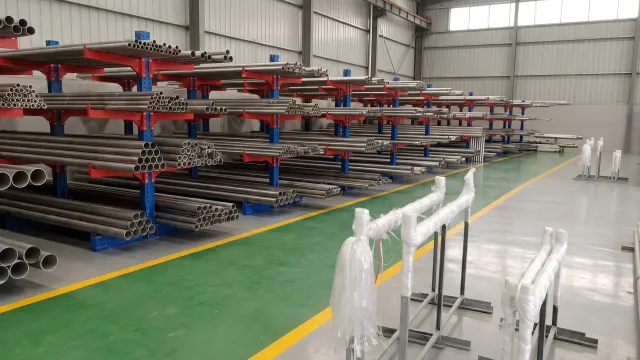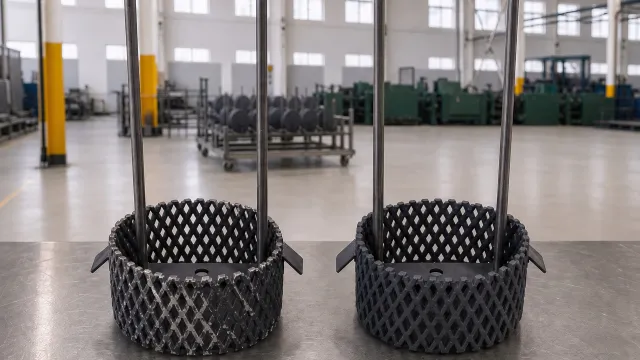
Band Saw Cutting Services
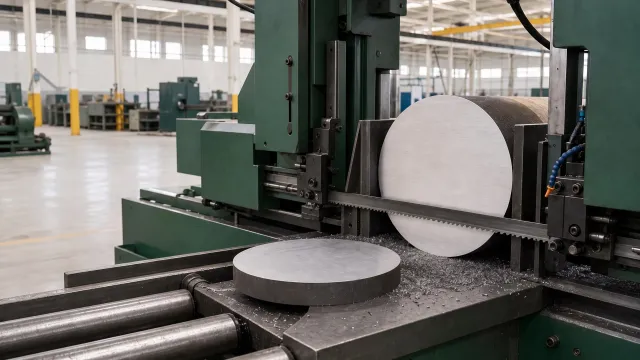
Band Saw Cutting Services for Titanium Alloys Band Saw Cutting is a highly efficient and precise method used for cutting titanium and titanium alloys. It is particularly useful for cutting titanium bars, tubes, sheets, and plates to specific lengths or shapes. This process is known for its ability to produce smooth, clean cuts with minimal material waste, which is crucial when working with valuable materials like titanium. At Titanium Seller, we offer expert Band Saw Cutting Services to meet the requirements of industries such as aerospace, automotive, medical, and more. Whether you need large batches or custom sizes, we can provide the precision and quality that your titanium components require. What is Band Saw Cutting? Band saw cutting involves a continuous band of toothed metal that moves around two or more wheels, using a sawing motion to cut through materials. The process is known for its ability to handle a wide range of material thicknesses and is ideal for cutting metals like titanium, which require specialized equipment due to their hardness and resistance to wear. The band saw cutting machine operates by guiding the titanium through the blade, producing a consistent, high-quality cut. It is especially effective for making straight cuts or specific profiles with high precision. Band saw cutting is often used when precision is essential, and when the material’s integrity must be preserved. Band Saw Cutting Services We Offer At Titanium Seller, we provide customized band saw cutting services for titanium and other materials. We work with a wide range of titanium alloys, including Grade 2 (CP Titanium), Grade 5 (Ti-6Al-4V), and others, and our cutting services are tailored to meet your specific needs. Our Band Saw Cutting Services Include:Precision Cutting: We offer precise cuts to your specified lengths and shapes, ensuring tight tolerances and a smooth cut face; edge condition (as-cut, deburred or machined) specified per order. Custom Sizes: Whether you need standard or custom-sized titanium parts, our band saw cutting services can accommodate a wide range of dimensions. High-Volume Cutting: We are equipped to handle both small and large orders, offering flexibility to meet your production schedules. Titanium Alloys Cutting: We specialize in cutting a variety of titanium grades and alloys to meet specific application requirements. Quick Turnaround Times: Our efficient band saw cutting process allows us to deliver your parts quickly without compromising on quality.Why Choose Band Saw Cutting for Titanium?Versatility: Band saw cutting is ideal for cutting titanium into different shapes, including bars, tubes, plates, and sheets. It allows for both straight and intricate cuts. Clean Cuts: The continuous band saw blade ensures smooth cuts with minimal rough edges, reducing the need for additional finishing or deburring. Cost-Effective: Band saw cutting minimizes material waste, making it an economical choice for high-value materials like titanium. Fast and Efficient: The process is efficient, allowing for fast cutting speeds and quick turnaround times, especially for large quantities of parts.Applications of Band Saw Cutting Our band saw cutting services are widely used in industries where high precision and performance are essential. Some of the common applications include:Aerospace: Cutting titanium bars, plates, and sheets into precise sizes for turbine blades, airframes, and other critical components. Medical: Cutting titanium rods, bars, and sheets used for implants, surgical instruments, and prosthetics. Automotive: Cutting titanium parts for high-performance vehicles, such as exhaust systems and engine components. Marine: Titanium’s corrosion resistance makes it perfect for marine applications, and band saw cutting ensures the parts are sized correctly for use in marine environments. Industrial Equipment: Cutting titanium for valves, pumps, and other machinery components that need high strength and durability.Advantages of Band Saw CuttingAccuracy: Achieve high precision and tight tolerances with minimal deviation. Smooth Finish: Band saw cutting produces a clean, smooth edge, which is often ready for further processing. Minimal Waste: This cutting method minimizes material loss, ensuring that you get the most out of your titanium materials. Versatile: Suitable for a wide range of material thicknesses and sizes, making it adaptable to your specific requirements. Cost-Effective: With its efficient material usage and quick cutting times, band saw cutting is an economical choice.Why Choose Titanium Seller for Band Saw Cutting? At Titanium Seller, we offer high-quality band saw cutting services that are tailored to meet your exact needs. Here’s why you should choose us:Experienced Technicians: Our team of experts is highly skilled in cutting titanium and other alloys, ensuring precise and reliable results. State-of-the-Art Equipment: We use advanced band saw cutting machines that allow for high-precision cuts with minimal waste. Custom Solutions: We can handle both small and large orders, providing custom cutting sizes and dimensions as per your specifications. Quick Turnaround: We provide fast processing and efficient service, ensuring that you receive your parts on time. Competitive Pricing: Our band saw cutting services are designed to provide you with high-quality parts at a competitive price.Industries We Serve Our band saw cutting services are suitable for various industries that require high-quality titanium components:Aerospace: Aircraft parts, turbine components, and airframe structures. Medical: Implants, surgical instruments, and prosthetics. Automotive: Exhaust systems, engine components, and high-performance parts. Marine: Boat fittings, hull components, and saltwater-resistant parts. Industrial: Valves, pumps, and other high-performance equipment.Conclusion Band saw cutting is an essential service for producing high-precision titanium parts with minimal material waste and smooth finishes. Whether you need titanium bars, plates, or custom shapes, Titanium Seller offers the expertise, equipment, and flexibility to meet your needs. For more information or to discuss your cutting requirements, Contact Us or Request a Quote today!
Read More about Band Saw Cutting Services
Fabrication
Titanium Fabrication Services At Titanium Seller, we offer high-quality titanium fabrication services tailored to meet the specific needs of your projects. Whether you're in aerospace, automotive, medical, or industrial applications, our expertise in working with titanium ensures that your components are fabricated to the highest standards of quality and precision. From custom machining and welding to bending and forming, our fabrication services cover a broad spectrum of capabilities. We work closely with our clients to deliver the exact specifications they require, ensuring the final product performs reliably under demanding conditions.Our Titanium Fabrication Capabilities 1. Custom Machining We specialize in precision machining of titanium alloys, including turning, milling, drilling, and grinding. Whether you need titanium parts for a small prototype or large-scale production, we provide highly accurate and repeatable results. Our skilled technicians use state-of-the-art machinery to achieve tight tolerances and superior finishes. 2. Titanium Welding Our titanium welding services include TIG welding (Tungsten Inert Gas) and MIG welding (Metal Inert Gas). These methods allow us to join titanium components with precision and strength. We follow strict industry standards to ensure that all welds are free from contamination and provide the highest level of structural integrity. 3. Titanium Forming and Bending Whether you require titanium tubes, plates, or strips to be bent, rolled, or formed into specific shapes, we have the capabilities to handle all types of titanium forming. Our advanced forming techniques ensure that titanium maintains its strength, integrity, and properties throughout the process. 4. Cutting and Shaping We offer custom cutting services for titanium materials, including laser cutting, waterjet cutting, and plasma cutting. Our precision cutting methods allow us to shape titanium components into any size or configuration required, with minimal waste and maximum accuracy. 5. Surface Treatment and Coating We provide surface treatment and coating services to enhance the durability, corrosion resistance, and appearance of titanium parts. Services include anodizing, chemical film coatings, and paint applications, which are especially useful for improving the performance of titanium components in harsh environments.Why Choose Our Titanium Fabrication Services? Precision and Quality We use the latest technology and high-precision equipment to ensure that every fabricated titanium part meets your exact specifications. Our fabrication processes are designed to produce durable and high-quality products, whether you need a single prototype or a large production run. Experience and Expertise With years of experience working with titanium alloys, we understand the unique challenges titanium presents in fabrication — reactivity at temperature, springback, and the need for full inert-gas protection during welding. Scope, applicable standards and inspection requirements are agreed per project before release. Custom Solutions We offer custom fabrication solutions tailored to your unique needs. Whether you need specific dimensions, tolerances, or specialized finishes, we can accommodate all requests and provide the best solution for your project. Fast Turnaround Times We understand the importance of timely delivery. Our efficient fabrication processes ensure that we meet deadlines and provide you with the highest quality products on time. Our team works closely with clients to plan and manage projects for timely delivery.Related Services In addition to our fabrication services, we offer a wide range of complementary services to ensure your project is a success: Material Supply We provide a variety of titanium alloys and grades, including Grade 2 (CP Titanium), Grade 5 (Ti-6Al-4V), and custom alloys. We ensure that you receive the right material for your specific application. Cut-to-Length We offer a cut-to-length service for titanium materials, providing you with titanium sheets, plates, or strips in the exact length required for your project. Assembly Services We also provide assembly services, ensuring that your fabricated components are assembled into the final product, ready for installation or use. Prototyping We offer rapid prototyping for titanium components. Whether you need a prototype to test a design or develop a new product, we can provide you with the exact specifications and high-quality materials to bring your project to life.Industries We Serve Our titanium fabrication services are utilized across a variety of industries, including:Aerospace: Custom components, structural parts, and fasteners. Medical: Implants, surgical instruments, and prosthetics. Automotive: High-performance parts and exhaust systems. Industrial: Custom machinery components, valves, and fittings. Marine: Corrosion-resistant components for maritime applications.Conclusion At Titanium Seller, we offer top-tier titanium fabrication services that meet the highest standards of quality, precision, and performance. Whether you need custom machining, titanium welding, bending, or forming, our team is dedicated to delivering results that exceed your expectations. For more information on our fabrication services or to get started on your next project, please Contact Us or Request a Quote today!
Read More about Fabrication
Titanium Cutting & Cut-to-Length
Titanium Cutting & Cut-to-Length Most titanium orders need cutting before anything else happens. The question is rarely "can you cut it" — it is which route suits your material form, thickness and edge requirement, because the wrong one costs you either money or a usable edge. This page is the selection guide. Each route has its own page with the detail.Choosing the Cutting RouteYour material Route Why Edge you getBar, billet, tube, thick section Band saw cutting Production cut-offs at length, machining allowance retained Saw face, squared and deburred on requestFoil, sheet, light-to-medium plate, complex flat profiles Laser cutting Narrow kerf, small heat-affected zone, fast on repeat batches Argon-shielded bright edgeThick plate, heat-sensitive parts, stacked cutting Water jet cutting Cold cut, no heat-affected zone at all Cold-cut edge, slight taper on thick sectionsRules of thumb:Thickness decides between laser and water jet. Laser is the right tool for foil through light and medium sheet. Once the section gets thick — or a heat-affected zone is unacceptable for the application — water jet is the better route even though it is slower. Bar and billet go to the saw. Profile-cutting round stock is the wrong tool at the wrong price. Titanium laser cutting uses high-purity argon only. Nitrogen assist forms a brittle titanium nitride layer at the cut edge and oxygen forms an oxide layer; both crack in subsequent forming or welding, and nitride is harder to remove afterwards than oxide. If a supplier offers nitrogen-cut titanium, ask what happens to the edge.What "Cut to Length" Actually Commits To Three things belong in the order confirmation rather than in a general promise:Length tolerance. Saw cutting to length holds tighter tolerances than profile cutting. The figure for your order is confirmed at quotation instead of quoted as one site-wide number. Cutting allowance. Kerf plus any machining allowance you need on the cut face. If the piece goes on to be faced or welded, say so — the allowance changes. Edge condition. As-cut, deburred, or machined. Cut edges are not automatically ready for the next operation, and for load-bearing or weld-preparation faces the removal depth should be agreed rather than assumed.Material Forms We Cut to Length Sheet, plate and strip; bar, rod and billet; tube and pipe; foil. The form determines the route, not the other way round — send the form and we will tell you which of the three applies. For grades, see titanium grades; for the products themselves, see titanium products.Ordering Cut Material Send the material form and grade, the finished lengths and quantities, the length tolerance you need, and what happens to the piece next. That last item is what determines the route and the edge specification — a blank going straight to welding has different requirements from one going to a machining centre. If a drawing exists, send it. If the cutting route we would choose is not the one you expected, we will say why before quoting. Send your cutting list →
Read More about Titanium Cutting & Cut-to-Length
Heat Treatment & Delivery Condition
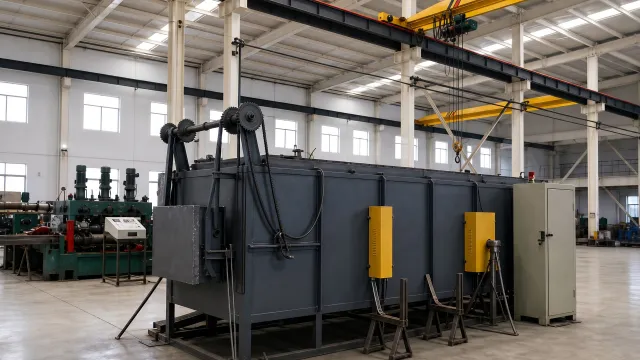
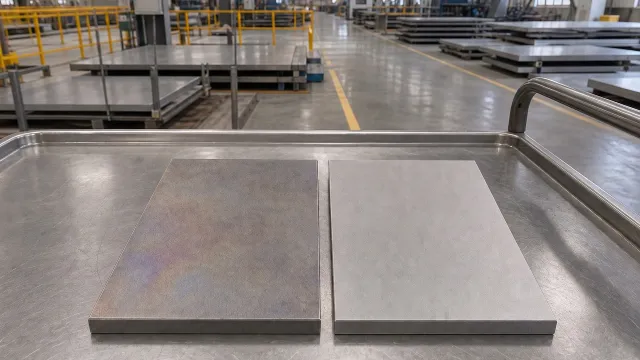
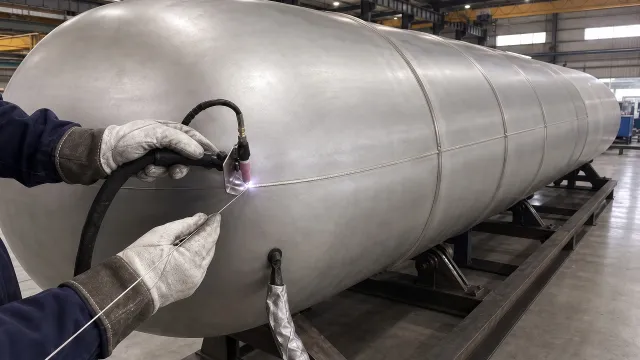
Heat Treatment & Delivery Condition Two pieces of Grade 5 with identical chemistry can differ by 15–20% in strength, and considerably more in fracture toughness, purely because of how they were heat treated. Delivery condition is not a footnote on the order — it is part of the material specification, and a purchase order that omits it is incomplete. This page explains the conditions you will be asked to choose between.The ConditionsCondition What it does Typically specified forMill annealed Standard supply condition. Balanced strength and ductility, good formability General fabrication, chemical process equipment, most stock materialSolution treated & aged (STA) Solution treat then age to precipitate strengthening phase. Highest strength in alpha-beta alloys Ti-6Al-4V structural and aerospace parts where strength governsBeta annealed Anneal above the beta transus. Higher fracture toughness and better crack growth resistance, lower ductility Damage-tolerant aerospace applicationsStress relieved Sub-critical hold to relax residual stress without changing microstructure After machining, welding or forming, to prevent distortion in serviceRecrystallisation annealed Coarser recrystallised structure Where toughness and creep behaviour matter more than tensile strengthCommercially pure grades (1, 2, 3, 4) are supplied annealed and are not heat-treatable for strength; changing their properties is a matter of cold work and annealing, not solution treatment.What Delivery Condition ChangesMechanical properties. The values on your certificate are the values of that condition. A Ti-6Al-4V minimum tensile figure quoted without a condition means nothing. Machinability. STA material is harder and more abrasive to cut than annealed. If you machine to finished part, the condition affects your cycle time and tool cost, not just the datasheet. Formability. Bending and forming are done in the annealed condition. Trying to form STA material is a good way to crack it. Weldability and post-weld behaviour. Welding disturbs the condition locally; whether post-weld heat treatment is required depends on the alloy, the design code and the service duty.If the part is machined heavily or welded, the sequence matters: heat treatment before or after machining changes both distortion and final properties. Tell us the route and we will flag the conflict if there is one.Atmosphere and Surface Titanium absorbs oxygen and nitrogen at temperature. Two consequences follow:Air or non-protective atmosphere treatment produces alpha case — a brittle oxygen-enriched surface layer — which must then be removed by pickling and verified by metallographic section. Budget for the removal and the material it takes with it. Vacuum or inert atmosphere treatment avoids it, which is why it is specified for finish-machined parts and thin sections where removing a surface layer is not acceptable.Choosing the furnace type is therefore not purely a cost question — it decides whether the part needs a downstream chemical operation.Process Control and Records For anything above general industrial duty, the following are agreed before the order runs rather than requested afterwards:Furnace temperature uniformity for the working zone, with a valid survey and instrument calibration records Load configuration — where the parts sit, thermocouple placement, and how the load affects heating rate Quench delay for solution treatment, which directly affects whether the properties are achieved Property verification on representative material, not on a different section sizeAerospace work adds pyrometry scheme requirements on top of this. Applicable approvals are confirmed per order against the facility that actually runs the furnace — certificate number, scope, address and validity date — because such approvals are issued to a named site and do not transfer.What to Specify Grade, product form and section size; the delivery condition or the target mechanical properties; the applicable material standard; whether the surface may be pickled afterwards or must be treated in vacuum; and where heat treatment sits in your machining and welding sequence. If you know the properties you need but not the condition that delivers them, describe the duty and we will propose the route. Discuss your heat treatment requirement →
Read More about Heat Treatment & Delivery Condition
Titanium Laser Cutting
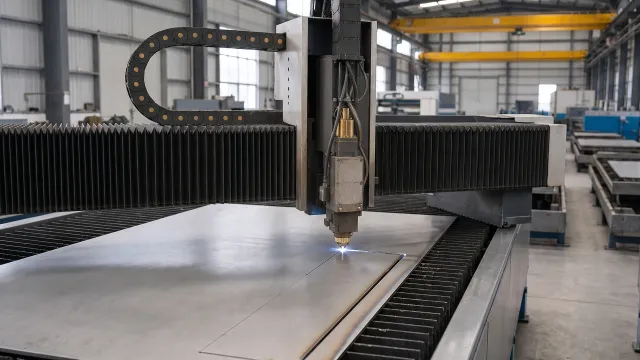
Laser Cutting Services for Titanium At Titanium Seller, we offer high-precision Laser Cutting services tailored to meet the specific requirements of your titanium projects. With advanced laser technology, we ensure that your titanium components are cut with unparalleled accuracy and efficiency, making it ideal for a wide variety of industries. What is Laser Cutting? Laser cutting is a process that uses a high-powered laser to cut materials with extreme precision. The laser beam melts, burns, or vaporizes the material, creating a clean and accurate cut. This process is particularly well-suited for cutting titanium due to its high strength and hardness. Laser cutting provides a highly efficient way to produce complex shapes and intricate designs with minimal waste. Benefits of Laser Cutting TitaniumHigh Precision: Laser cutting delivers extremely accurate cuts, even for complex and intricate designs. This precision reduces the need for additional finishing processes, saving time and costs. Clean Edges: Laser cutting produces smooth, clean edges with minimal burrs, which is essential when working with titanium’s unique properties. Versatility: Suitable for a variety of titanium grades and thicknesses, laser cutting can handle both simple and complex geometries, making it ideal for custom titanium parts. Speed and Efficiency: Laser cutting is a fast process, ensuring quick turnaround times without compromising on quality, helping you meet tight deadlines. Minimal Material Distortion: Unlike mechanical cutting methods, laser cutting generates less heat, which helps maintain the structural integrity of the titanium material, minimizing distortion. Reduced Waste: The precision of laser cutting ensures minimal material waste, making it an efficient option for both cost-saving and sustainability.Our Laser Cutting ProcessDesign and CAD Files: The process begins with receiving the CAD files of your design. Our team works closely with you to ensure that the design meets the required specifications. Setup and Alignment: The material is securely positioned on the laser cutting machine. The machine is calibrated to ensure that the laser’s focus and power are optimized for the thickness and type of titanium being cut. Laser Cutting: The high-powered laser is used to cut through the titanium material. The machine's precision ensures clean, accurate cuts, even for complex shapes and intricate designs. Inspection: After cutting, the titanium parts are inspected for quality to ensure that they meet the specifications and are free from any defects. Delivery: Once the cutting process is complete and quality checks are passed, your titanium components are carefully packaged and delivered according to your timeline.Applications of Laser Cutting for Titanium Laser cutting is ideal for a wide range of industries and applications due to its versatility and precision. Some common uses include:Aerospace: Precision components, structural parts, and aerospace fittings require high-accuracy cuts, making laser cutting the perfect method for aerospace manufacturers. Medical Devices: Surgical instruments, medical implants, and prosthetics are often made from titanium, requiring high precision and minimal distortion—features that laser cutting excels at providing. Automotive: Laser cutting is used for titanium parts in high-performance vehicles, including engine components, exhaust systems, and custom-made parts. Marine: Laser-cut titanium is widely used in marine industries for parts exposed to corrosive environments, ensuring durability and strength. Industrial Equipment: For industrial applications, titanium parts used in machinery and tools benefit from the precision and cleanliness of laser cutting.Why Choose Our Laser Cutting Service?Expert Technicians: Our experienced technicians use cutting-edge laser technology to ensure that your titanium components are cut with utmost precision. Advanced Technology: We utilize the latest laser cutting machines that are capable of cutting titanium to extremely fine tolerances. Fast Turnaround: We pride ourselves on our quick turnaround times, enabling you to meet tight deadlines and minimize production delays. Custom Solutions: Whether you need standard cuts or highly complex designs, we offer customized laser cutting services to meet your unique specifications. Cost-Effective: With our efficient processes and minimal material waste, we offer competitive pricing for titanium laser cutting, ensuring high value for your investment. Quality Assurance: All of our laser-cut titanium parts undergo rigorous quality checks to ensure they meet the acceptance criteria agreed for your order.Industries We Serve We provide laser cutting services for titanium in a variety of industries, including:Aerospace Medical Automotive Marine Industrial Manufacturing Consumer GoodsTitanium Grades and Formats We Laser-Cut Laser cutting is used most often on flat titanium products — sheet and plate and thin titanium foil. Typical material combinations:Material Common formats Typical usesGrade 1 / Grade 2 commercially pure Foil and sheet Chemical equipment parts, gaskets, plate heat-exchanger blanks, electrode and anode blanksGrade 5 (Ti-6Al-4V) Sheet and plate Aerospace brackets, medical instrument blanks, high-strength structural profilesGrade 7 / Grade 12 Sheet Corrosion-critical chemical and marine componentsIf your drawing calls for a different grade, thickness or format, send it with your RFQ — we confirm cuttability, route and lead time against the actual material lot. Process Control That Matters for Titanium Titanium reacts with oxygen and nitrogen at cutting temperatures. Uncontrolled cutting atmospheres can leave a hard, brittle edge layer that cracks during forming or welding. That is why titanium laser cutting is different from cutting steel:Inert assist gas: high-purity argon shielding keeps the cut edge bright and ductile, avoiding the brittle oxide/nitride layer that oxygen or nitrogen assist would create. Tight kerf, small HAZ: fiber-laser cutting of titanium typically runs a kerf in the tenths of a millimetre and a narrow heat-affected zone — industry-typical values; the exact figures for your part depend on thickness and geometry and are confirmed at quotation. Edge condition on request: as-cut, deburred, or fully finished edges — matched to whether the parts go on to forming, welding and fabrication or CNC machining. Thickness fit: lasers are the right tool for foil and light-to-medium sheet. For thick plate where a heat-affected zone is unacceptable, water-jet cutting is often the better route; for bar and billet cut-offs, see band-saw cutting.Laser vs. Water-Jet vs. Saw for TitaniumMethod Best for Edge characterLaser cutting Foil, sheet, complex flat profiles, small holes, fast repeat batches Narrow kerf, small HAZ, argon-shielded bright edgeWater-jet cutting Thick plate, HAZ-sensitive parts, stacked cutting Cold cut, zero HAZ, slight taper on thick sectionsBand-saw cutting Bar, billet, tube cut-to-length Production cut-offs, machining allowance retainedFrequently Asked Questions Does laser cutting embrittle titanium edges? Not when the cut is shielded correctly. With high-purity argon assist gas the edge stays ductile and weldable. Unshielded or oxygen-assisted cutting is what creates the brittle alpha-case layer — ask any supplier how they shield titanium cuts before ordering. What thicknesses can be laser cut? Foil from a few hundredths of a millimetre up through light and medium sheet are the natural laser range; industry-typical fiber-laser capability extends into low double-digit millimetre plate depending on machine power. Send your drawing and we confirm the route — if laser is not the best tool for your thickness, we quote water-jet or saw cutting instead. What files do you accept? DXF, DWG, STEP or PDF drawings. For repeat production we keep your cutting programs on file so follow-up batches match the first article. Is there a minimum order? No — see our no minimum order quantity policy. Prototype quantities and single blanks are quoted the same day. Do cut parts ship with material certificates? Yes. Blanks are cut from certified mill material and ship with the corresponding MTC (EN 10204 3.1 type) so your incoming inspection can trace every part to its heat and lot. Get In Touch For high-precision laser cutting services for titanium, look no further than Titanium Seller. Our advanced technology and skilled team can deliver the exact cuts you need with superior quality and efficiency. Contact Us to discuss your laser cutting needs and get a personalized quote for your project. We look forward to helping you bring your titanium designs to life with precision and expertise.
Read More about Titanium Laser Cutting
Prototype & Low-Volume Orders
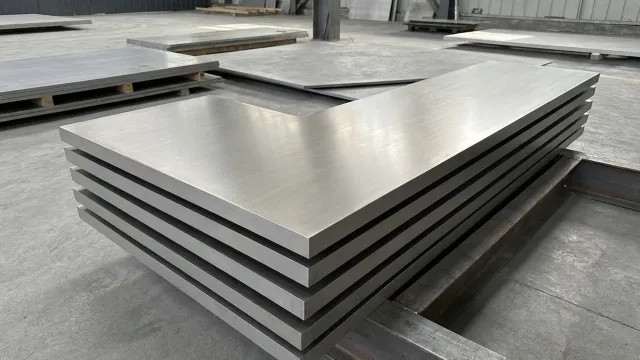
Prototype & Low-Volume Titanium Orders Most titanium suppliers quote from mill minimums, which is why a request for two plates or a metre of bar often goes unanswered. We hold and cut stock material, so small quantities are a normal order rather than an exception. That said, "no minimum order quantity" is only honest with one distinction attached, so here it is up front.Where There Is Genuinely No Minimum Stock material, cut to your size. Grades and forms held in stock can ship as a single piece — one plate, one length of bar, a few metres of tube. This covers most prototype, R&D, repair and qualification-sample requirements. You pay for the material plus cutting, not for a mill batch. Where a Real Minimum Still Applies Anything that requires the mill to run for you. Custom melting, a specific rolling schedule, a non-stock size, a forging die, or a grade we do not hold means the producer sets a batch size, and that batch size is real economics rather than a policy we can waive. If your requirement falls in this category we will tell you the actual minimum and the reason, rather than quoting a small quantity and renegotiating later. Frequently there is a stock alternative — a nearby size that machines down, or an equivalent grade — and we will propose it.What Small Orders Actually Cost Small quantities carry a higher per-kilogram cost than production volumes. That is setup and cutting time distributed over fewer pieces, not a penalty. The gap narrows quickly with quantity. What does not change with order size:Material certification. EN 10204 3.1 mill test certificate ships with a one-piece order the same as with a tonne. Heat number traceability. A prototype you may later have to qualify is traceable from the start. Grade and specification. Stock is the same material as production stock, not off-spec or remnant.The point of a prototype order is that it should predict the production order. Material that cannot be traced or repeated defeats that.Typical Use CasesEngineering prototypes and design validation R&D and university research quantities Repair and replacement parts Qualification samples before a production award Small-series production where annual volume never reaches mill minimumsOrdering Send the grade, form, dimensions and quantity. If you are unsure of the grade, describe the environment and load and we will suggest options — see also the grade selector and titanium grades. If the item is a step toward a larger programme, say so. It changes which material we pull, so that the prototype and the eventual production run share the same specification. Request a small-quantity quote →
Read More about Prototype & Low-Volume Orders
Titanium Polishing & Mechanical Surface Finishing
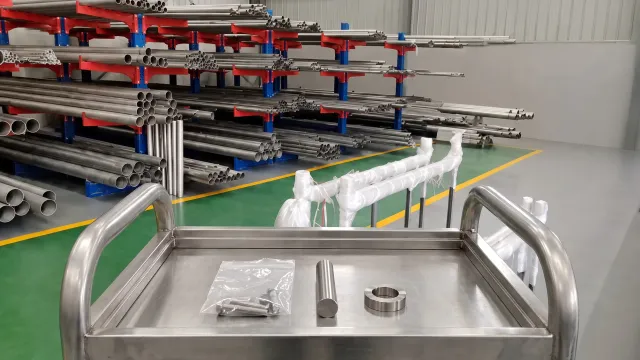
Titanium Polishing & Mechanical Surface Finishing "Polishing" is often used as a catch-all, but mechanical polishing, brushing, matte blasting and deburring are different processes with different equipment, different consumables and different results. Specifying the wrong one means paying for a finish that does not suit the part. This page covers mechanical finishing. Chemical processes — pickling and alpha-case removal — are a separate discipline: see descaling and pickling requirements when the part has been hot worked or heat treated.Finish TypesFinish What it is Typically used forMechanical polishing Progressive abrasive stages to a smooth, reflective face Fluid-contact surfaces, decorative parts, components where surface roughness affects performanceBrushing (satin / hairline) Directional abrasive texture, consistent grain direction Architectural and visible surfaces, panels, trimMatte / bead blasting Uniform low-gloss texture from blast media Non-reflective surfaces, pre-treatment before coating or anodisingDeburring & edge finishing Removal of burrs, edge breaking, radiusing Cut and machined parts before assembly, handling safety, fatigue-sensitive edgesSurface roughness (Ra) is agreed per order, together with the measurement direction and sampling length — an Ra figure without those two is not a specification.Titanium-Specific Controls Titanium is not stainless steel, and two points matter more here than in general metal finishing:No ferrous media, ever. Iron particles embedded in a titanium surface become corrosion initiation sites and will fail a pickling or passivation check later. Abrasives, belts, wheels and blast media are titanium-dedicated; blasting uses alumina, glass bead or ceramic, never steel shot or grit that has been used on carbon steel. Titanium dust is combustible. Fine particles from dry grinding, polishing and blasting are a recognised combustible-metal dust hazard. Extraction, collection and housekeeping for titanium must be separate from ferrous dry collection systems — this is a real constraint on where the work can be placed, not a formality.Where the part has been hot worked, heat treated or pickled beforehand, mechanical finishing does not substitute for verifying alpha case removal and hydrogen content — polishing changes the surface appearance without changing what is underneath it.What to Specify To quote a finish rather than guess at one, we need:Target Ra (and whether it applies to the whole part or named surfaces) Finish type — polished, brushed, matte, or deburr only Direction, for brushed finishes What happens next — coating, anodising, welding, or final assembly Whether the part is a fluid-contact, medical or high-cleanliness item, which changes handling and packagingIf you are unsure which finish suits the application, describe the function of the surface and we will propose one rather than quoting the most expensive option by default. Send your finishing requirement →
Read More about Titanium Polishing & Mechanical Surface Finishing
Stocking Programs
Stocking Programs for Titanium Products At Titanium Seller, we understand that timely access to high-quality titanium materials is critical for your production processes. That’s why we offer Stocking Programs that provide a steady and reliable supply of titanium products, so you can plan against agreed call-off dates rather than spot lead times. Our Stocking Programs are tailored to meet the specific needs of various industries, offering a flexible and cost-effective way to manage your titanium material requirements. Whether you’re in aerospace, medical, automotive, or other industries, we ensure that you have the materials you need, when you need them. What is a Stocking Program? A Stocking Program is a customized inventory management solution where we stock a predefined amount of titanium products for your business. These materials are readily available when you need them, reducing lead times and ensuring that you always have the right products on hand for your projects. With our Titanium Stocking Programs, we work with you to understand your specific requirements and then provide tailored solutions to meet your demands. We store and manage a dedicated inventory of your most frequently used titanium products, so you can avoid stockouts, reduce procurement delays, and keep your production running smoothly. Benefits of Our Stocking ProgramsReduced Lead Times: By stocking the materials you need in advance, you can receive them on-demand, significantly reducing lead times for your orders. Cost Savings: Our stocking programs allow you to purchase titanium materials in bulk, leading to lower per-unit costs and reduced inventory management overhead. Consistency: Having a dedicated stock of titanium products ensures that you receive consistent quality and supply, reducing the risk of stockouts or delays. Customized Solutions: We tailor our stocking programs to meet your specific needs, including product type, quantity, and delivery schedule, to ensure maximum efficiency. Flexibility: Whether you need periodic shipments or just-in-time deliveries, we offer flexible stocking solutions to fit your production requirements. Inventory Management: Our team can help you monitor your inventory levels and adjust orders as needed to ensure you never run out of critical materials.Types of Titanium Products We Stock Our Stocking Programs can include a wide variety of titanium products, including but not limited to:Titanium Sheets Titanium Plates Titanium Bars and Rods Titanium Tubes and Pipes Titanium Fittings and Flanges Titanium Wire Titanium AlloysWe offer Grade 1, Grade 2, Grade 5, and other titanium alloys to suit your industry-specific needs. All products are sourced from trusted suppliers and meet the acceptance criteria agreed for your order for quality and performance. How Our Stocking Program WorksInitial Consultation: We begin by working closely with you to understand your specific material needs, production schedule, and order volume. Customized Inventory Plan: Based on your requirements, we create a personalized stocking plan that includes the types and quantities of titanium products you need, as well as the delivery schedules. Storage and Management: We store your materials in our secure warehouses, managing inventory levels to ensure that your stock is replenished in a timely manner. On-Demand Fulfillment: When you need materials, we deliver them directly to your location, ensuring quick access to the products you need to keep your operations running smoothly. Ongoing Support: Our team regularly reviews your inventory levels and usage patterns to adjust orders, ensuring that you always have the right materials on hand.Industries We Serve Our Stocking Programs are designed to meet the needs of various industries that rely on titanium for their products and operations, including:Aerospace: Ensure the timely delivery of titanium parts for aircraft structures, turbines, and other critical components. Medical: Stock titanium for implants, surgical tools, and medical devices, all meeting stringent quality standards. Automotive: Supply titanium for high-performance automotive components such as exhaust systems, structural parts, and engine components. Marine: Stock titanium for marine applications, including boat hulls, fittings, and corrosion-resistant parts. Industrial: Provide titanium materials for heavy machinery, pumps, valves, and other industrial applications requiring strength and durability.Why Choose Titanium Seller for Your Stocking Program?Expertise in Titanium: With years of experience in the titanium industry, we understand the unique needs of our clients and can provide expert guidance to help you choose the best materials for your projects. Tailored Solutions: Our Stocking Programs are flexible and can be customized to meet the specific needs of your business, ensuring the right materials are available when needed. Reliable Delivery: We prioritize fast, reliable delivery, ensuring your titanium products arrive on time and in perfect condition. Cost-Effective: With bulk purchasing options and efficient inventory management, we help reduce costs while providing high-quality titanium materials. Commitment to Quality: All our products are sourced from trusted suppliers and are supplied against the material standard stated in your order, with mill test certificates every time.Conclusion Our Stocking Programs are designed to streamline your procurement process, reduce lead times, and ensure a reliable supply of titanium materials for your production needs. By partnering with Titanium Seller, you can reduce the hassle of inventory management and focus on what matters most—your core business. Contact Us today to discuss how our Stocking Programs can benefit your business, or Request a Quote for more information on how we can tailor our services to your specific needs.
Read More about Stocking Programs
Pickling & Alpha-Case Removal
Pickling & Alpha-Case Removal Every time titanium is heated in air — forging, hot forming, annealing, hot rolling — oxygen and nitrogen diffuse into the surface and form alpha case: a hard, oxygen-enriched layer that is brittle and has drastically reduced fatigue strength. It cannot be seen. A part with alpha case looks like a part without it. It shows up later, as cracks during forming, cracks at the weld, or a fatigue failure well below the design life. This is the process that removes it — and the checks that prove it is gone.What Gets Removed, and HowStage PurposeMechanical or alkaline pre-treatment Break down heavy scale so the acid works on metal rather than oxideNitric–hydrofluoric pickling Controlled dissolution of the contaminated surface layerMulti-stage rinse and neutralisation Remove acid residue from surfaces and any blind featuresDeionised final rinse and drying Prevent staining and residual halidesClean packing Prevent re-contamination in transitTypical removal is in the tens of microns per pass. Heavy scale or a thick alpha case is pre-treated mechanically or by alkaline descaling first, rather than trying to dissolve everything in acid — which wastes material and risks over-etching.How Removal Is Verified This is the part that separates a controlled process from a cosmetic one. Metallographic section. A witness coupon processed with the batch is sectioned, mounted, etched and measured under the microscope. The report states the sampling location, magnification, and both the maximum and average residual layer depth. Microhardness gradient traverses can supplement it where the case is shallow. If a supplier tells you alpha case removal is verified "by appearance" or "by colour", the process is not being controlled. Surface appearance is exactly the thing alpha case does not change.The Hydrogen Problem Pickling has a second failure mode that is less discussed than alpha case and equally invisible. In the acid bath, hydrogen ions can be reduced to atomic and then molecular hydrogen, which diffuses into the titanium lattice. The result is hydrogen embrittlement — cracking during subsequent bending, forming or welding, on a part that passed visual and dimensional inspection. Nitric acid is what prevents it. It oxidises hydrogen as it forms: 2 HNO₃ + H₂ → 2 H₂O + 2 NO₂Which is why the nitric-to-hydrofluoric ratio matters more than the total acid concentration. Industry practice is to keep the HNO₃:HF ratio above roughly 5:1; below that, hydrogen pickup rises sharply. Bath ratio, temperature, immersion time and analysis frequency belong in the process card with records, not in a verbal assurance. Hydrogen content is tested after pickling and reported as a release condition — by inert gas fusion, not inferred from the incoming material certificate. If hydrogen is out of specification, the correction is vacuum degassing and re-test, never longer pickling or grinding the surface. The same applies to zirconium, with its own bath chemistry and its own witness coupons — zirconium is not run on titanium parameters.Contamination Control Titanium picks up iron readily, and embedded iron becomes a corrosion initiation site. Dedicated fixtures and lifting gear, non-ferrous contact surfaces, batch separation, deionised final rinse, and chloride-free packing are part of the process rather than optional extras.When You Need ItAfter forging, hot forming or hot rolling After heat treatment in air or in a non-protective atmosphere Before welding, where a contaminated surface will crack the weld Before forming operations that put the surface in tension On aerospace and medical parts, where alpha case is a specification-level requirement rather than a preferenceIf the part is going on to welding and fabrication or surface finishing, say so — mechanical finishing changes how a surface looks without changing what is underneath it.What to Send With Your Enquiry Grade and product form, the prior thermal history (what heated the part and in what atmosphere), the applicable specification or acceptance standard, maximum permissible residual alpha case, and hydrogen limit. If those last two are not specified on your drawing, tell us the application and we will propose values before quoting. Send your pickling requirement →
Read More about Pickling & Alpha-Case Removal
Titanium CNC Machining Services
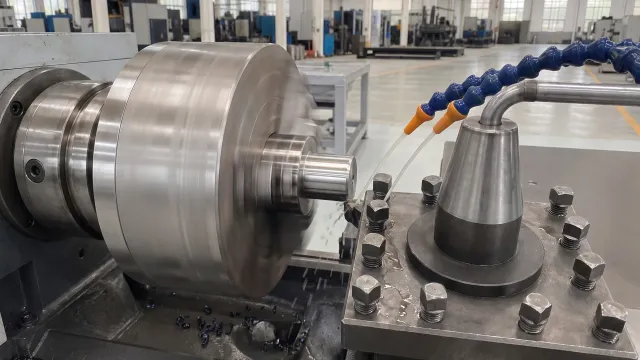
Titanium CNC Machining — From Bar Stock to Finished Component We provide end-to-end titanium CNC machining — from raw bar/plate/forging supply through 5-axis precision machining to finished components with full documentation. Work is placed with qualified titanium-specialist manufacturing resources in Baoji, China's titanium valley, and covers aerospace, medical, chemical, and marine applications. Titanium Seller is the single contracting party. However many processing stages or facilities an order passes through, quality, lead time, documentation and claims remain our responsibility — you deal with one contract, one quality agreement and one point of contact. Typical turnaround: 10–25 working days from PO to shipment, depending on complexity and quantity.What We MachineCapability Range Typical Tolerance3-axis milling Up to 1,200 × 600 × 500 mm ±0.05 mm5-axis milling Up to 800 × 600 × 400 mm ±0.02 mmCNC turning Ø1–Ø250 mm × 1,500 mm length ±0.01 mmWire EDM Up to 600 × 400 mm, 300 mm Z ±0.01 mmSurface grinding Ra 0.4 μm ±0.01 mmGrades machined daily: Grade 2 (CP), Grade 5 (Ti-6Al-4V), Grade 9 (Ti-3Al-2.5V), Grade 23 (Ti-6Al-4V ELI), TA15, TC4, TC11. Titanium Milling Milling covers most of our titanium work — pockets, faces, contours, thin webs and 5-axis surfaces on brackets, housings and manifolds. Two things are worth knowing before you compare quotes:Titanium is not a high material-removal-rate metal. Its low thermal conductivity keeps heat in the cutting zone, so titanium runs at roughly a third of the cutting speed used on steel. Anyone quoting titanium milling on steel-like cycle times has not costed the job properly. Thin walls and deep pockets drive the price more than the material does. Wall thickness below about 1 mm, deep pockets and long unsupported features require step-down strategies and extra fixturing, which shows up in setup rather than in kilograms of stock.Send the model and we will tell you where the cost actually sits before you commit.Why Titanium Machining Is Different Titanium isn't stainless steel. Get it wrong and you'll see:Tool wear 5–10× faster than steel. Titanium's low thermal conductivity concentrates heat at the cutting edge. Galling and built-up edge. Titanium chemically reacts with most carbide tools above 600°C, requiring specific coatings (AlTiN, TiAlN). Springback. Ti-6Al-4V's elastic modulus (110 GPa) is half of steel's, causing dimensional drift if feed rates are wrong. Fire risk. Fine titanium chips are pyrophoric. Coolant flood and chip evacuation are not optional.We place titanium work only with dedicated titanium manufacturing resources — not with general job shops that "also" run titanium. Process route, tooling strategy and inspection plan are agreed before the order is released.Process Parameters We Use For Ti-6Al-4V (Grade 5), our baseline machining envelope:Cutting speed (Vc): 30–60 m/min for finishing, 20–40 m/min for roughing Feed (fz): 0.05–0.15 mm/tooth Depth of cut (ap): Up to 0.4 × tool diameter for finishing Coolant: High-pressure (≥40 bar) flood with synthetic coolant Tool material: Ungrooved AlTiN-coated carbide for roughing, PCD for finishingThese are conservative starting points. Actual parameters are tuned per geometry and tool path strategy.Certification & Documentation Every shipment includes:Material Test Certificate (EN 10204 Type 3.1) with chemistry and mechanical results Dimensional inspection report (CMM-based for critical features) Heat number traceability from ingot pour through finished part Optional: Type 3.2 third-party witnessed inspection for aerospace/medical workOn certification: required approvals (aerospace, medical, oil & gas and special-process schemes) are confirmed per order against the actual executing facility — certificate number, scope, address and validity date. We state the applicable approvals in the quotation for your specific part, rather than listing scheme names here, because such approvals are issued to a named site for a named process and never transfer across facilities.Pricing & MOQOrder Size Typical Pricing1–10 pieces (prototype) Hourly + setup, ~$120–280/hour10–100 pieces (small batch) Per-piece quoted with setup amortized100+ pieces (production) Volume pricing, MTC + dimensional report includedNo minimum order. We frequently produce 1–5 piece prototypes for engineering validation. For pricing visibility before you commit, see our titanium price guide — material cost is typically 35–55% of finished part cost.Common ApplicationsAerospace: Brackets, fittings, fasteners, manifolds, engine ducting Medical: Orthopedic instruments, dental components, surgical tools Chemical: Heat exchanger tube sheets, pump impellers, valve bodies Marine: Propeller shafts, seawater piping fittings Motorsport: Connecting rods, exhaust components, fastenersGet a Machining Quote Send us:STEP/IGES drawing (preferred) or PDF dimensioned print Quantity required Material grade preference (or we'll recommend) Surface finish & tolerances beyond drawing defaults Certification needs (MTC type, third-party inspection)We respond with pricing, lead time, and any DFM suggestions within 24 hours.
Read More about Titanium CNC Machining Services
Water Jet Cutting Services
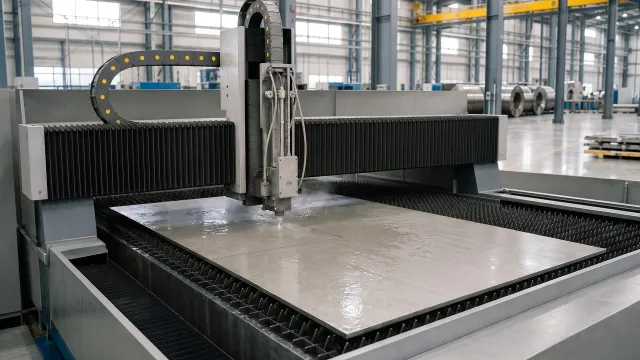
Water Jet Cutting Services for Titanium and Alloys Water Jet Cutting is a state-of-the-art, non-thermal cutting process that uses a high-pressure stream of water, sometimes mixed with abrasives, to cut through a wide variety of materials, including titanium, stainless steel, aluminum, and composites. This process is especially valuable for applications where precise cuts are required, without the introduction of heat or stress into the material. At Titanium Seller, we provide Water Jet Cutting Services that offer a precise and cost-effective solution for cutting titanium and other hard materials. Whether you need complex shapes or simple straight cuts, our water jet cutting services can handle a range of thicknesses and materials with excellent accuracy. What is Water Jet Cutting? Water Jet Cutting uses a high-pressure stream of water to cut through materials with remarkable precision. For harder materials like titanium, the water is mixed with an abrasive material, such as garnet, to increase its cutting power. The water jet can cut complex shapes, intricate designs, and thick materials without compromising the integrity of the material. Unlike traditional cutting methods like laser or plasma cutting, Water Jet Cutting does not produce heat, preventing material deformation, distortion, or heat-affected zones. This makes it ideal for cutting heat-sensitive materials like titanium, as well as other alloys and composites. Why Choose Water Jet Cutting for Titanium?No Heat-Affected Zone (HAZ): Unlike traditional cutting methods, water jet cutting doesn’t produce heat, which means there is no risk of altering the properties of titanium. Precision: Typical water-jet tolerances fall in the ±0.003–0.005 in range on thin material. Achievable tolerance depends on thickness, cutting speed, head type and taper compensation, and widens on thick sections — the tolerance for your part is confirmed at quotation. Complex Shapes: The versatility of water jet cutting allows for the cutting of complex and detailed shapes without the need for secondary finishing. No Material Distortion: Since water jet cutting is a cold process, the material is not subjected to thermal stresses, ensuring that there is no warping or distortion. Minimal Kerf Width: Water jet cutting produces a narrow kerf width, minimizing material waste and ensuring maximum material utilization.Applications of Water Jet Cutting Water jet cutting is ideal for industries that require precision cutting of titanium and other materials. Some of the most common applications include:Aerospace: Cutting titanium for aircraft parts, including turbine blades, airframes, and structural components. Medical: Cutting titanium implants, surgical instruments, and medical devices with high accuracy and minimal risk of contamination. Automotive: Cutting titanium components used in exhaust systems, engine parts, and high-performance automotive applications. Marine: Cutting titanium for boat hulls, fittings, and other marine equipment that require corrosion resistance and strength. Industrial: Precision cutting for industrial machinery, valves, and other components that demand high strength and durability.Water Jet Cutting Capabilities At Titanium Seller, we offer advanced water jet cutting services that cater to various titanium applications. Our state-of-the-art equipment ensures precision and quality, with the following capabilities:Material Thickness: Our water jet cutting machines can handle materials from thin sheets to thick plates, including titanium and titanium alloys. Complex Geometry: The ability to cut intricate shapes and designs with exceptional precision, making it ideal for detailed and custom components. Multi-Tasking: Capable of cutting a variety of materials, including titanium, stainless steel, aluminum, composites, and plastics. Edge Quality: Water jet cutting produces smooth edges that typically require little post-processing; residual burr and taper depend on thickness and cutting parameters. Custom Solutions: Whether you need small quantities or large production runs, we can accommodate your specific needs with tailored solutions.Why Choose Titanium Seller for Water Jet Cutting? At Titanium Seller, we are committed to delivering high-quality water jet cutting services that meet the most stringent requirements. Here’s why you should choose us:Expert Technicians: Our team of experienced professionals is highly skilled in working with titanium and other alloys, ensuring the highest standards of precision. Advanced Equipment: We use the latest water jet cutting machines that provide reliable and consistent results. Customization: We offer flexible cutting options to suit your specific requirements, including custom sizes, shapes, and materials. Quick Turnaround: Our efficient cutting process ensures that your orders are completed on time, whether it’s a small order or a large batch. Competitive Pricing: We provide cost-effective cutting solutions without compromising on quality, helping you reduce your production costs.Industries We Serve Our Water Jet Cutting Services are designed for industries that require precise, high-quality titanium components. Some of the industries we serve include:Aerospace: Cutting high-performance titanium parts for aviation, including engine components, wings, and structural elements. Medical: Manufacturing titanium medical implants, surgical tools, and other precision components. Automotive: Cutting titanium for high-performance automotive parts such as exhaust systems and structural components. Marine: Producing titanium marine parts that are resistant to corrosion and capable of withstanding harsh environments. Industrial Manufacturing: Producing precision components for heavy machinery, pumps, valves, and other industrial equipment.Conclusion Water Jet Cutting is an ideal choice for high-precision cutting of titanium and other hard materials, offering numerous advantages including no heat distortion, precise cuts, and the ability to handle complex shapes. Whether you're looking to cut titanium for aerospace, medical, automotive, or industrial applications, Titanium Seller provides top-quality water jet cutting services that meet your specific needs. To learn more about how we can assist with your cutting requirements, Contact Us or Request a Quote today!
Read More about Water Jet Cutting Services