Aerospace and Defense
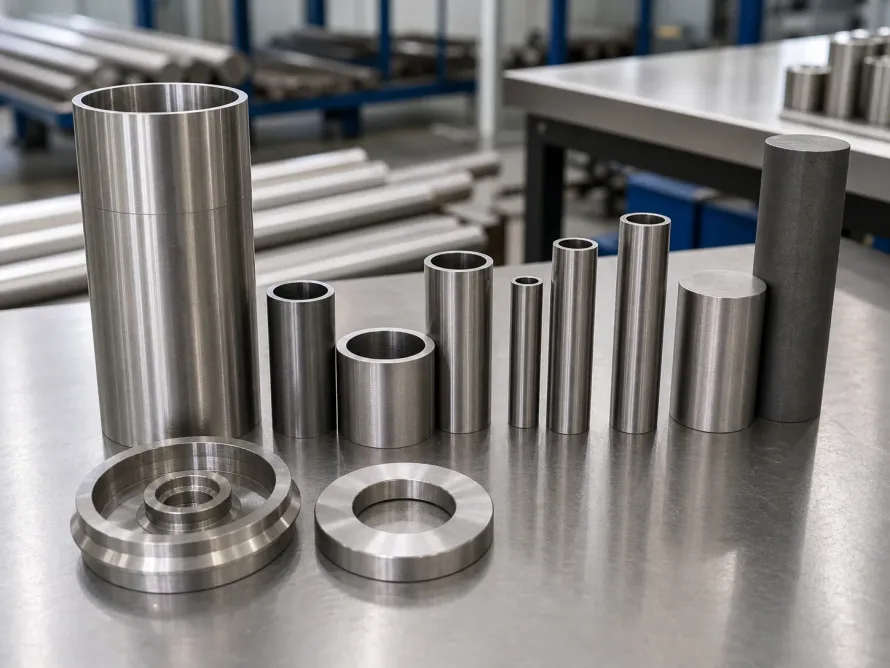
Technical Explainer
Technical Explainer
How a 53-test Ti6242S–Ti4822 oxidation study supports preliminary blisk surface screening, and why cyclic and component evidence still blocks release.
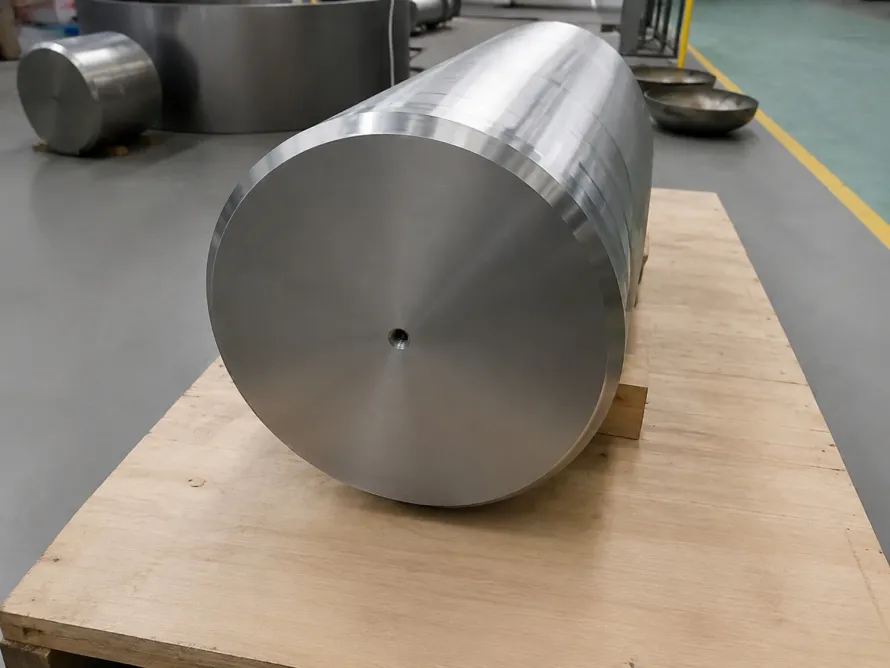
Farnborough’s supplier push shows why titanium buyers must separate immediate stock, transitional qualification and structural aerospace capacity.
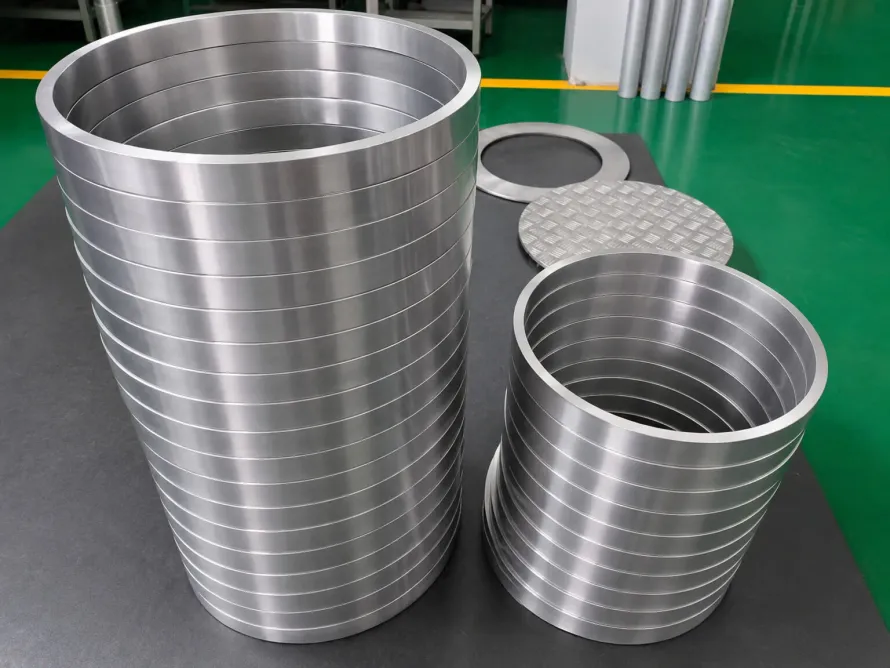
Safran’s F135 agreement shows why large-scale titanium additive manufacturing must be measured by qualified, accepted-part throughput—not build rate.
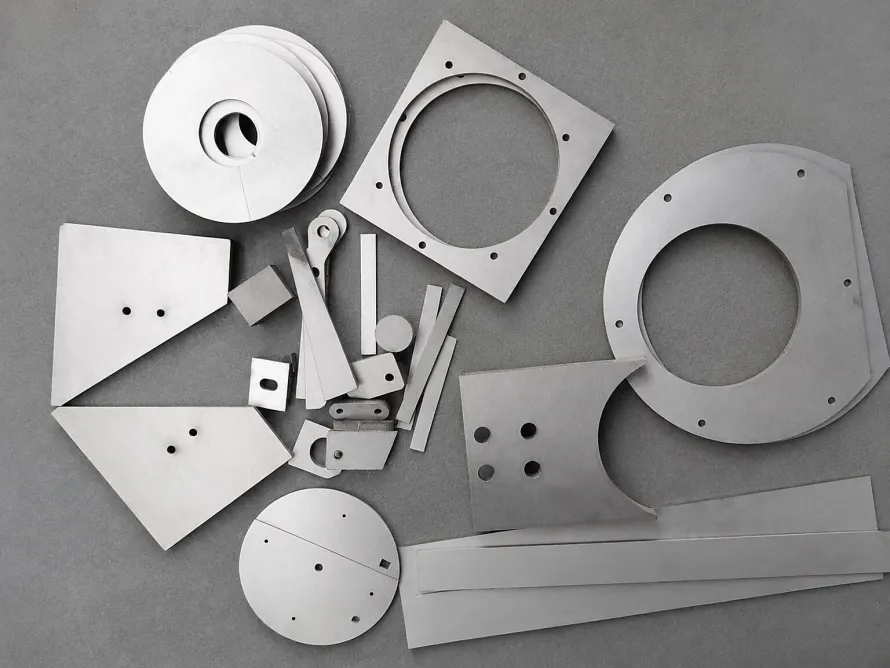
How porous and coated titanium turns spacecraft procurement into a dual performance problem spanning orbital service and re-entry demise.
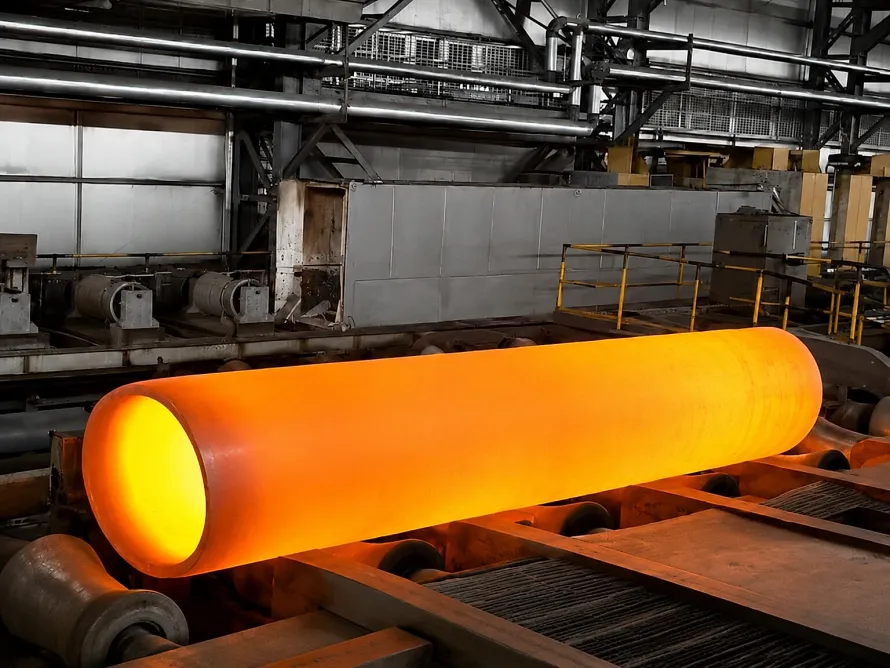
How EASA's proposed cold dwell fatigue guidance changes titanium rotor-forging sourcing, manufacturing control and supplier-change evidence.
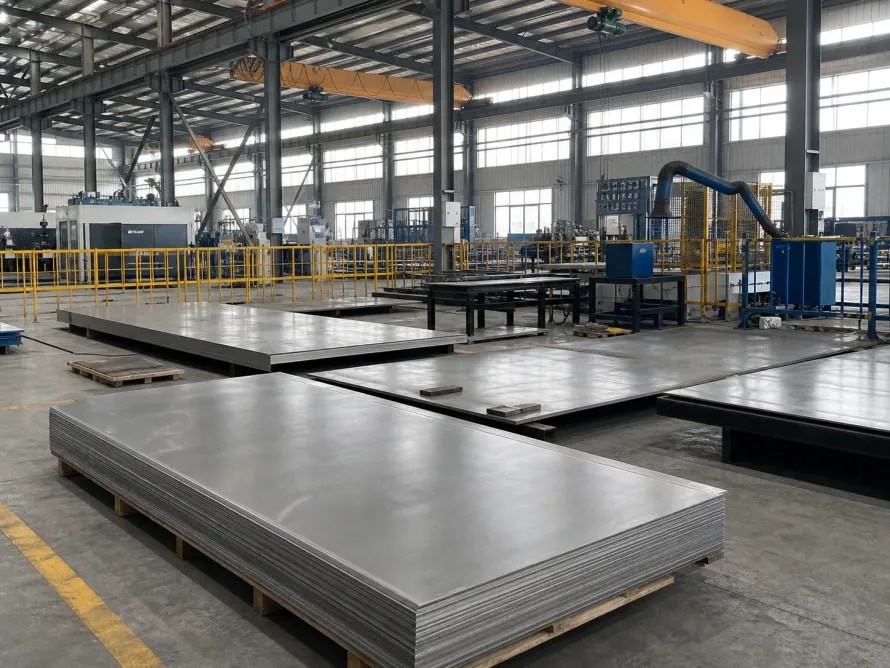
Why titanium resilience needs funded material-form, qualification, capacity and evidence budgets—not just another supplier name.
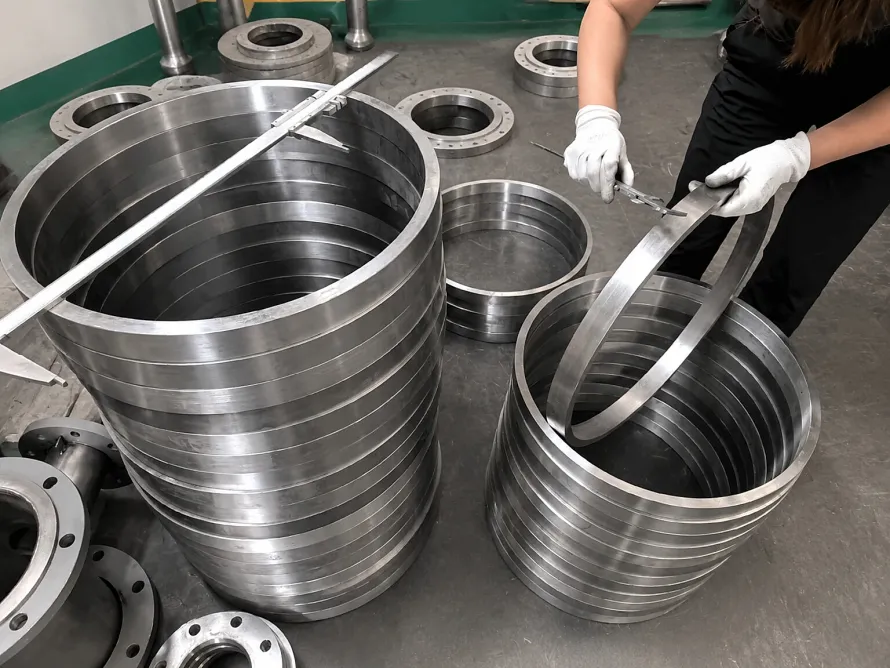
ASTM's defense AM guide shows why titanium buyers need a criticality-to-release file before accepting AM, HIP or machined parts.
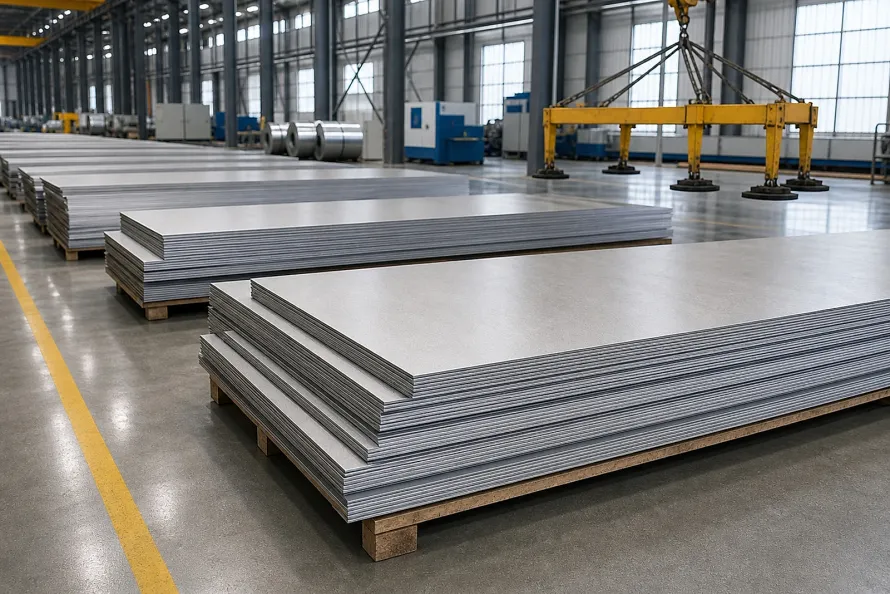
A current IperionX defense plate award shows why titanium buyers need powder-to-plate release evidence before treating capacity as supply.
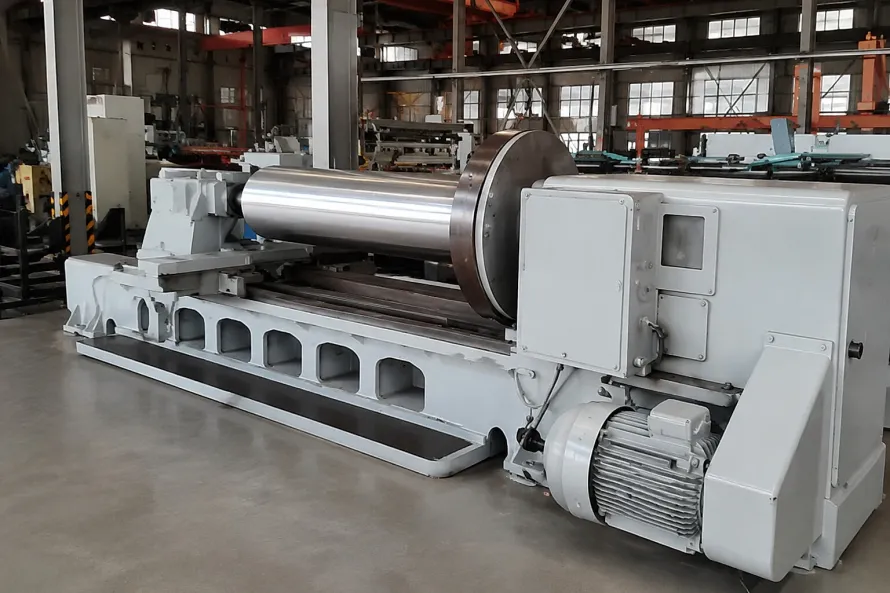
Why distributed AM at RIMPAC 2026 makes titanium buyers ask for mobile release evidence, not just faster point-of-need production.
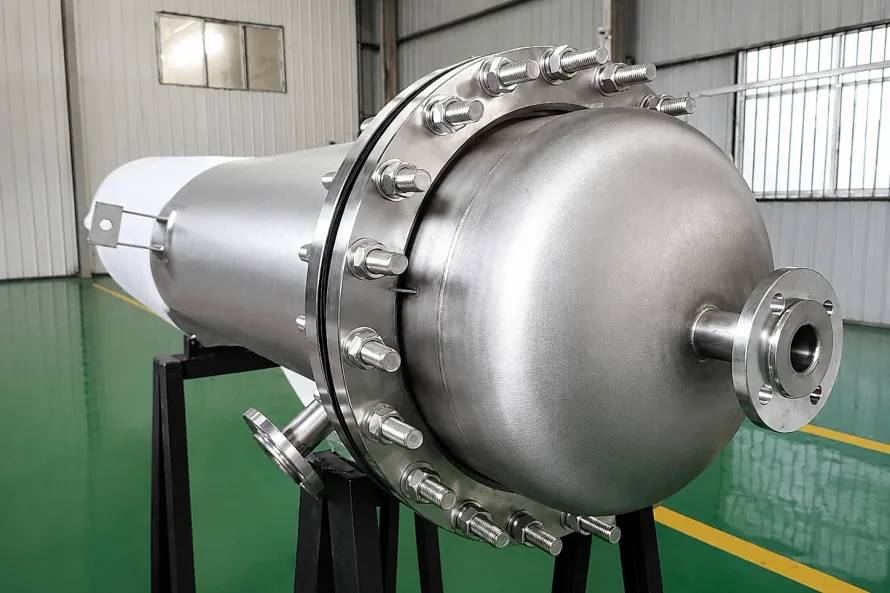
Northrop's Ti-64 tank signal shows why AM titanium pressure parts need material, process, inspection and release evidence.
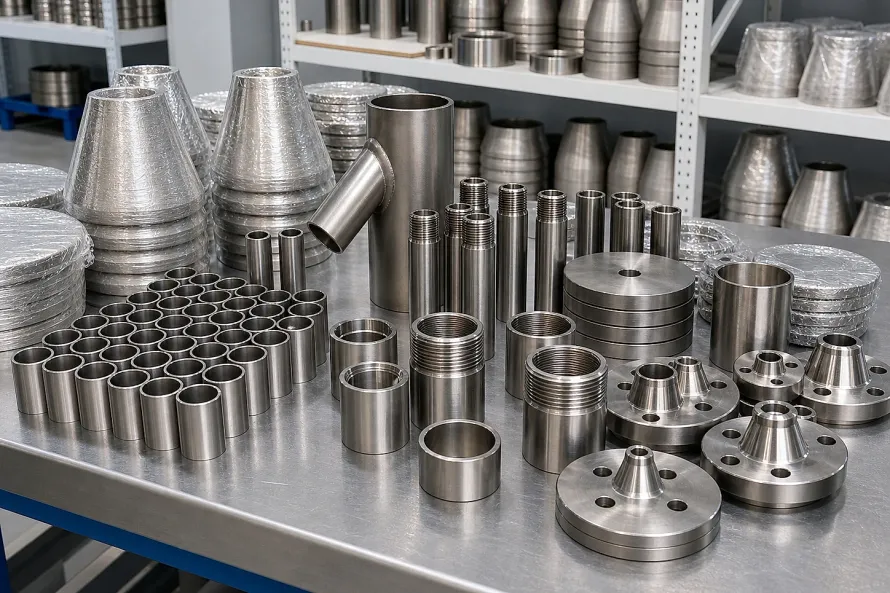
How NASA JPL's titanium lattice signal shows why AM buyers need load-displacement curves, relative-density proof, post-processing records and qualification evidence.
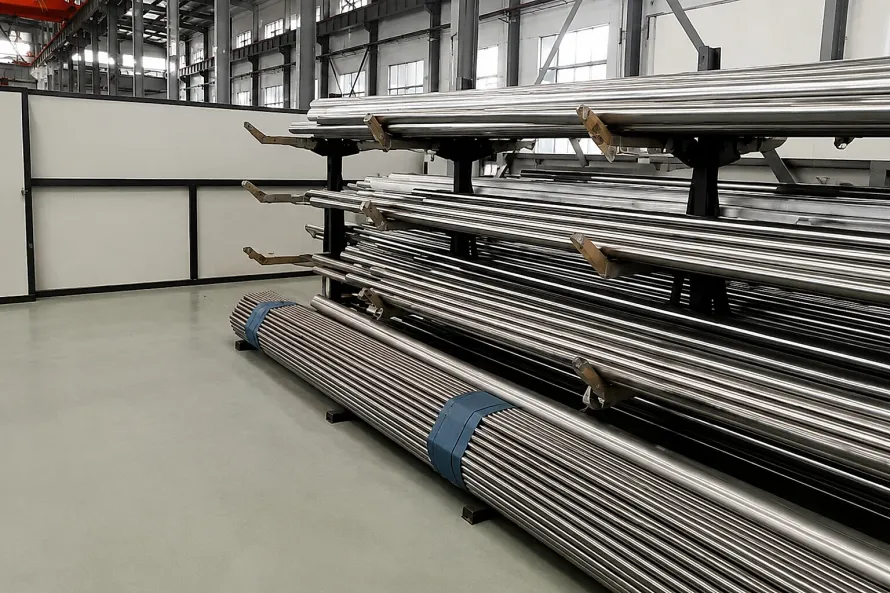
How Nadcap AM audit criteria make titanium buyers connect supplier scope, purchase-order review, material input, process control and release evidence.
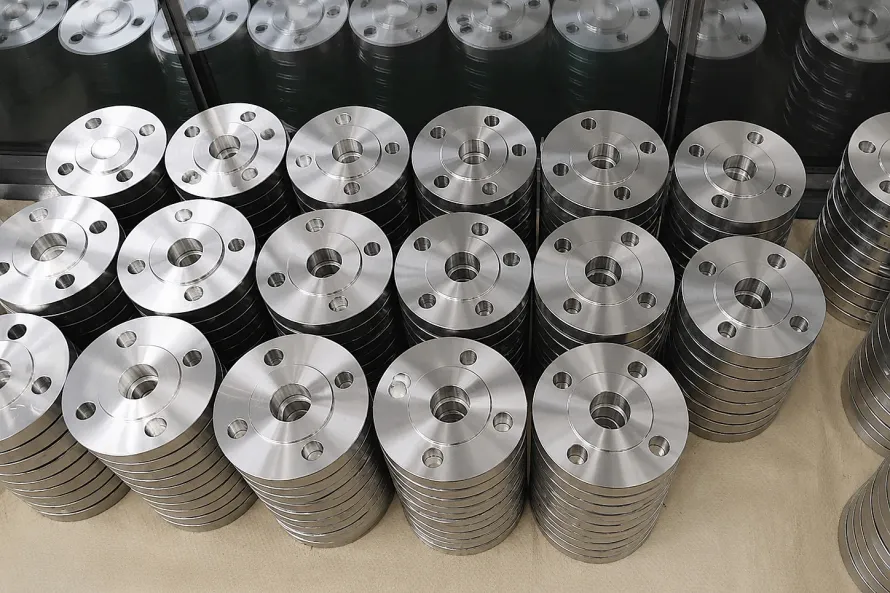
How defence AM and Project Tampa make titanium buyers connect digital spare files to material, process, inspection and release evidence.
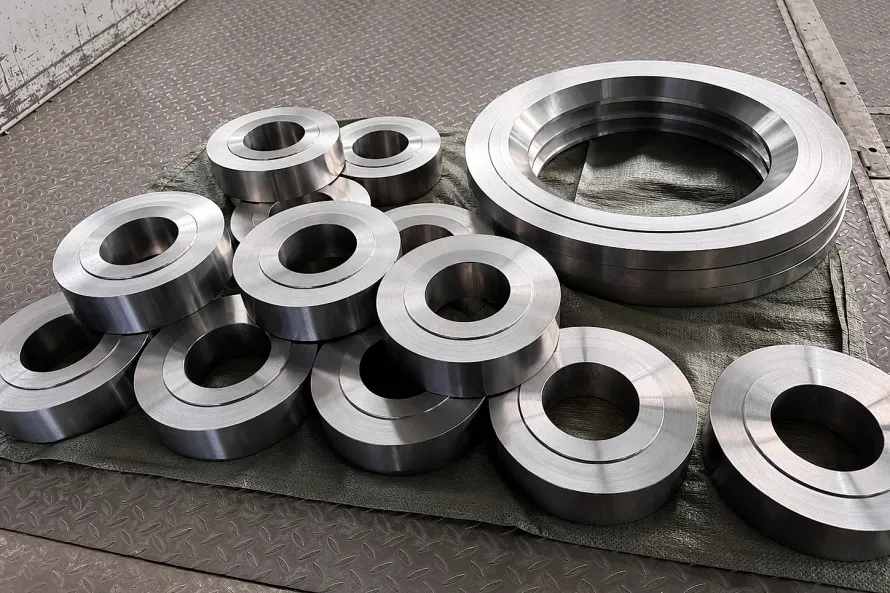
Airbus and Safran's Aubert & Duval move shows why titanium buyers need source-control-to-lot evidence, not only supplier ownership signals.
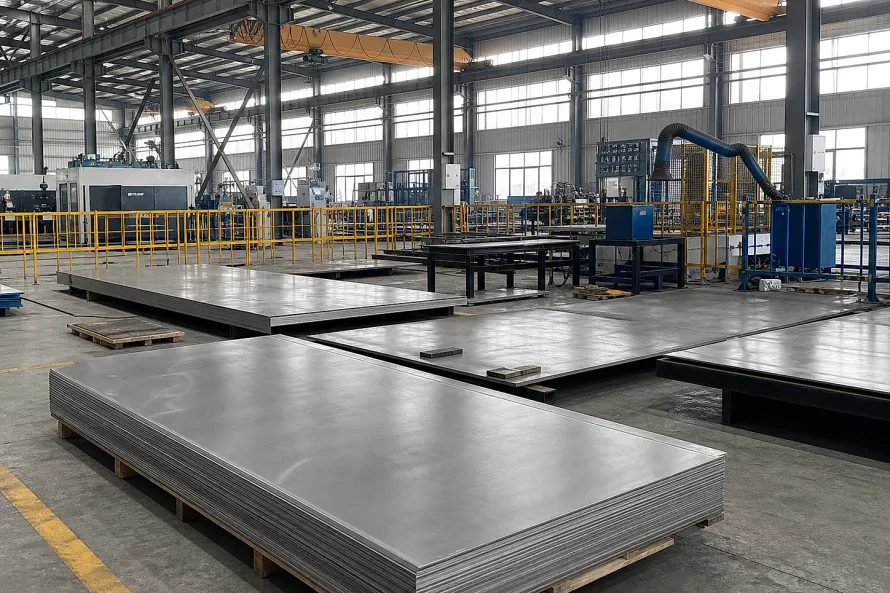
How a DoD supersonic aircraft manufacturing notice turns titanium buying into a load, temperature, inspection and sustainment evidence question.
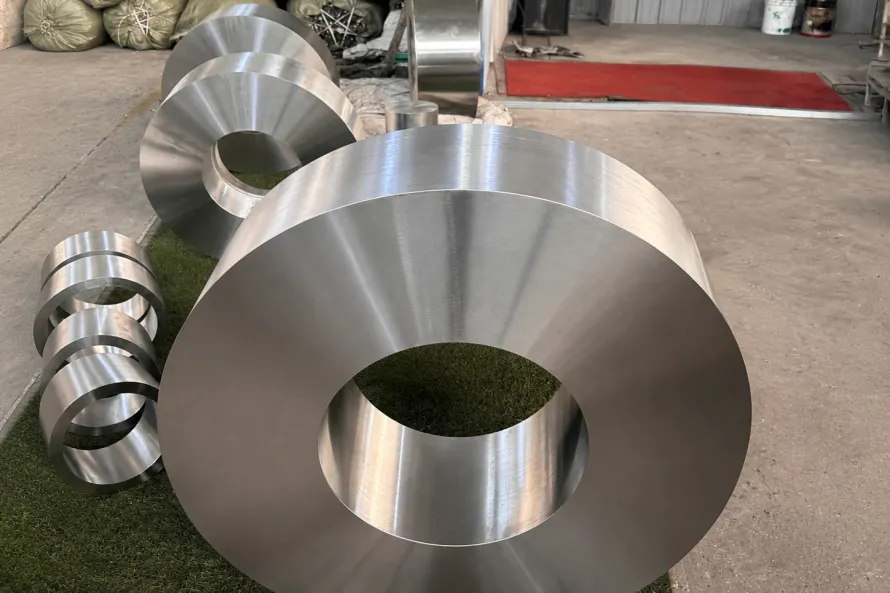
Norsk Titanium's Nadcap signal shows why titanium AM buyers need facility, route, inspection and change-control evidence before release.
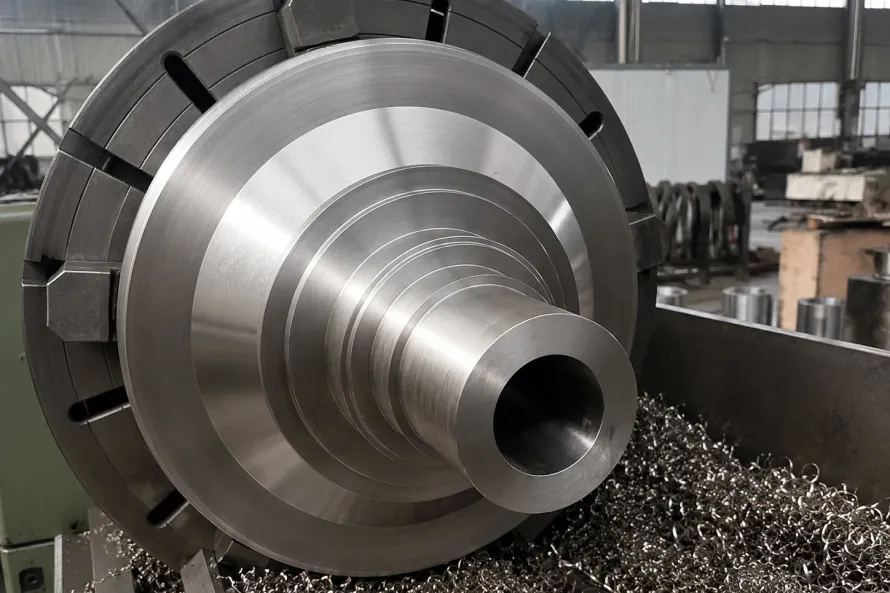
Norsk's submarine contract shows why titanium buyers need mission-envelope evidence before treating AM or machined parts as mission-ready.
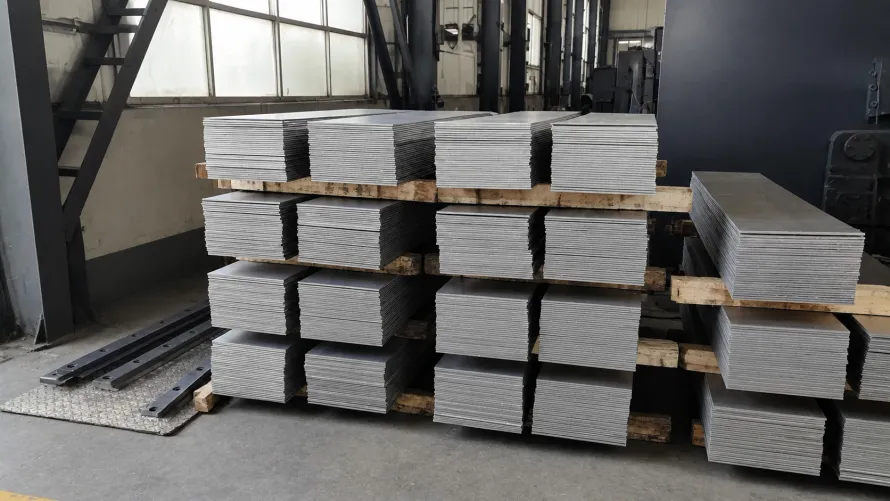
Aircraft backlogs show why titanium buyers need proof that product form, process route, inspection and documentation capacity are reserved.
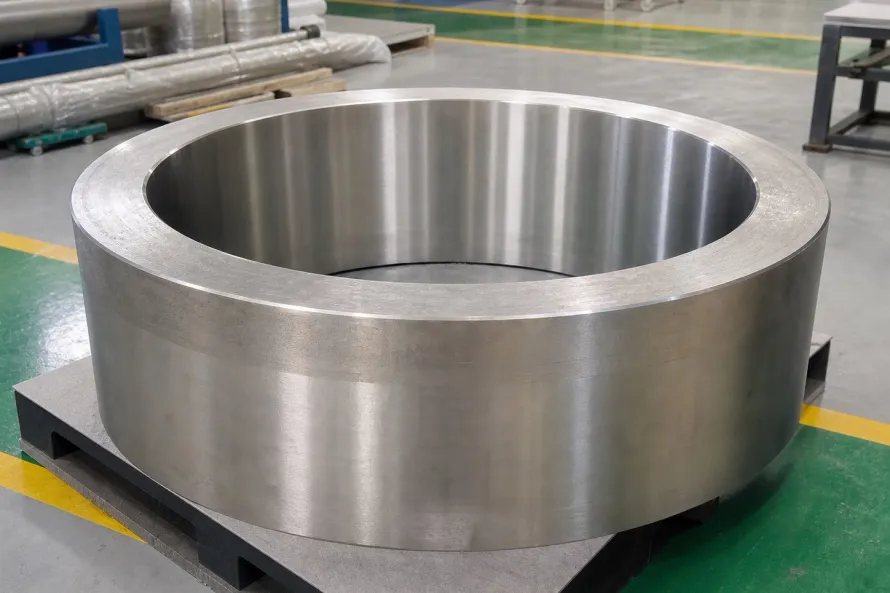
Theseus shows why titanium buyers need item-level identity evidence from material entry through processing, documents and shipment release.
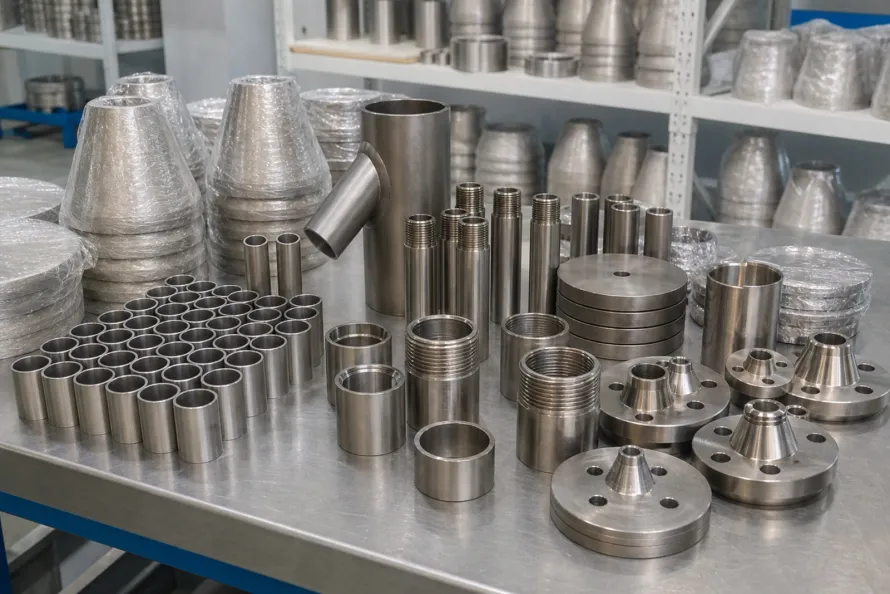
IperionX's fastener tests show why titanium buyers need release evidence linking alloy, route, joint, installation, lot records and change control.
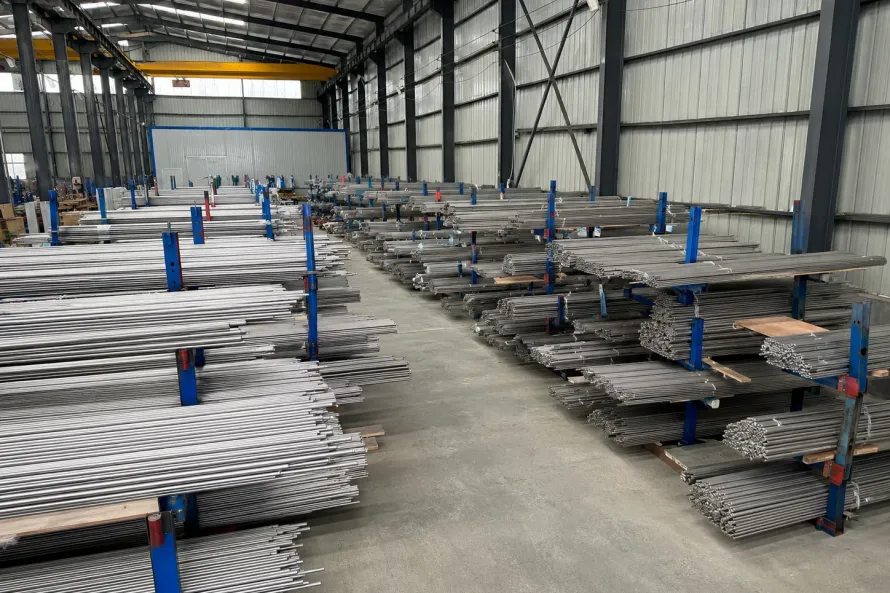
Norsk Titanium's Northrop contract shows why titanium buyers should verify route control, inspection capacity, lot release and change control before repeat orders.
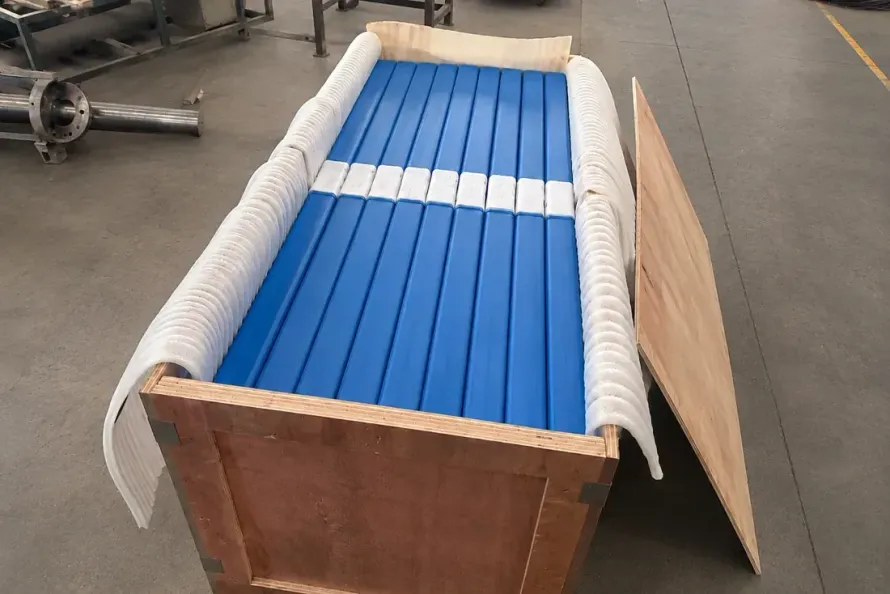
On 2026-05-28 Norsk Titanium booked two milestones in a single week: a first recurring production contract with Northrop Grumman and NADCAP AM system accreditation. Three thresholds — technical…
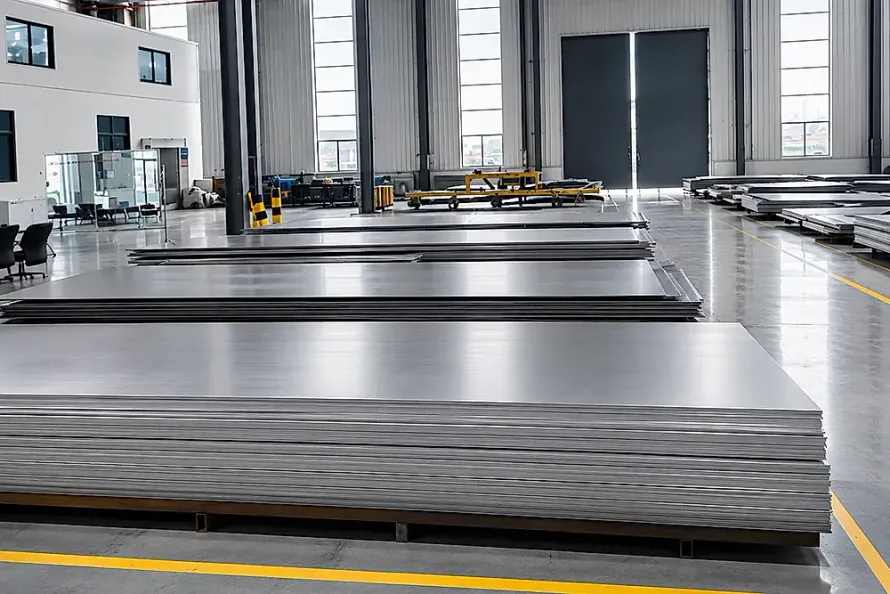
In May 2026 ATI's new South Carolina specialty titanium sheet mill comes online, and Airbus simultaneously doubles its ATI contract volume. After Safran's April de-Russification milestone, the…
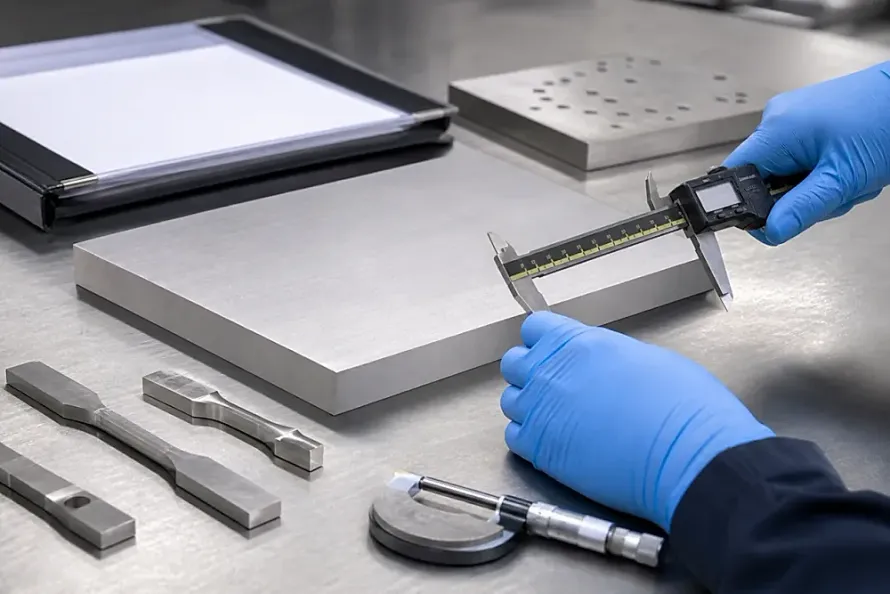
voestalpine's EUR 1B aerospace order, USGS's 100% sponge import-reliance reading, Airbus's 9,037 backlog and Reuters' 50-60 week titanium tubing lead times are all pointing the same way: aerospace…
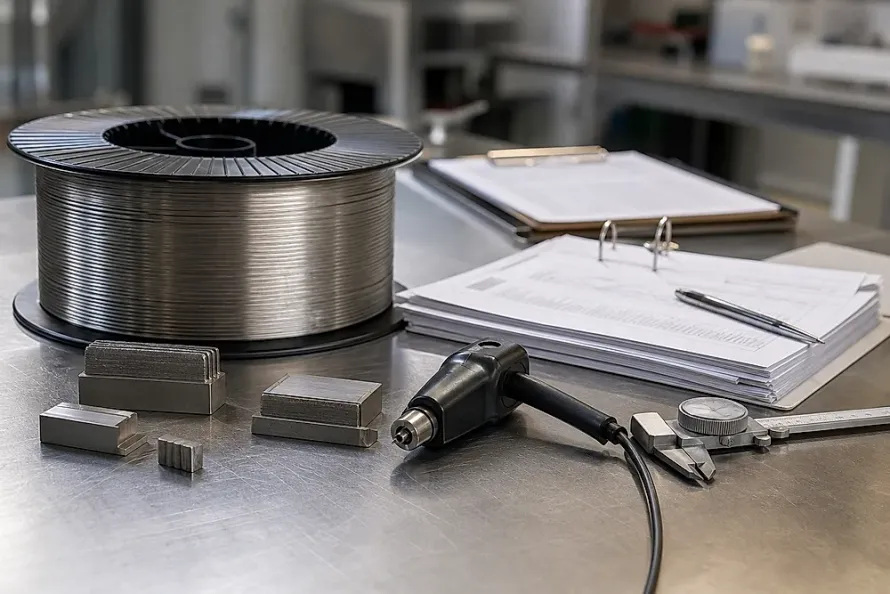
GKN Aerospace and AFRL's TITAN-AM programme to industrialise LMD-w for large titanium aerostructures shows why aerospace titanium supply now depends on feedstock control, NDI, machining allowance,…
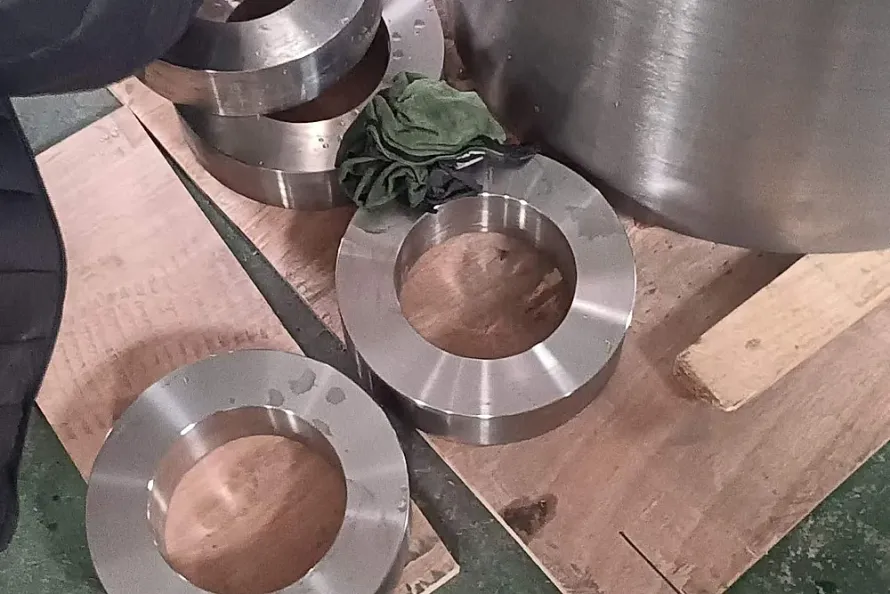
In April 2026 the Pentagon's FY27 budget request seeks 85 F-35s (38A + 10B + 37C); same month, a $177M contract for 3 flight-science test aircraft was signed on 4-23 and Israel's multi-platform deal…
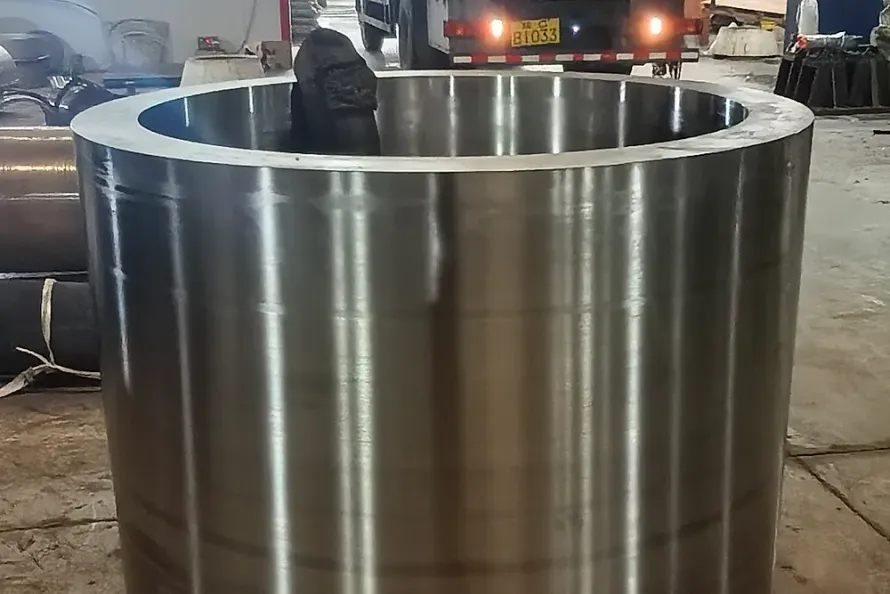
On 21 April 2026 Safran announced its non-Russian titanium transition is complete: billet and landing-gear forgings have moved entirely to Ecotitanium (Aubert & Duval subsidiary) and Japanese/US…
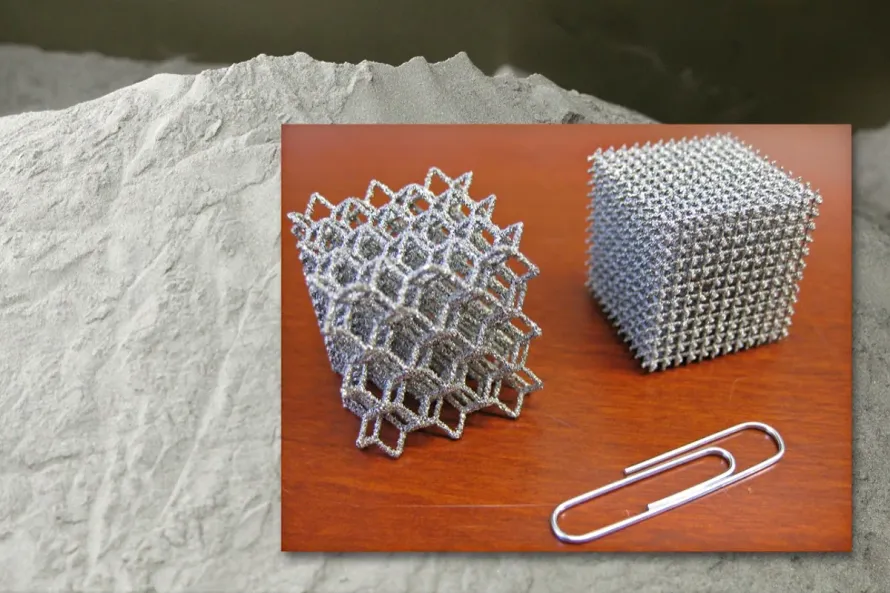
How Airbus's 7-meter titanium 3D printing, US reshoring investments, and China's 75% production share are reshaping the global aerospace titanium supply chain.
Get factory-direct pricing on titanium products. No minimum order.
Get a QuoteWe use cookies to improve your experience. By continuing to use this site, you agree to our use of cookies.