Theseus Shows Why Titanium Buyers Need a Material-to-Part Identity File
DUST Identity’s 2026 launch of the Theseus aerospace authentication platform is not only a counterfeiting story. For titanium buyers, it is a clear signal that the industry is moving beyond paper-only traceability toward evidence that binds the physical material, the processing record and the release document to the same part identity.
AIN reported that Theseus was introduced at Titanium Europe 2026 in Toulouse and combines physical diamond-particle markers with AI-assisted verification of airworthiness documents. The reported pilot tracked titanium bar stock from French specialty metals mill Aubert & Duval through distribution and machining to delivery at Airbus, with certificates of conformity and test data attached to the same digital record.
That matters because titanium supply risk is no longer only about whether the alloy is available. The harder question is whether the same piece of material can be followed through cutting, machining, inspection, subcontract processing, document handoff and receiving inspection without the record becoming detached from the metal.
Why Paper Alone Is No Longer Enough
Titanium already carries a document burden. A buyer may request a mill test report, certificate of conformity, heat number, purchase order, packing list, inspection report and customer-specific release document. In aerospace and high-value industrial work, the packet may also include FAA 8130-3, EASA Form 1, first-article records, nonconformance closure and repair history.
The weakness is not that documents are useless. The weakness is that documents can be separated from the product they describe. The 2024 FAA investigation into titanium parts with falsified quality documentation on Boeing and Airbus aircraft showed the commercial problem plainly: even when testing later indicated that the alloy itself was correct, the missing trust in the paperwork forced quarantine, removals, airworthiness review and costly supplier investigation.
Theseus does not solve every case. AIN noted that the platform can authenticate enrolled parts, not components that were never marked and registered. But the direction is important. The industry’s trust model is shifting from “the paper says this part is traceable” to “the part itself can prove which record belongs to it.”
The Titanium Mechanism Behind The News
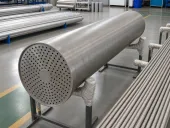
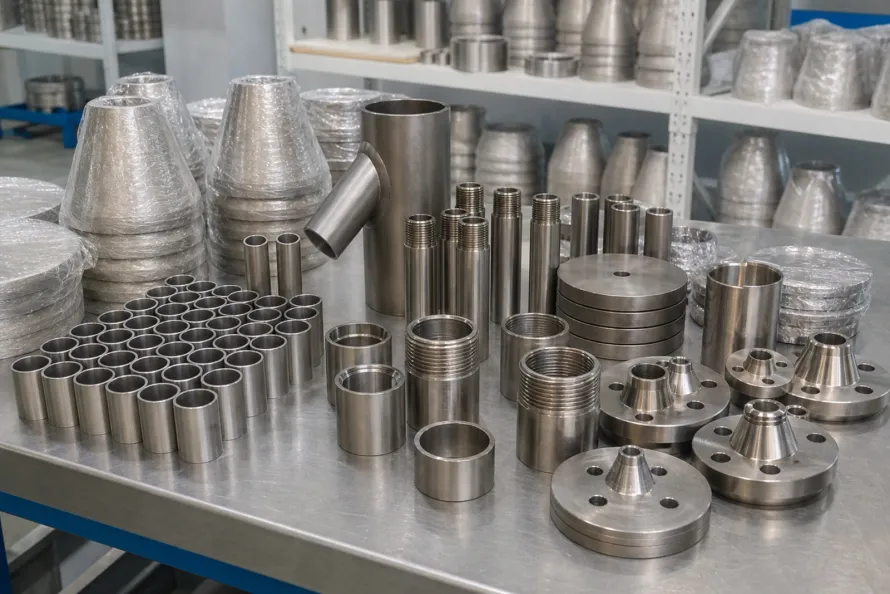
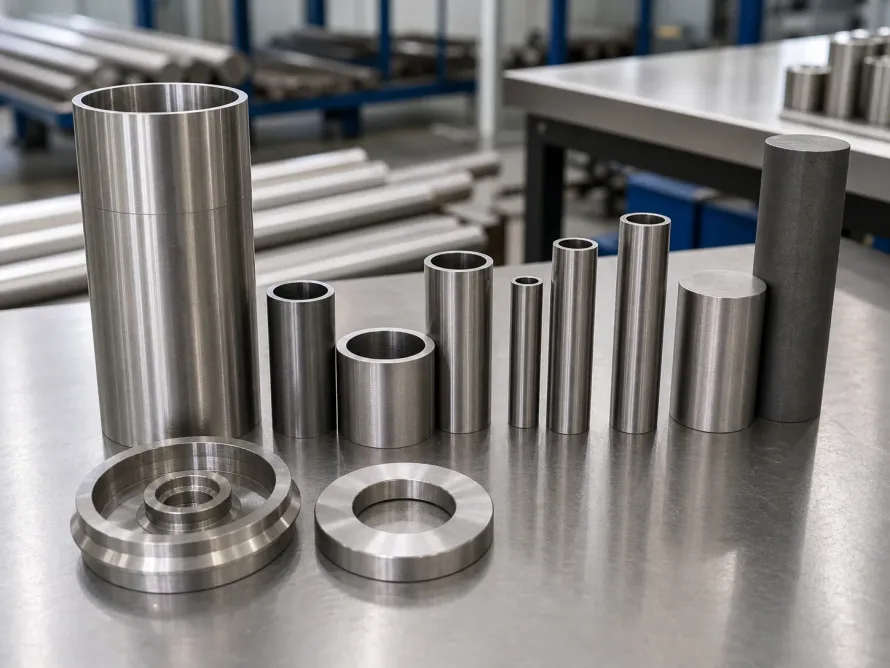
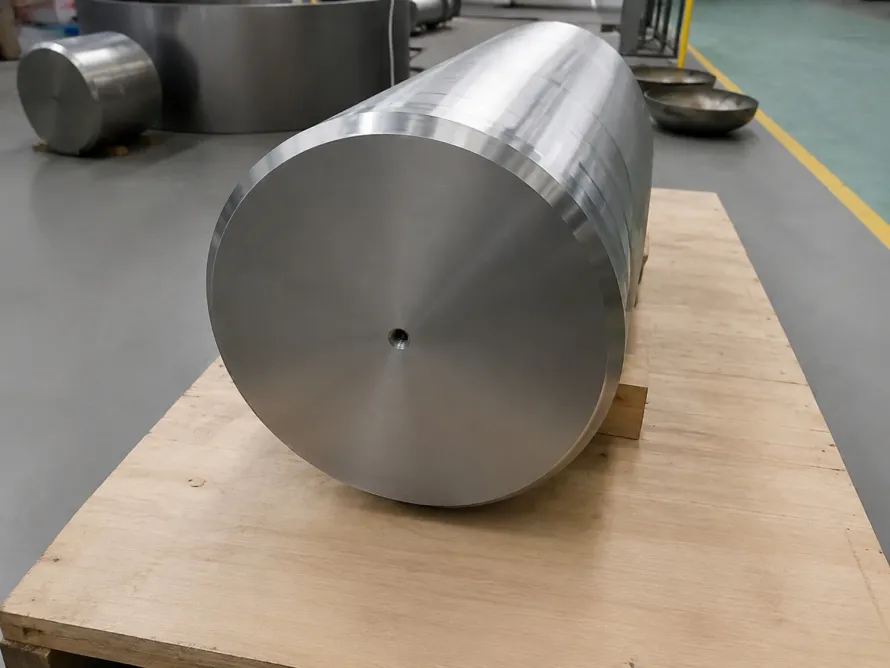
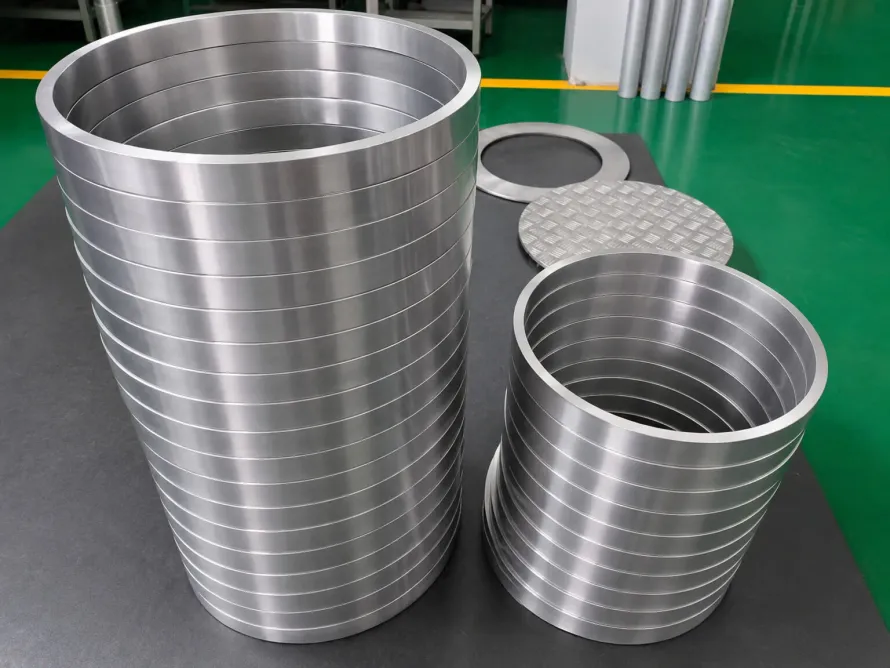
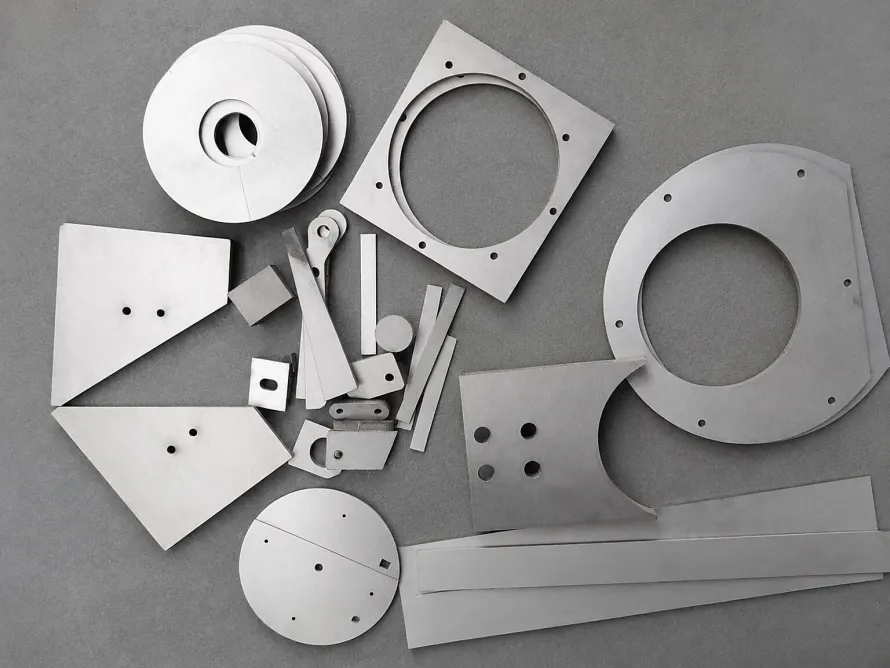
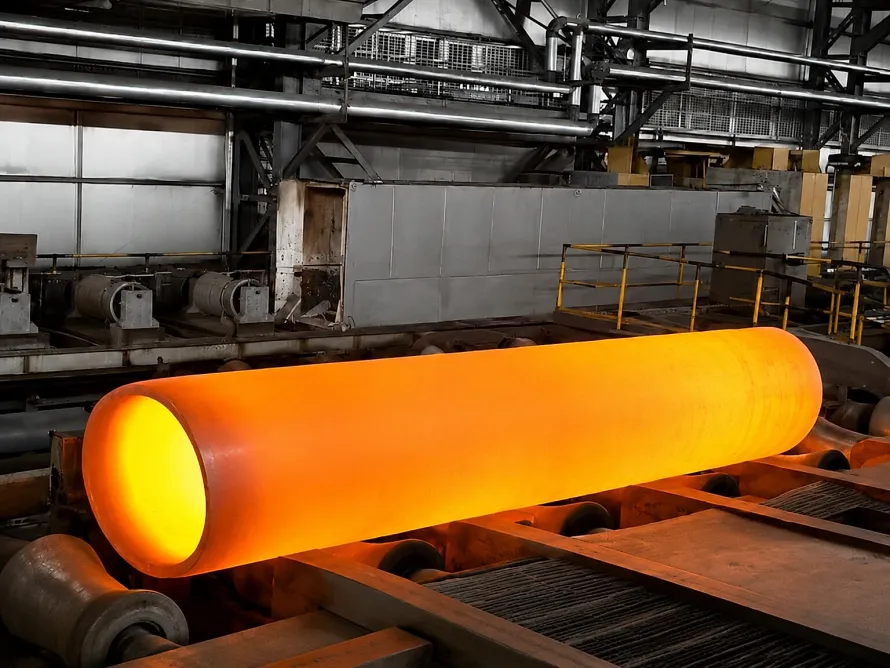
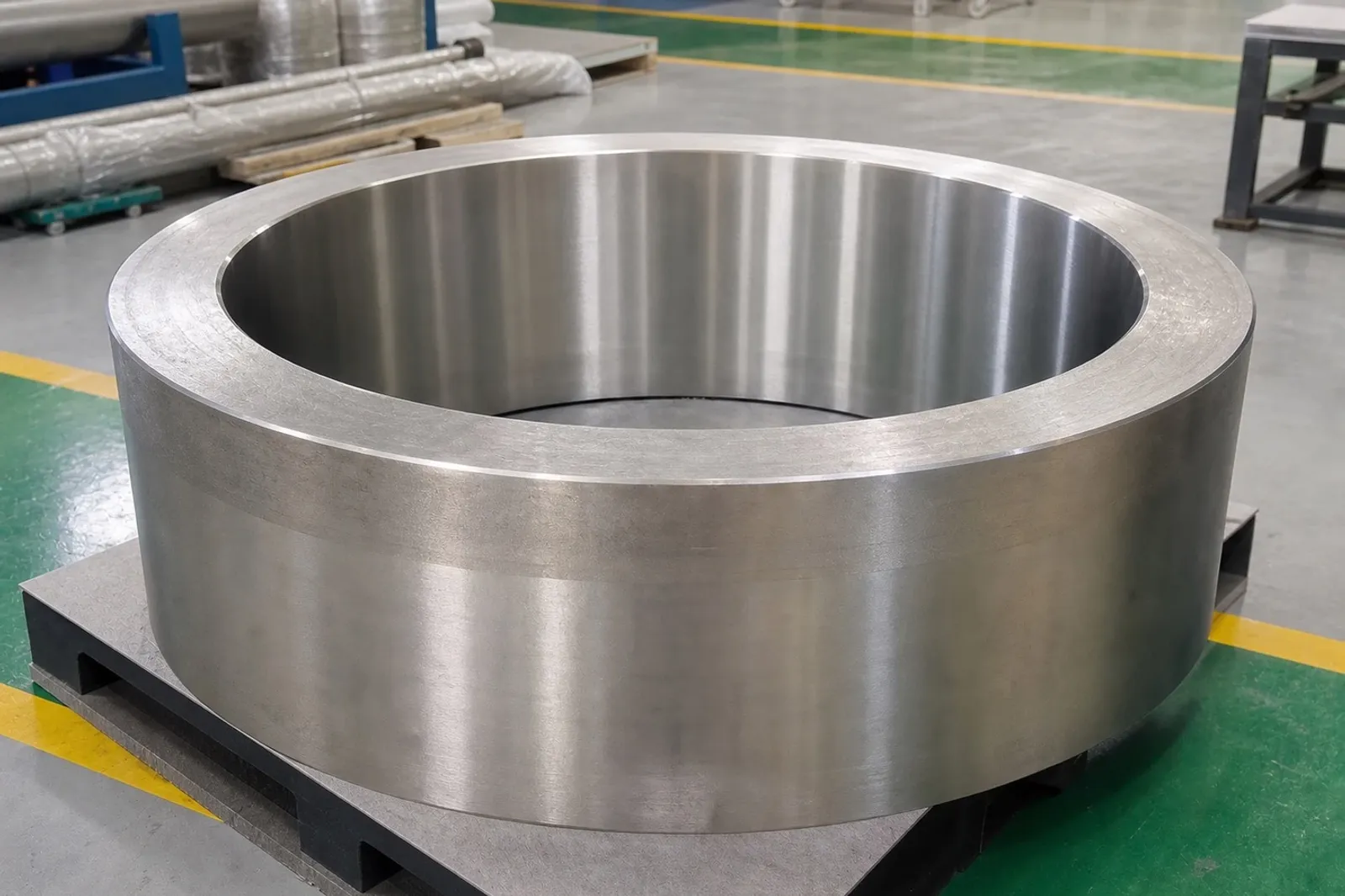
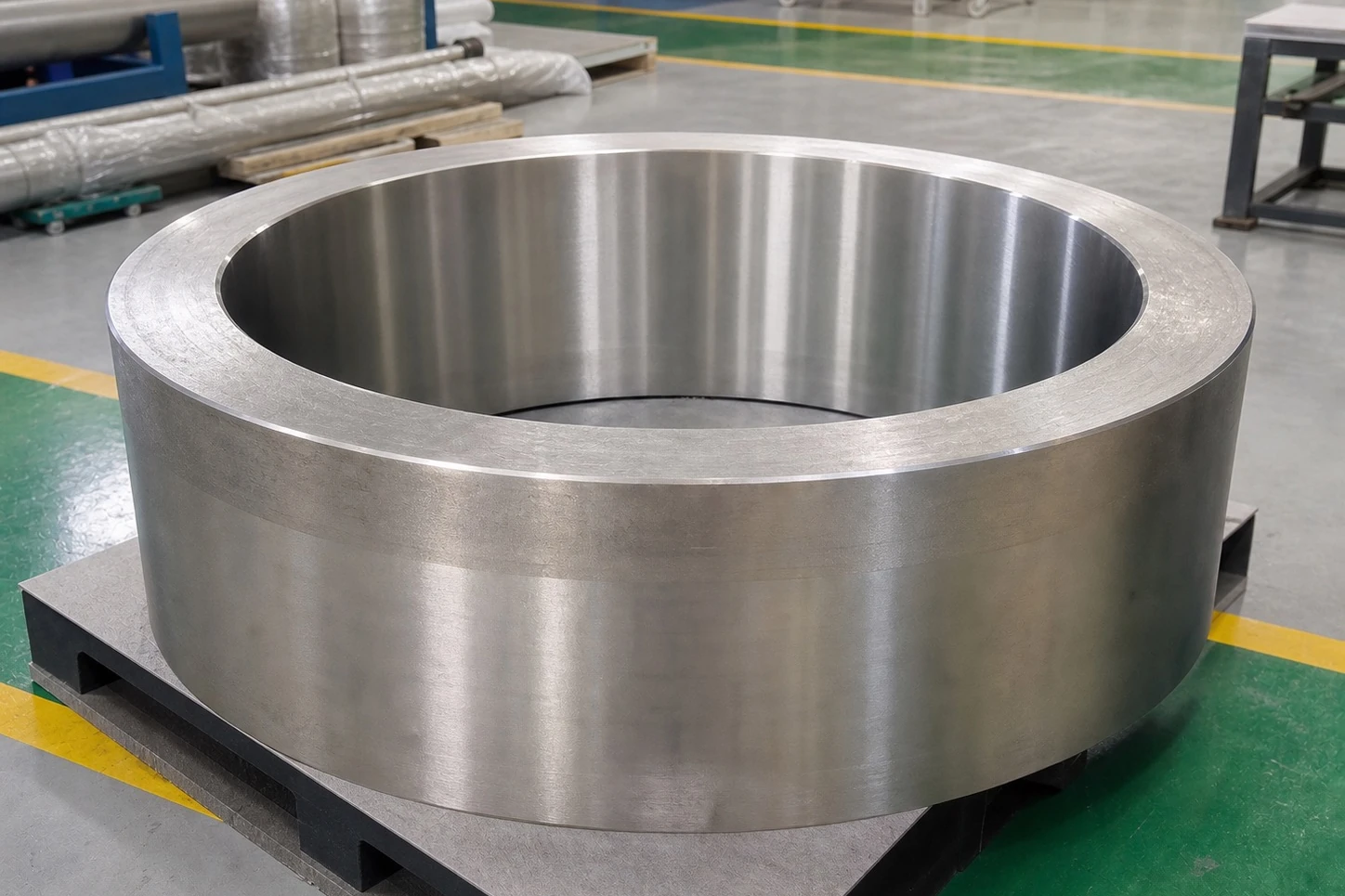
Titanium products are exposed to identity drift because one starting form can become many downstream items. A bar may be cut into blanks. A billet may be machined into rings, bushings or fastener bodies. Plate may become cut blocks, brackets, fixtures or pressure-boundary parts. Tube may be cut, bent, welded or assembled into a heat-exchanger or chemical-service component.
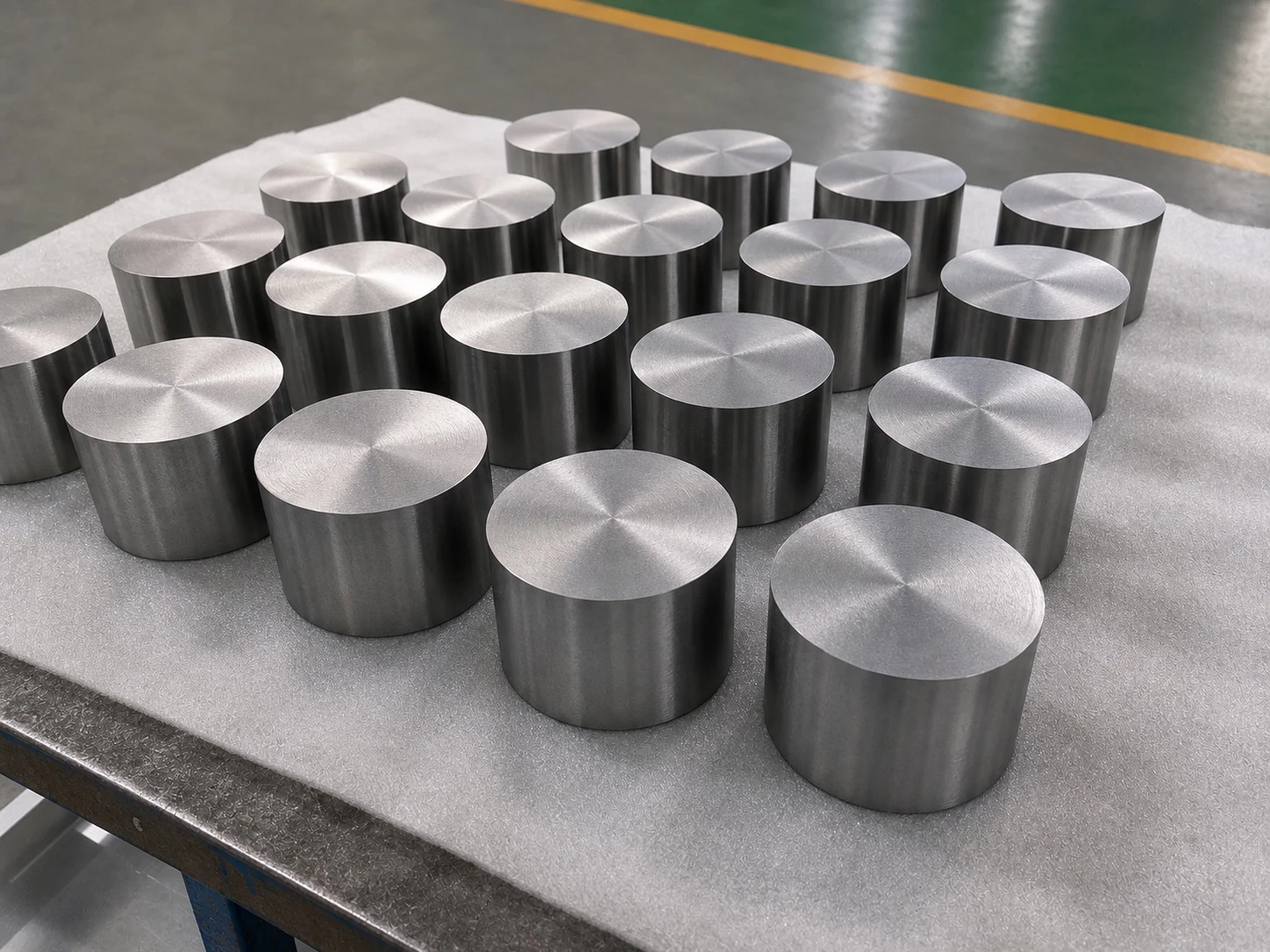
At each split, the buyer needs more than a copied certificate. The identity chain should show which heat or lot entered the route, which piece was created, what processing occurred, which inspection records belong to that piece and what final release document follows it into the next organization.
This is where Theseus is commercially useful even for buyers that do not adopt that specific platform. It names the missing layer: physical product identity must survive the handoff from raw stock to finished part. For titanium exporters, processors and distributors, that makes traceability a product feature, not an administrative afterthought.
The Material-to-Part Identity File
A practical buyer response is a material-to-part identity file. It is not a replacement for an MTR or a certificate of conformity. It is the bridge that proves the MTR, traveler, inspection record and shipment document still describe the exact item being released.
| Evidence layer | Buyer question | Titanium records to request |
|---|---|---|
| Material entry | Which heat, lot, grade and product form started the route? | MTR, heat number, alloy grade, product form, dimensions and incoming inspection status |
| Physical identity | How is the material or part identified after receipt? | Permanent mark, tag, barcode, photo record, sealed package ID or digital identity reference |
| Split record | What happens when bar, billet, plate or tube is cut into multiple items? | Cut plan, traveler, piece count, remnant control, new IDs and link back to the parent heat |
| Process route | Which operations changed the material state? | Machining, heat treatment, forming, welding, NDT, surface treatment and subcontractor records |
| Document link | Which documents belong to this exact item? | MTR, certificate of conformity, inspection report, FAA 8130-3, EASA Form 1 or customer release packet when applicable |
| Receiving check | Can the buyer verify the identity at the dock? | Packing list match, label check, visual record, dimensional spot check and document cross-check |
| Exception control | What happens when a mark, tag or document does not match? | Quarantine rule, nonconformance report, deviation approval, replacement record and customer notice |
The file should follow the product, not only the supplier. A supplier name can stay the same while a lot changes, a subcontractor changes, a drawing revision changes or a shipment is split. The buyer’s risk sits at the item level.
What Buyers Should Ask Now
For titanium bar, billet and forging buyers, the first question is how parent material becomes piece-level identity. If one lot becomes twenty blanks, each blank needs a visible link back to the parent material and to its own processing record.
For plate, sheet and tube buyers, the risk is often in cutting, packing and document handoff. A clean package should show which sheet, cut block or tube bundle belongs to which certificate and whether any remnant or substitute material entered the shipment.
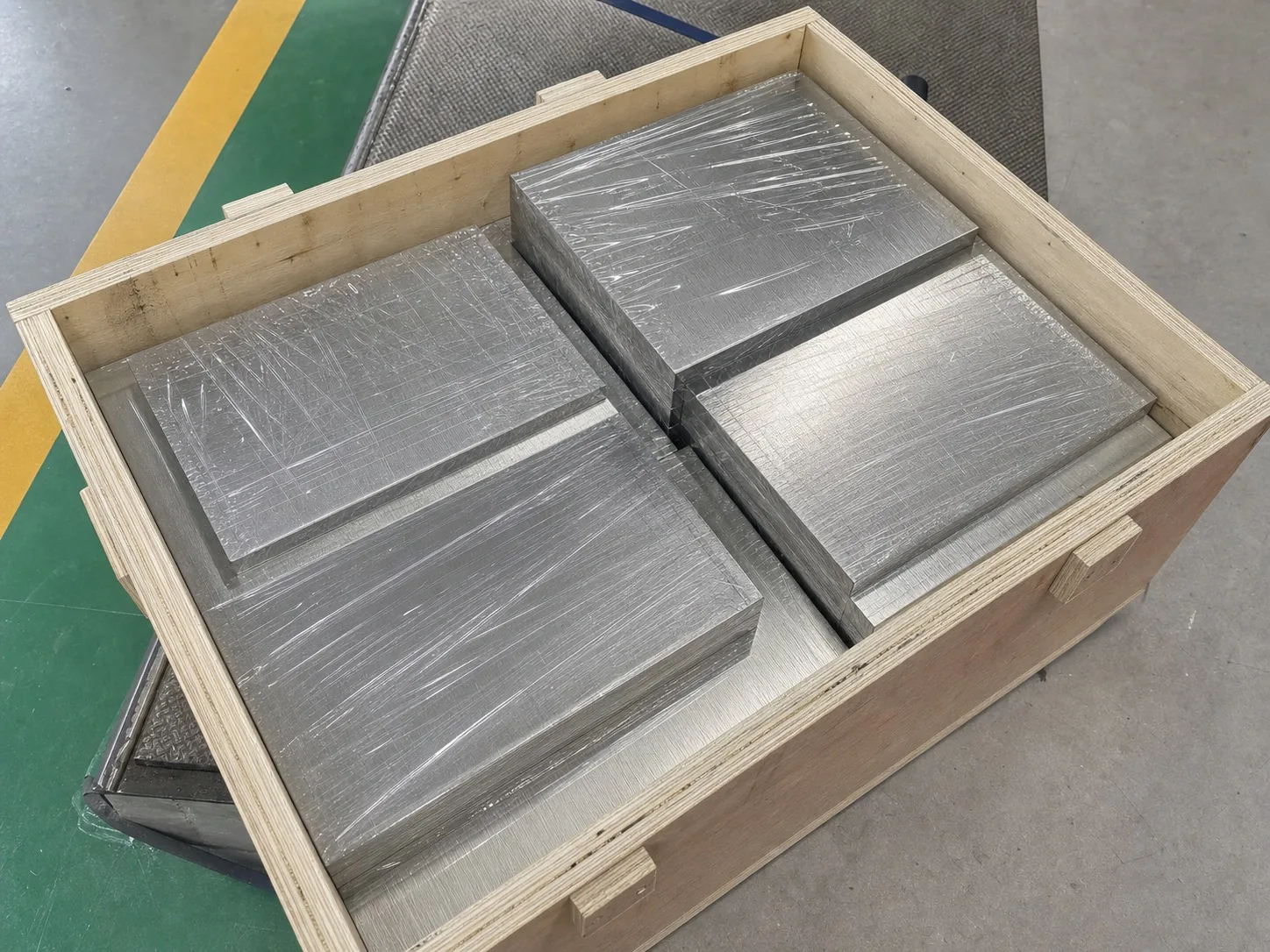
For machined titanium component buyers, the strongest request is a route-level packet: material identity, drawing revision, machining traveler, special-process records, inspection evidence, release status and packaging record. If the part is aerospace, medical, pressure-service or semiconductor-related, the purchase order should state which release documents must be available before shipment.
For distributors, the file is a way to avoid becoming the weak link. When material moves through storage, cutting, repacking and export documentation, the distributor should preserve the link between the physical item and the original certificate instead of relying on a generic stock label.
What Not To Overread
Theseus is a technology signal, not a universal mandate. Many industrial titanium orders will not need diamond-particle markers, AI document review or aerospace-grade digital thread systems. A chemical plant buyer ordering Grade 2 plate for non-flight use may need disciplined lot traceability, but not the same authentication stack as an MRO receiving flight-critical parts.
The lesson is more durable than the tool. Titanium buyers should define where identity can break: at receipt, at cutting, at subcontract processing, at inspection, at packing or at final certificate issue. Then they should decide how much proof the application requires.
That keeps the article away from hype. The right question is not whether every titanium part needs a new tag. The right question is whether the buyer can prove, at release time, that the part in the crate is the part described by the records.
Buyer Takeaway
Theseus matters because it makes a hidden titanium procurement problem visible. The alloy grade can be right while the identity system is weak. A certificate can be real while it is attached to the wrong item. A supplier can be approved while a split lot, outsourced step or repacked shipment creates a new traceability gap.
For titanium product buyers, the next level of due diligence is a material-to-part identity file. It should connect material entry, physical identity, split history, process route, document link, receiving check and exception control before the product leaves the supplier. In high-value titanium work, trust is no longer only written on paper. It has to stay attached to the part.
FAQ
# What is a material-to-part identity file for titanium products?
# Why is paper-only traceability risky for titanium parts?
# Do all titanium buyers need physical markers like Theseus?
# What should buyers request when titanium material is cut into multiple parts?
Need this material? Get a factory-direct quote.