ROE's Passivity Plus: Why Dental Titanium Buyers Need a Passive-Fit Evidence File
ROE Dental Laboratory’s May 2026 launch of Passivity Plus is easy to read as a dental product announcement. For titanium buyers, the more useful signal is narrower and more durable: a Grade 5 titanium certificate does not, by itself, prove that a small medical or dental component will fit, release, and remain traceable inside a full-arch workflow.
ROE’s May 20 announcement describes Passivity Plus as an FDA 510(k)-cleared, self-adjusting titanium coping for full-arch implant restorations. The company says the device is manufactured from Grade 5 Titanium, Ti-6Al-4V-ELI, and is intended to address subtle fit discrepancies across digital and analog restorative workflows. The same announcement also names connection details such as a 25 N cm torque value and a 5-degree-per-side body taper.
That is not a story about bulk titanium demand. It is a reminder that medical and dental titanium procurement often fails at the interface between material identity, machining control, dimensional evidence, and regulatory documentation.
The News Is About Fit, Not Only Alloy
Titanium suppliers are used to treating alloy identity as the first serious gate. That is still true. A buyer asking for medical or dental titanium parts should not accept vague “titanium alloy” language when the finished component depends on a specific grade, heat, chemistry, mechanical property record, and quality system boundary.
But the passive-fit problem is a different layer of risk. A coping, abutment, framework, screw-retained bridge, or custom machined interface is not accepted only because the alloy is appropriate. It must connect to a known system, follow a controlled geometry, hold tolerances after machining or post-processing, and release through evidence that is specific to the intended workflow.
The distinction matters for export suppliers of titanium bars, precision blanks, and machined titanium components. A round bar or billet may be the correct input. A material test report may be authentic. Yet the buyer still has to know whether the downstream component route can preserve the interface that makes the finished case usable.
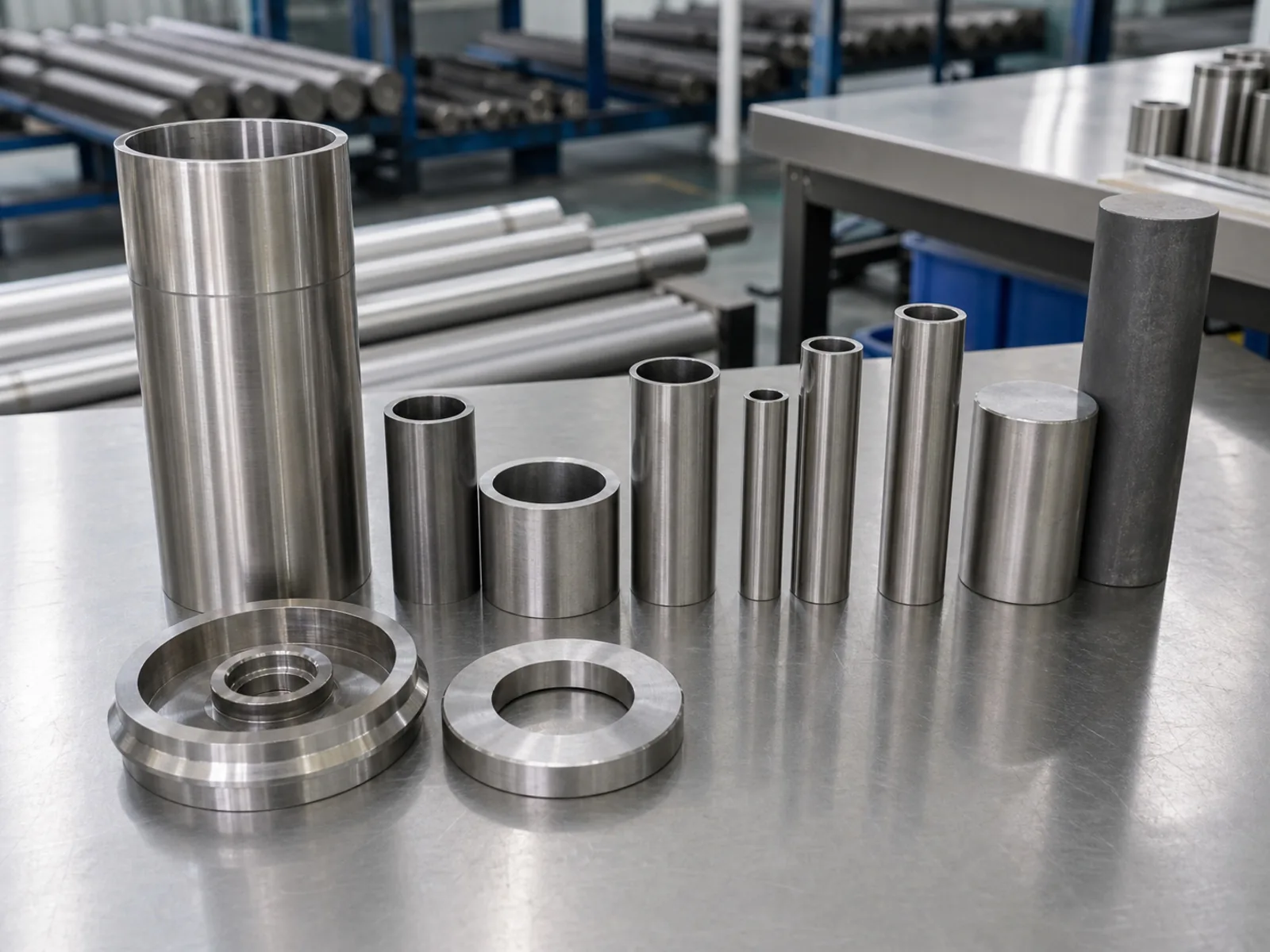
Passive Fit Turns Microns Into Buyer Risk
Implant prosthesis literature treats passive fit as a practical engineering issue, not a marketing phrase. A 2026 study in the International Journal of Implant Dentistry notes that implant superstructures and implant bodies or abutments must be connected in a passive fit state, without tension on retaining screws. The same paper explains that misfit can create continuous stress and that researchers have tried to evaluate passive fit with more objective torque-based methods.
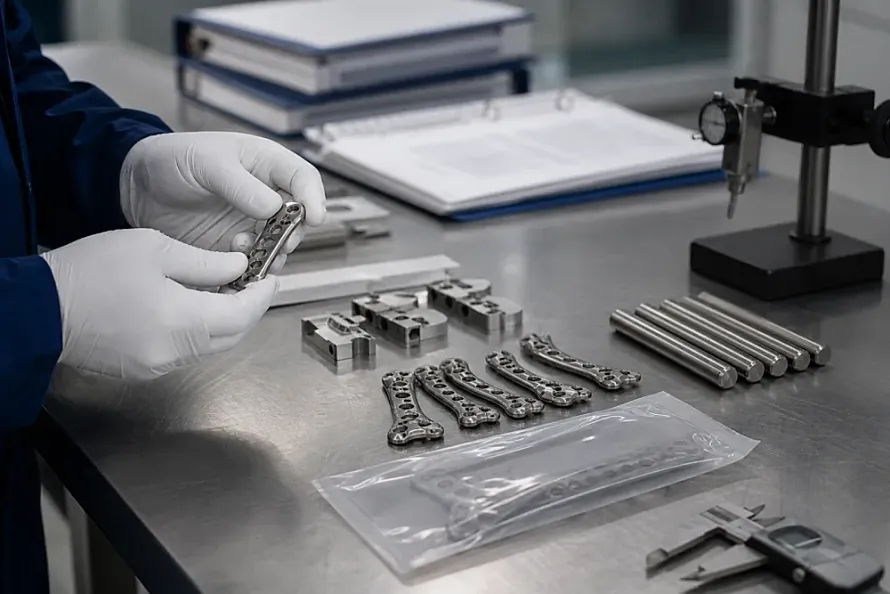
That context does not validate any one commercial product. It does explain why a titanium component buyer should not stop at alloy grade. Full-arch dental components can move through scanning, CAD design, milling, sintering, model work, finishing, cleaning, and final seating. Each step may be accurate on its own while still contributing to an accumulated interface problem.
For a titanium processor, this is the key mechanism: small medical and dental parts turn ordinary production records into fit evidence. The buyer is no longer asking only, “Is this Ti-6Al-4V-ELI?” The better question is, “Can this lot, drawing, interface, process route, inspection method, and release record prove that the part still matches the system it is supposed to join?”
A Passive-Fit Evidence File
The reusable file is not a single certificate. It is a compact chain of evidence that keeps material, process, and interface responsibility together.
| Evidence layer | What the buyer should verify |
|---|---|
| Material identity | Alloy grade, heat number, chemistry, mechanical properties, material test report, and any claimed ASTM or ISO material basis. |
| Interface definition | Implant or abutment compatibility boundary, drawing revision, CAD library version, screw channel, seating surface, and any torque or connection requirement supplied by the device owner. |
| Machining route | CNC program control, fixture method, tool-wear limits, burr control, post-machining cleaning, surface finish, and segregation between prototype and production runs. |
| Dimensional verification | CMM, optical scan, gauge, microscope, or fit-check record tied to the exact drawing and lot. The method should match the risk of the interface, not only the convenience of the shop. |
| Release documentation | Certificate of conformity, inspection report, nonconformance closure, subcontractor records, packaging label, and traceability from raw stock to finished component. |
| Change control | Material source change, machine change, CAD revision, surface process change, cleaning change, packaging change, or subcontractor change notice. |
This framework is useful even when the buyer is not purchasing a finished dental device. If a supplier sells titanium bar stock for medical machining, the file helps define which material facts must survive into the customer’s device record. If the supplier machines titanium components, the same file helps separate commodity production from regulated-interface production.
Where Titanium Suppliers Enter The Chain
The strongest role for a titanium mill-product or machining supplier is not to claim that every Grade 5 part is device-ready. That would overstate the evidence. The stronger role is to make the upstream record easy for the medical or dental customer to carry forward.
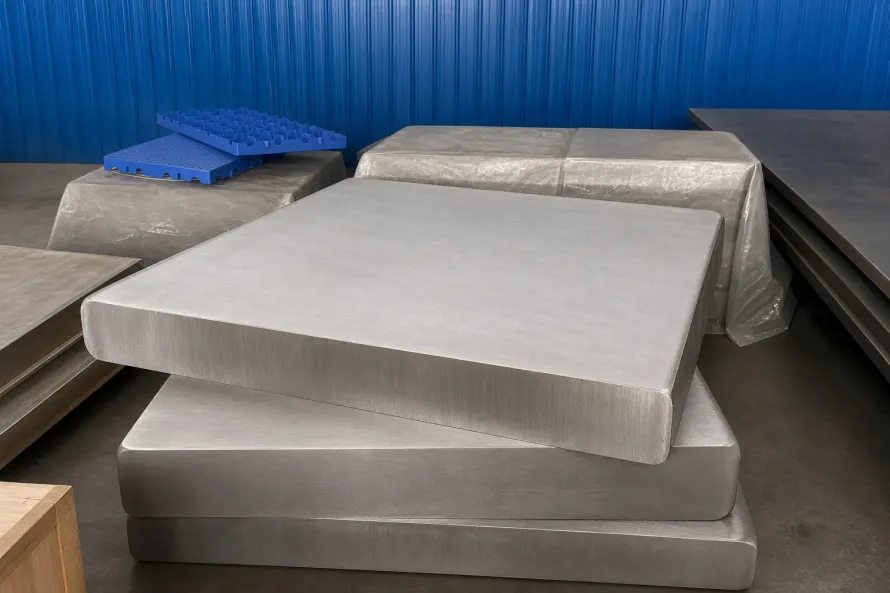
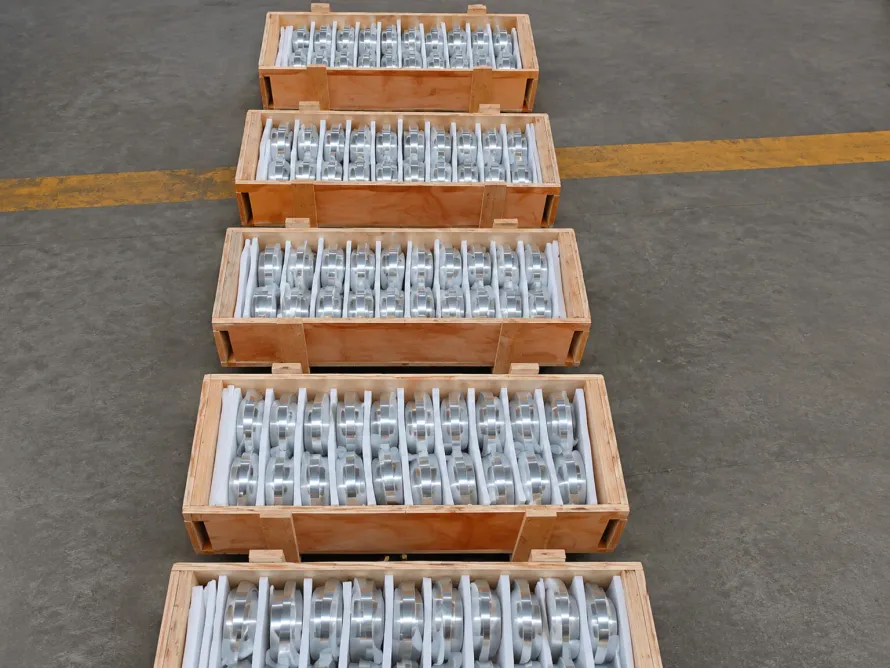
For titanium bars, that means clean heat traceability, consistent diameter and straightness control, documented mechanical properties, surface condition clarity, and packaging that protects the material before machining. For machined titanium blanks or components, it means drawing control, dimensional inspection, burr and contamination control, and lot-level records that do not break when a part is moved to polishing, cleaning, assembly, or packaging.
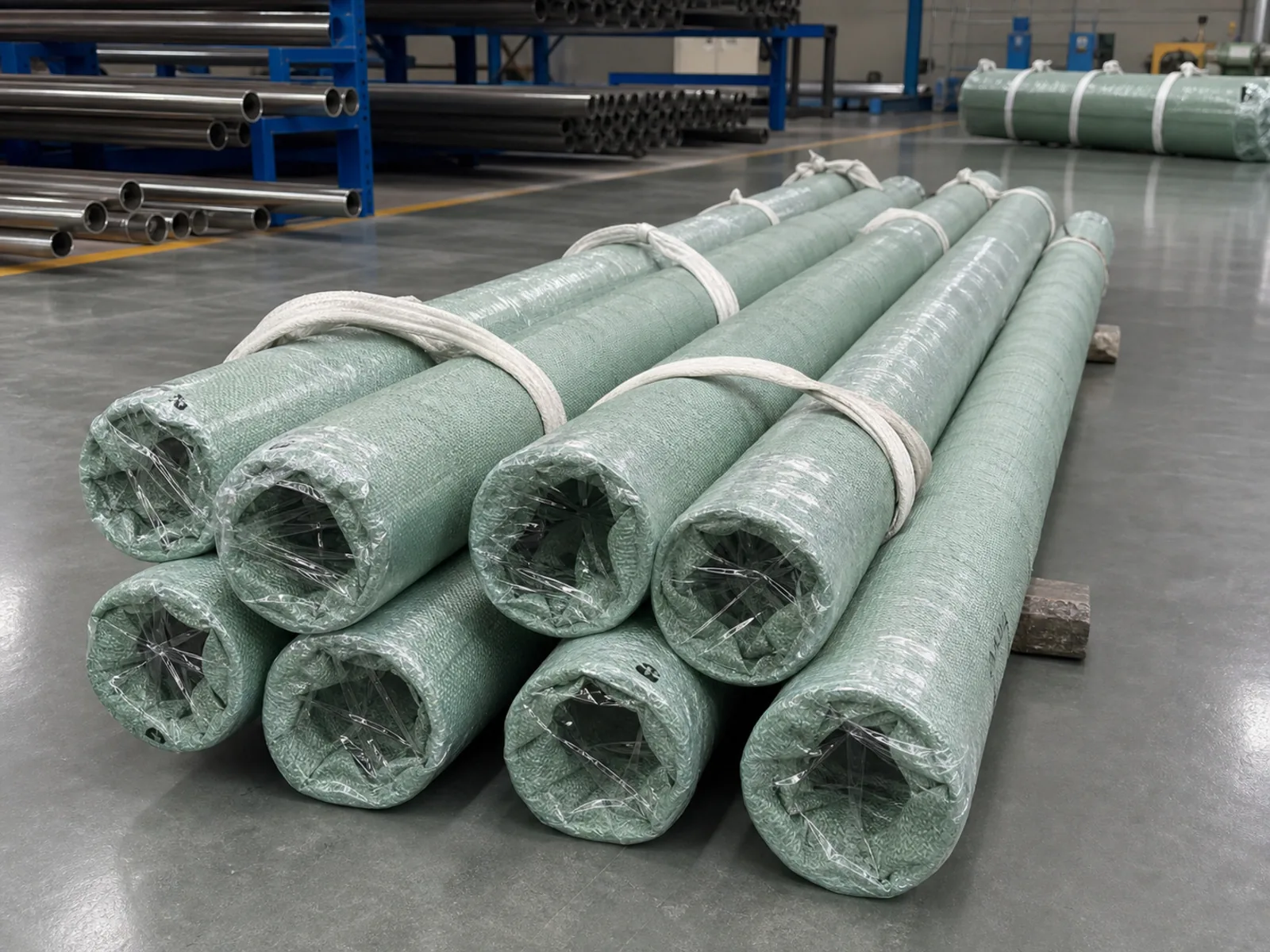
The ROE announcement also shows why compatibility language has to be handled carefully. A supplier should not casually say a part is compatible with “major systems” unless the exact interface, authorized design source, test method, and customer responsibility are known. In medical and dental work, broad compatibility claims can create more risk than value if they are not backed by a documented boundary.
What Buyers Should Not Overread
ROE’s release and knowledge-base pages describe Passivity Plus as FDA-cleared. FDA’s general 510(k) materials explain that the process allows the agency to determine whether a device is equivalent to a device already placed into a classification category, and that significant changes in design, material, chemical composition, manufacturing process, or intended use can require review.
For titanium buyers, that means two things. First, a 510(k) statement belongs to the device and its cleared scope, not automatically to every titanium input, blank, coping, or similar-looking component. Second, if a buyer changes material source, machining route, interface geometry, surface process, cleaning route, or use case, the evidence file has to be reviewed before the part is treated as equivalent in practice.
That is why regulatory wording should stay precise. A titanium supplier can provide material and process evidence. The device owner or regulated manufacturer determines how that evidence fits into the device record, labeling, clearance, validation, or customer release process.
The Practical Test
The practical test for dental and medical titanium procurement is simple: could a quality reviewer reconstruct the finished component’s responsibility without calling five people?
If the answer is no, the buyer does not yet have a passive-fit evidence file. It may have a material certificate. It may have a drawing. It may have an inspection sheet. It may even have a device claim from another party. But the buyer still lacks the connected record that explains how the titanium material became a controlled interface.
That is the broader lesson from the Passivity Plus launch. In precision medical and dental workflows, titanium value is not only corrosion resistance, strength, or biocompatibility. It is the supplier’s ability to keep alloy identity, machining discipline, fit verification, release records, and change control aligned until the part reaches the workflow where microns matter.
FAQ
# What is a passive-fit evidence file for dental titanium buyers?
# Why is Grade 5 Titanium not enough by itself?
# What records should a titanium supplier provide for medical or dental machining?
# How should buyers treat FDA 510(k) statements in titanium procurement?
# Does the passive-fit evidence file apply only to finished dental devices?
Need this material? Get a factory-direct quote.