H.R. 5334 Is Signed: Titanium Importers Need Official Duty Terms Before Repricing
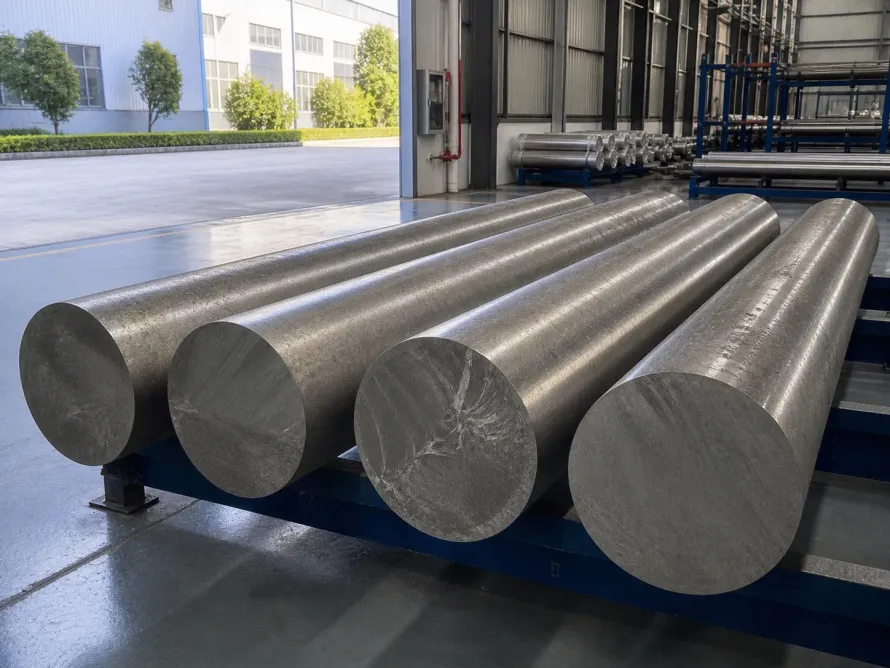
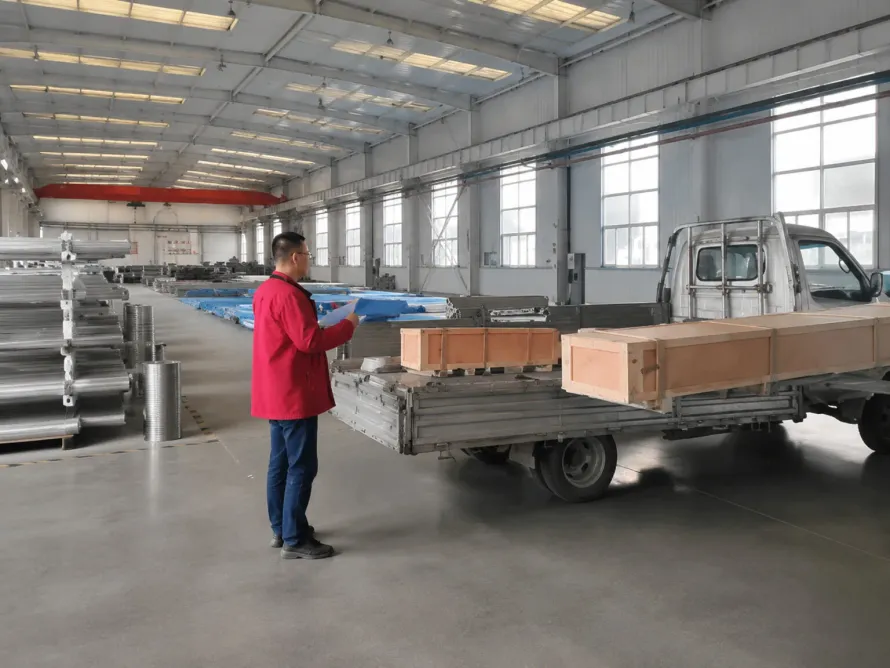
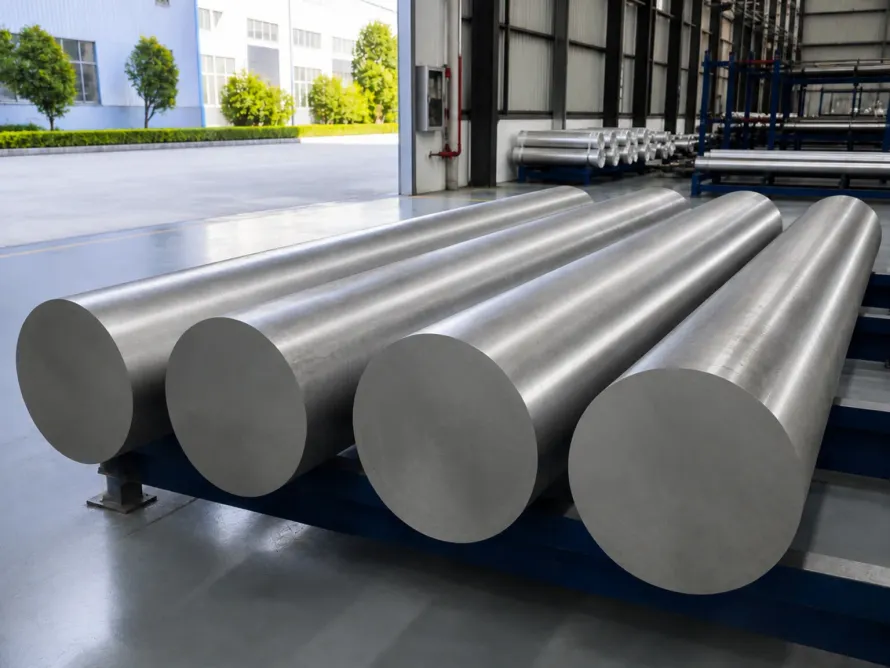
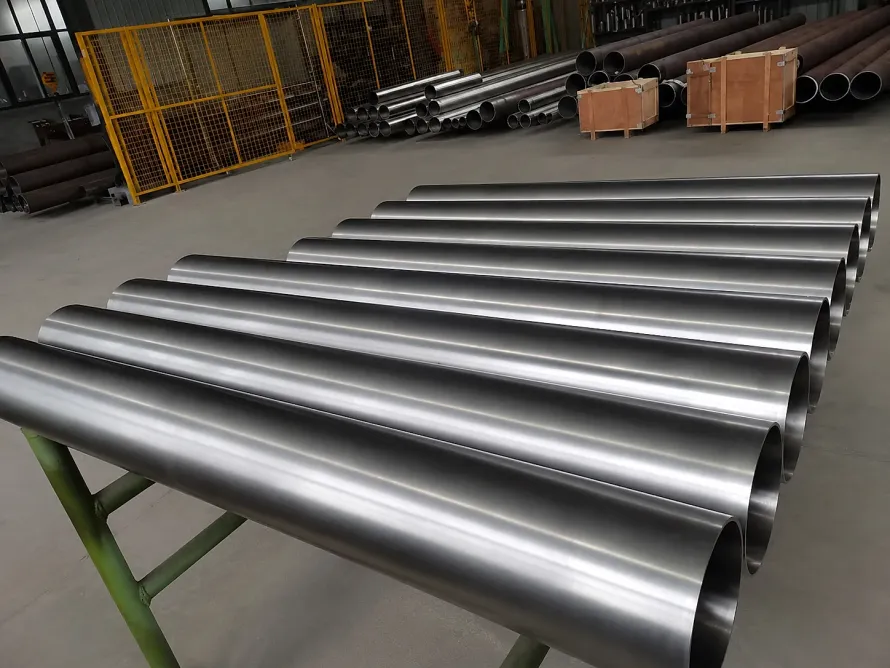
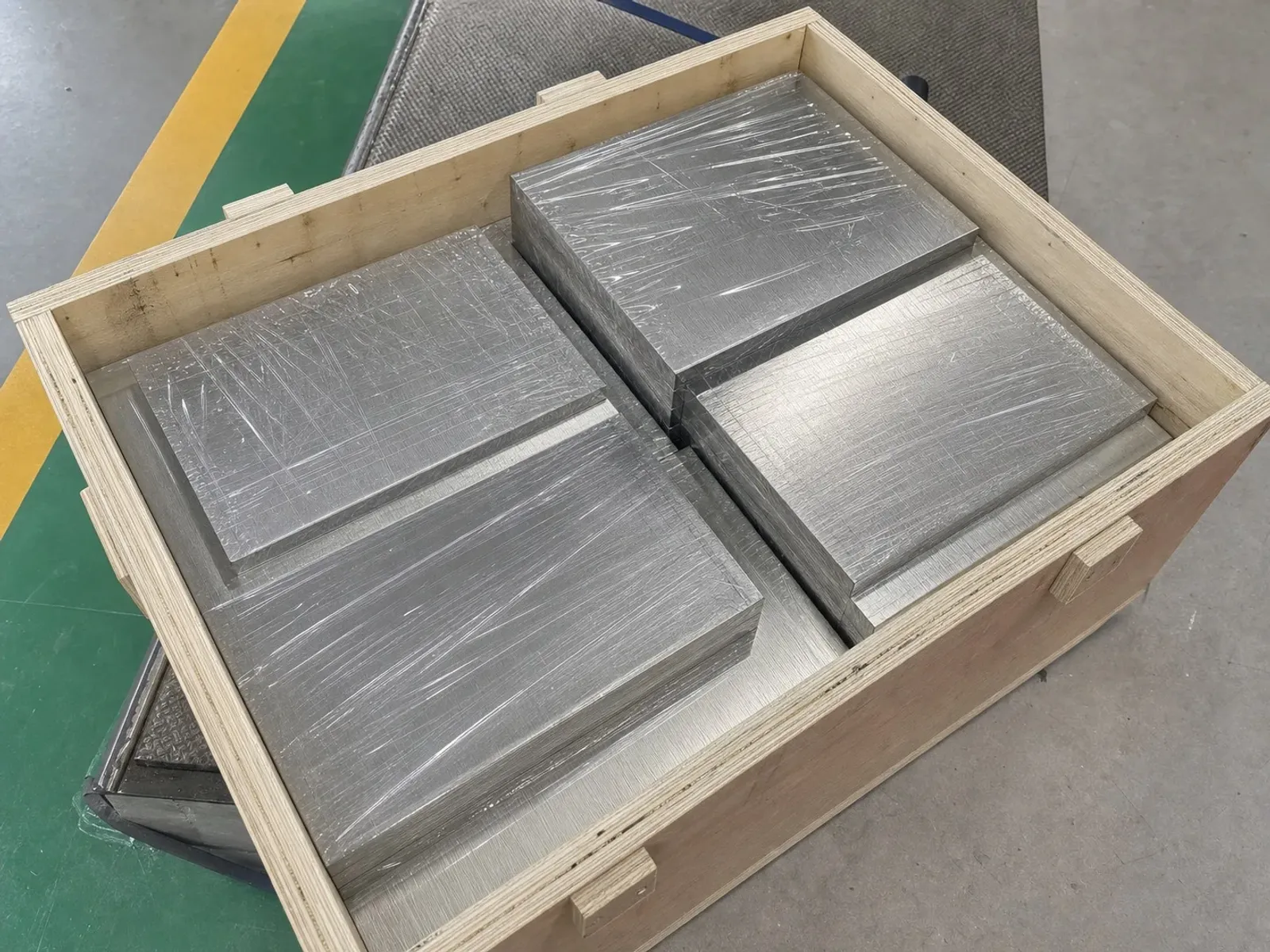
Plate form and packaging illustrate an article to identify in import records; no origin is shown.
The President signed H.R. 5334 into law on September 18, 2026. Its enrolled text directs the President to raise duties within 30 days on goods imported from Russia and from countries meeting specified Russian energy or sanctions-evasion tests. For a U.S. titanium importer, the change makes origin and open-order exposure worth checking now. The text gives upper limits for later rates; the signing announcement does not supply a rate or entry date for a particular titanium shipment.
- Russian-origin goods: Section 112 calls for a rate of up to 500% ad valorem on goods imported from Russia, in addition to other applicable charges.
- Qualifying third countries: Section 113 calls for a rate of up to 100% only for countries meeting its stated tests. A buyer cannot apply that ceiling to every titanium origin.
Two duty routes, each tied to origin
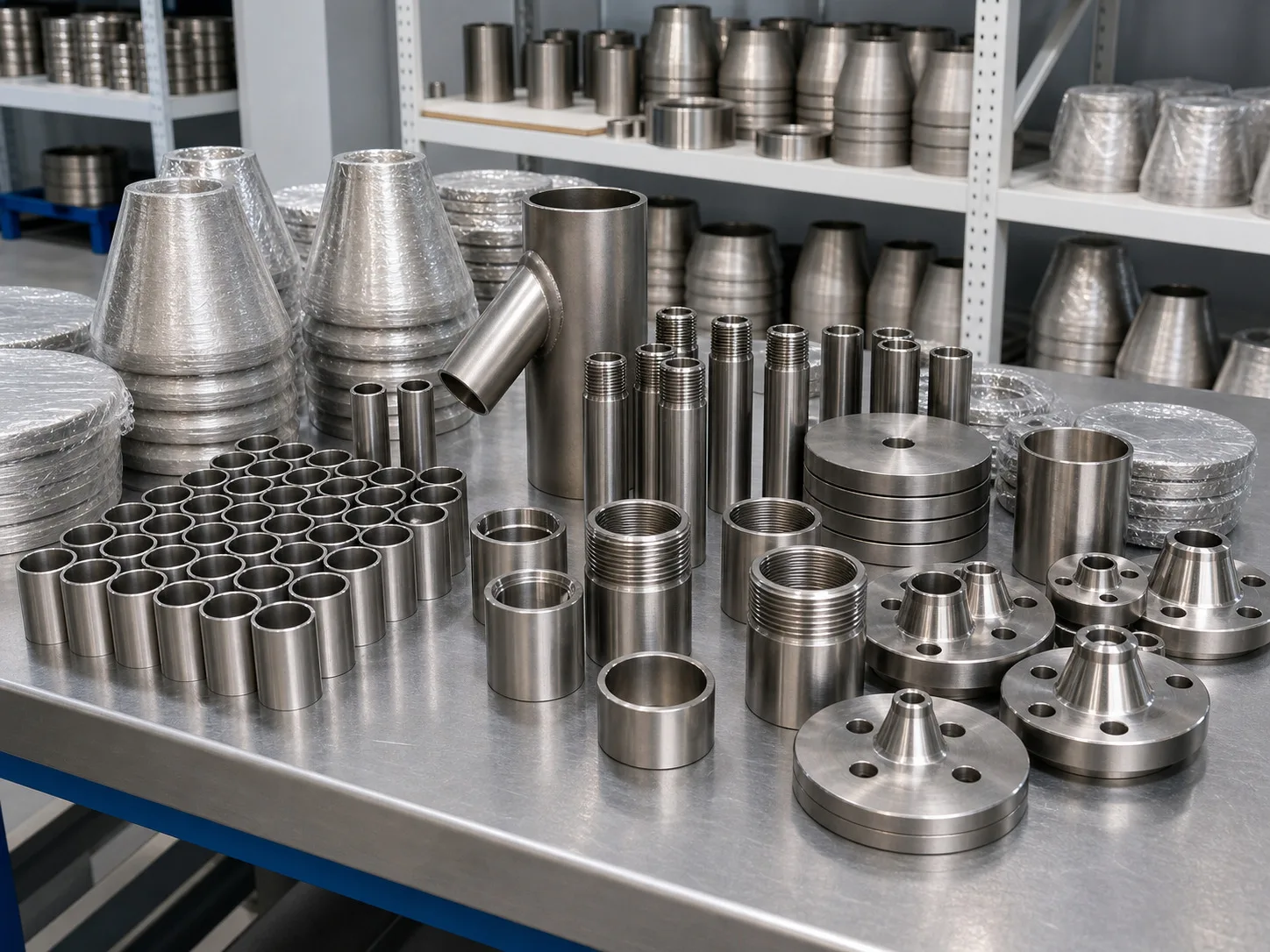
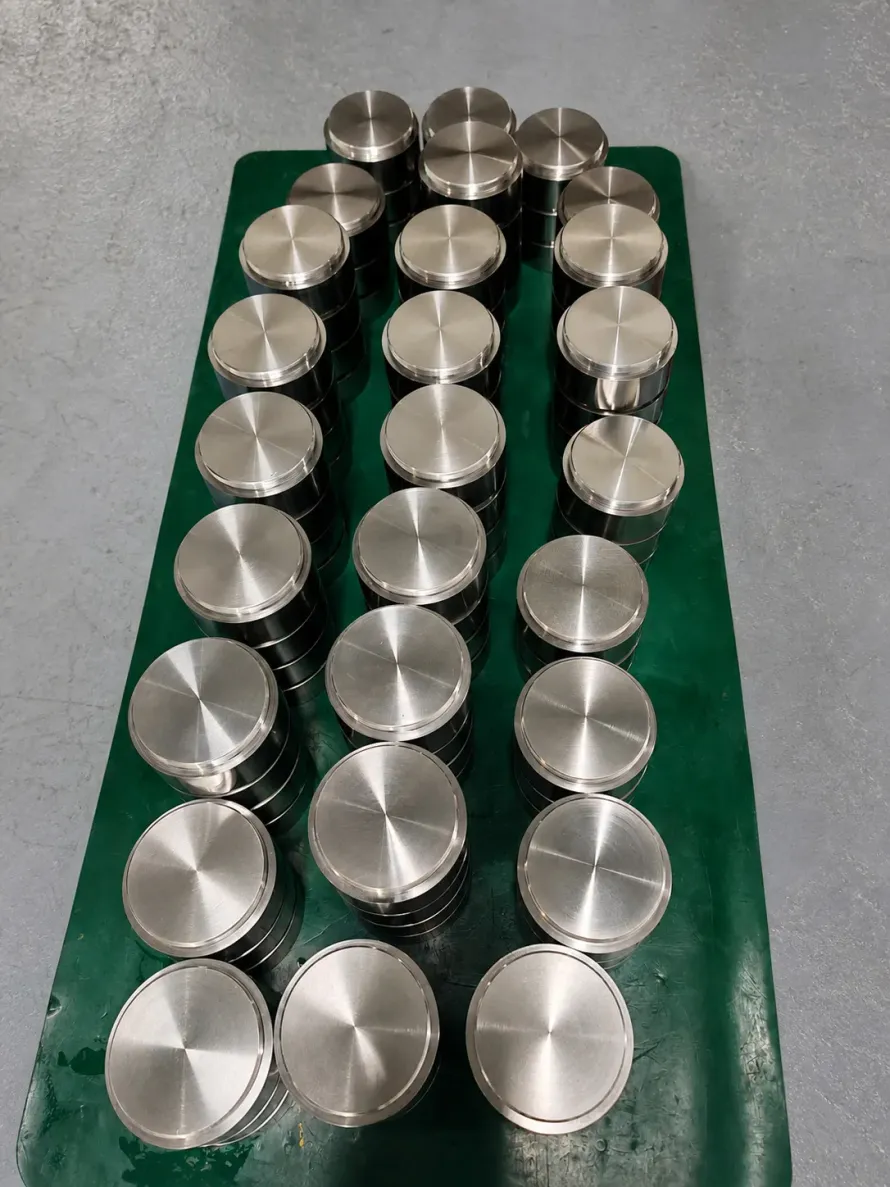
Machined parts illustrate a different imported-article form from the plate image; origin is not shown.
Section 112 covers all goods imported from the Russian Federation and tells the President to increase the rate within 30 days of enactment. Section 113 separately covers goods from a country meeting either of two tests. The energy-purchase route requires both a knowing new purchase of Russian-origin crude oil or natural gas on or after the date 30 days after enactment and a place among the five largest importers of that energy during the 12 months before enactment. The other route covers a country among the five largest facilitators of Russian oil sanctions evasion during the 12 months before enactment. Section 113 also requires a written justification to congressional committees at least 10 days before imposing or changing a duty under that section.
Neither section names a titanium grade, mill form or finished part. Its wording makes the imported good’s country treatment central to an exposure review. A titanium sponge purchase, a plate made through more than one country, and a machined part should therefore be screened as their actual imported articles, with the importer and customs broker confirming the governing origin and HTS treatment. Russian feedstock in a supply chain, by itself, is not a substitute for that determination.
What can be checked before a price changes
For open U.S. orders, an importer can first identify the imported article, its documented origin, HTS classification, importer of record, expected entry window and current duty treatment. Match those facts to the affected purchase order and quotation terms. This is a targeted exposure file: it shows which orders need a later rate check without assigning a new percentage to every order today.
The enacted text says duties under Sections 112 and 113 are additional to other applicable duties, including specified trade remedies and Sections 232 and 301. It also contains exceptions and a presidential waiver mechanism. Before turning a scenario into a landed-cost figure or a shipment hold, the importer needs the applicable official country and rate action, any relevant exception or waiver, and the implementation terms for that entry. The 500% and 100% figures are statutory ceilings, not rates established by the White House signing notice for every titanium shipment.
Sources
- The White House, “Congressional Bill H.R. 5334 Signed into Law”, September 18, 2026.
- U.S. Government Publishing Office, H.R. 5334 enrolled bill, September 18, 2026, Division A, Sections 112–115.
FAQ
# Does H.R. 5334 signing impose a 500% duty on my titanium shipment?
# Which titanium origins could be affected?
# When should an open order be repriced or held?
Need this material? Get a factory-direct quote.