Type something to search...

News Posts

Manufacturing and Technology
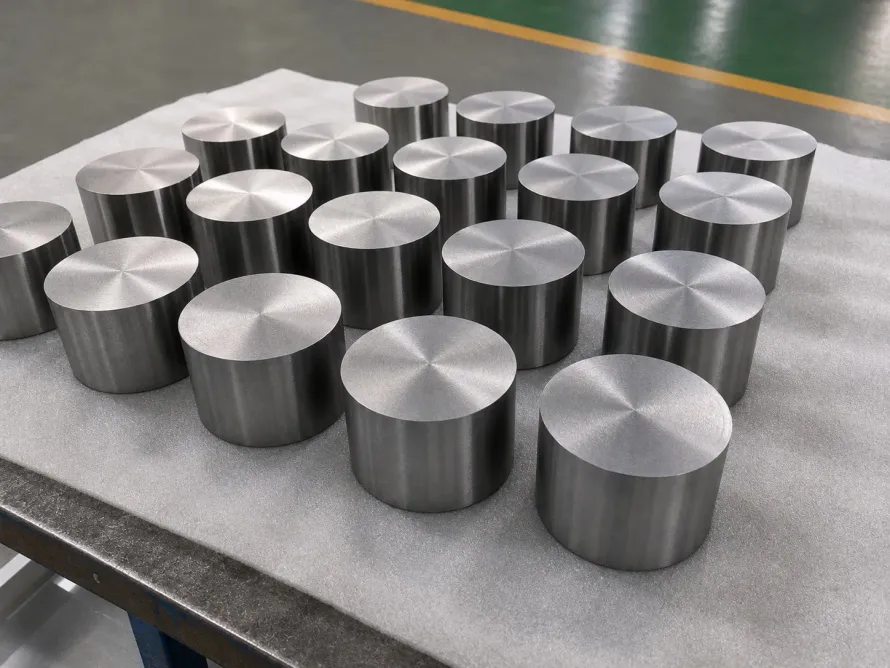
Generic titanium processing workshop, used here to illustrate that powder innovation still has to pass through controlled manufacturing and release evidence.
By Jason/ On 13 Jul, 2026

TiRO Powder Benchmark Release Evidence for Titanium Buyers

On 2026-07-08, the Advanced Manufacturing Cooperative Research Centre announced a project led by Coogee Titanium with the University of Queensland to assess TiRO powder for high-quality titanium components. VoxelMatters reported the project value as AU$677,000 (US$469,000) on 2026-07-09. The public facts are specific enough to matter for buyers. The project will benchmark TiRO powder against gas atomised and hydride-dehydride powder, study how magnesium and chlorine trace impurities affect microstructure and mechanical performance, and test powder through Laser Powder Bed Fusion, written here as L-PBF/LPBF, and Hot Isostatic Pressing, or HIP. AMCRC framed the work as a step toward an Australian titanium component supply chain from raw materials to finished parts, with possible use in aerospace, defence and medical manufacturing. That is a serious supply-chain signal. It is not a release decision. For titanium product buyers, the useful question is not whether a national powder route sounds promising. The useful question is whether the benchmark data can be converted into a release file for the exact powder lot, build route, HIP cycle, machined part or finished component being purchased. Benchmarking Is Not ReleaseCoogee Titanium describes TiRO as a titanium powder process developed with CSIRO, using a continuous route for direct powder production. Metal AM also describes TiRO as Titanium Recovery from Oxide and notes its direct titanium powder production route. Those process claims help explain why the project is interesting: if a lower-emission or lower-cost feedstock route can be proven, it could change where powder buyers look for supply. But titanium qualification does not move on process promise alone. Powder has to become a controlled input. The input has to survive a manufacturing route. The route has to produce stable microstructure and properties. Then the output has to match the buyer's product form and release language. That is why the AMCRC project is valuable even before it publishes final data. It identifies the right comparison problem. TiRO powder is not being treated as interchangeable because it is local or because it comes from a different process. It is being benchmarked against gas atomised and HDH powder, with impurity effects and downstream manufacturing routes placed in the same evidence path. For procurement teams, that changes the reading of the news. The project is not a shortcut around qualification. It is a reminder that any new titanium powder source has to earn its way into the buyer's approved route through evidence that can be reviewed, repeated and tied to product release. This is the same discipline behind the restart-to-release evidence for titanium powder and capacity-to-release evidence buyers already apply to existing powder supply. The Benchmark-to-Release File A practical buyer response is to ask for a benchmark-to-release file. This is not a marketing summary. It is the evidence bridge between a research result and a released titanium product.Evidence layer Buyer question Why it mattersFeedstock identity Which TiRO powder lot, chemistry range and production route are being evaluated? A process name is not enough for qualification unless the material boundary is clear.Benchmark baseline Which gas atomised and HDH powders were used as comparators? A benchmark only helps buyers if the baseline resembles the powder already qualified or commercially available.Impurity map How were magnesium and chlorine measured, and how did they affect microstructure or mechanical performance? Trace impurity effects can decide whether a feedstock is suitable for aerospace, defence, medical or industrial use.Powder condition What particle size distribution, morphology, flowability, oxygen and handling data travel with the lot? Powder performance in AM or HIP routes depends on more than the alloy name.Manufacturing route Was the material tested through L-PBF/LPBF, HIP, or both, and under what fixed process windows? A powder result is not a part result until it is tied to the route that will make the product.Post-processing bridge What heat treatment, HIP cycle, machining allowance and surface condition were used after consolidation or printing? Finished titanium products often fail or pass through the downstream route, not at the powder headline.Property proof Which microstructure, tensile, fatigue, density, chemistry and inspection records support the result? Buyers need product-relevant evidence, not only feedstock characterization.Release language What CoA, MTR/MTC, concession status and change-control rules will be available for customer shipments? The final document has to say what is actually released, not just what was successfully tested.This framework matters because titanium buyers rarely buy "powder innovation" as an end product. They buy powder for AM. They buy HIP-consolidated preforms. They buy bars, plates, tubes, forgings or machined titanium components that may inherit risk from a powder route. In each case, the benchmark file has to travel forward until it meets the product release decision. What Buyers Should Not OverreadThe current public record does not show final TiRO benchmark results, customer qualification approvals, powder size ranges, full chemistry tables, mechanical-property data, HIP cycle parameters, L-PBF/LPBF build files, production allocations or customer certificates. It also does not show that any specific aerospace, defence or medical component has been released from the project. That limitation is not a weakness in the news. It is the stage of the work. The project is designed to generate the evidence that would later let buyers judge whether TiRO powder can move from research, trial builds and benchmark coupons into a controlled supply route. The next RFQ should therefore avoid broad questions such as "Is this local titanium powder qualified?" Better questions are sharper: Which benchmark powders were used? What impurity levels were measured? Which L-PBF/LPBF and HIP process windows were locked? Which product form is the data meant to support? What certificate language will be available? What process or chemistry change triggers buyer notification? For a titanium product supplier, the same logic applies downstream. If a buyer asks about parts linked to a newer powder route, the answer should not stop at feedstock origin. It should connect the powder lot to conversion route, heat treatment, inspection, machining, retained samples, CoA, MTR/MTC wording and change control, the same way an AM data-package release evidence file or a heat-treatment-to-release evidence file closes the loop. The restrained conclusion is the useful one. The Coogee, University of Queensland and AMCRC project is a credible powder-to-component signal. It becomes buyer-ready supply only when the benchmark work turns into a release file that quality teams can attach to a real powder lot, AM build, HIP part or finished titanium product.

Manufacturing and Technology
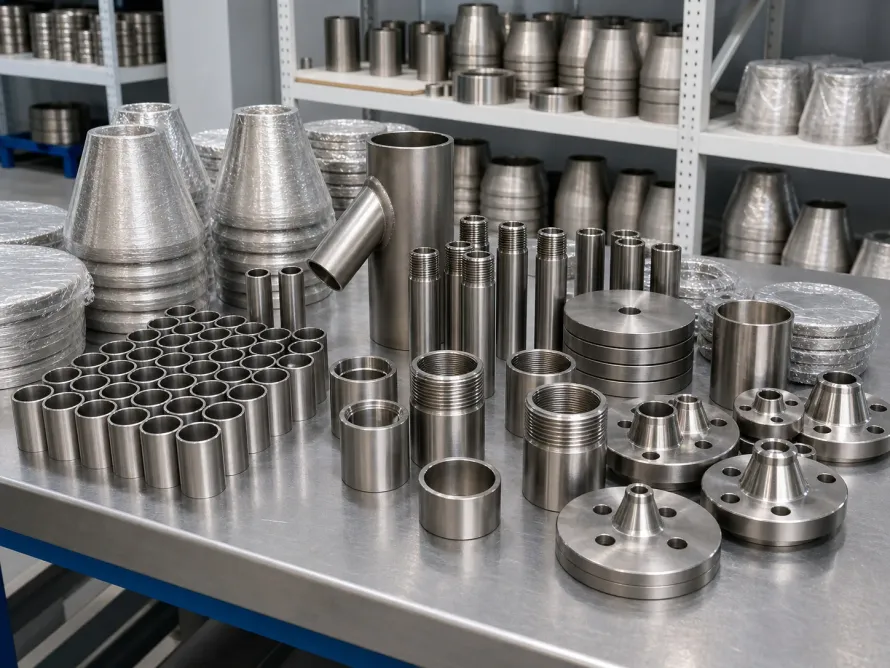
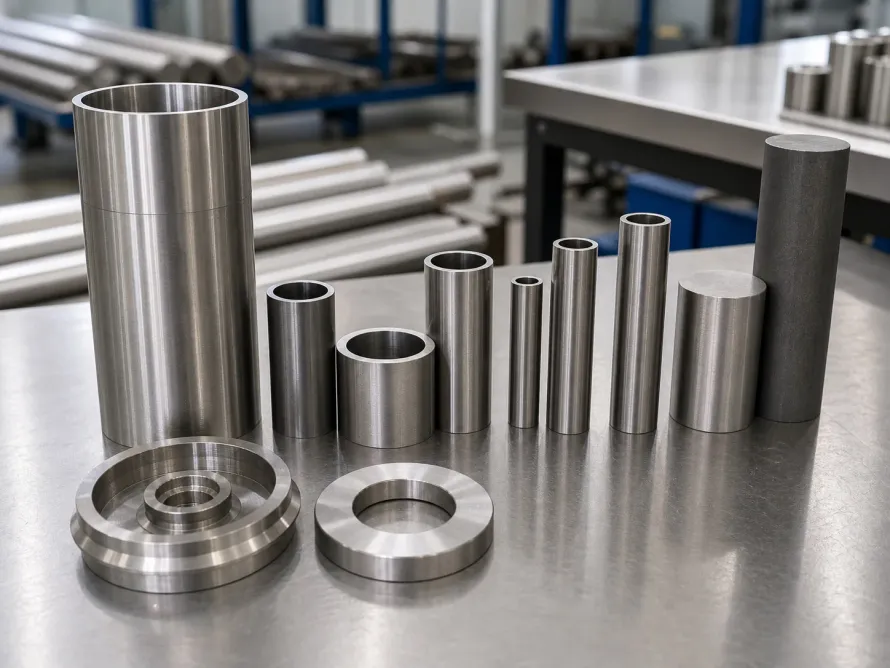
Titanium-like sample parts on a clean workshop table, illustrating how powder supply still has to become released product evidence.
By Jason/ On 12 Jul, 2026

Titanium Powder Restart Release Evidence for Buyers

Amaero's restart of titanium powder production is more than a capacity headline. On 2026-07-09, the company said production had resumed after a six-week pause. The pause followed safety incidents in May, and Amaero said it completed a comprehensive review of process, systems and facility safety with Jensen Hughes, followed by remediation and improvements. It also said there were no purchase order cancellations and no employee attrition during the pause. For titanium buyers, the important point is not simply that a powder line is running again. The useful procurement question is whether restarted production can be connected to a release file for the exact powder lot, downstream AM build, PM-HIP component or machined titanium product being purchased. That distinction matters because the restart sits on top of a larger capacity story. On 2026-06-22, Amaero said it had commissioned 3 EIGA atomizers, with 1 atomizer dedicated to refractory alloys and 2 atomizers dedicated to titanium alloys. The same announcement described approximately 480 tons of titanium alloy powder capacity, approximately 200 tons of refractory alloy powder capacity, completion of a 3-year A$72 million capital investment plan, an argon recycling plant scheduled for 1Q CY2027, and a 4th EIGA scheduled for June 2027. Those facts support a serious supply-chain signal. They do not, by themselves, release any powder lot. A buyer still has to ask how the restarted process was bounded, which equipment and handling controls apply, what powder characteristics were tested, how packaging and retained samples were handled, and which certificate language travels with the shipment. Restart Is Not the Same as ReleaseTitanium powder is not ordinary inventory. A Metal AM technical article explains that titanium powders below 45 microns are generally considered a flammability hazard, and that safe facility decisions depend on powder testing such as ASTM E-1226 screening, MIE, MIT, Pmax, Kst, LOC and MEC. NOAA CAMEO Chemicals describes dry titanium powder as easily ignited and notes that very finely powdered material may be ignited by sparks. OSHA's 2014 Powderpart release also treated titanium and aluminum powder hazards in 3D printing as established fire and explosion risks. That context is why Amaero's public list of remediation items is relevant to procurement, not only to plant operations. The company cited changes to standard operating procedures, equipment layout, designation of hot zones, relocation of control panels for remote activation, increased use of sensors, removal of PVC exhaust piping, redesign of dust filtration and exhaust systems, stricter PPE practices, and improvements to bonding and grounding. Those are meaningful restart controls. But for a buyer, they are still facility-level information. They need to be translated into lot-level evidence. A powder customer should not treat "production resumed" as equal to "my powder lot is ready for qualification, printing, PM-HIP consolidation or component release." This is the same discipline behind an exposure-to-release evidence file for titanium powder. Amaero's own product context reinforces the point. Its advanced materials page describes EIGA powder production, titanium among its specialty alloys, and powder use across defense, space, aerospace, medical and other critical industries. The more critical the application, the less useful a generic restart statement becomes unless it can be attached to the alloy, particle size distribution, chemistry, handling route and customer specification behind a specific shipment. The Restart-to-Release File A practical buyer response is to request a restart-to-release file. It should not be a general statement that the plant restarted. It should connect the restart boundary to the powder lot and the downstream product route.Evidence layer Buyer question Why it mattersRestart boundary Which production pause, remediation package and restart date apply to this lot? Prevents buyers from mixing pre-pause, restart-transition and post-restart material without a clear boundary.Equipment identity Which atomizer, collection route, sieving route and packaging route handled the powder? A capacity platform is not a lot record unless the equipment route is identified.Safety-control linkage Which SOP, hot-zone, sensor, exhaust, PPE, bonding and grounding controls applied during this run? Facility remediation only becomes buyer-relevant when it is tied to the production route for the lot.Alloy and PSD scope Which titanium alloy, particle size distribution and customer specification were produced? AM and PM-HIP users need powder characteristics that match process windows, not just alloy names.Chemistry and contamination What oxygen, nitrogen, hydrogen and relevant contaminant checks were recorded? Titanium powder quality can be affected by handling, atmosphere exposure and process changes.Handling and packaging What inerting, passivation, container, label and seal controls protected the powder after atomization? A clean production result can still lose value if packaging or transfer breaks traceability.Retained sample and testing Which retained sample, test method and retest trigger support the shipped lot? Restarted production may need extra buyer confidence until the route is stable over time.Release language What CoA, MTR/MTC wording, concession status and change-control trigger travel with the shipment? The final certificate must say what is actually released, not simply what capacity exists.This file is especially important when powder is only the first step. A buyer may be purchasing spherical titanium powder for AM. Another buyer may be purchasing a PM-HIP near-net-shape part. A third may be buying a machined component whose parent material came from powder metallurgy. In each case, the restart question should travel downstream until it meets the release decision for the purchased form. The same downstream logic runs through a powder-to-plate release evidence file, a data-package release evidence file for AM parts, and a heat-treatment-to-release evidence file for the thermal steps that follow. What Buyers Should Not Overread The public record does not show the exact safety incidents, regulator findings, post-restart lot certificates, customer approvals, PSD reports, oxygen or hydrogen results, retained sample plan, or shipment allocation. It also does not show that any particular AM build, PM-HIP part or machined titanium component has been released because production resumed. That limitation should be part of the buyer reading. A restart announcement can reduce supply anxiety. No purchase order cancellations can signal customer confidence. No employee attrition can suggest workforce continuity. Commissioned atomizers and 480 tons of titanium alloy powder capacity can support a stronger production platform. But none of those statements replaces a lot-specific release record. For titanium product buyers, the next RFQ should therefore avoid broad questions such as "Is production back?" and instead ask: Which post-restart lot is being quoted? Was it produced before or after the remediation boundary? Which atomizer and handling route applied? What PSD and chemistry are guaranteed? What certificate language will ship? What process changes require buyer notification? The restrained conclusion is the useful one. Amaero's restart is a positive supply-chain signal for U.S. titanium powder production. It becomes buyer-ready supply only when the supplier can attach the restart to a powder lot, a downstream route and a release file that quality teams can actually review.

Manufacturing and Technology
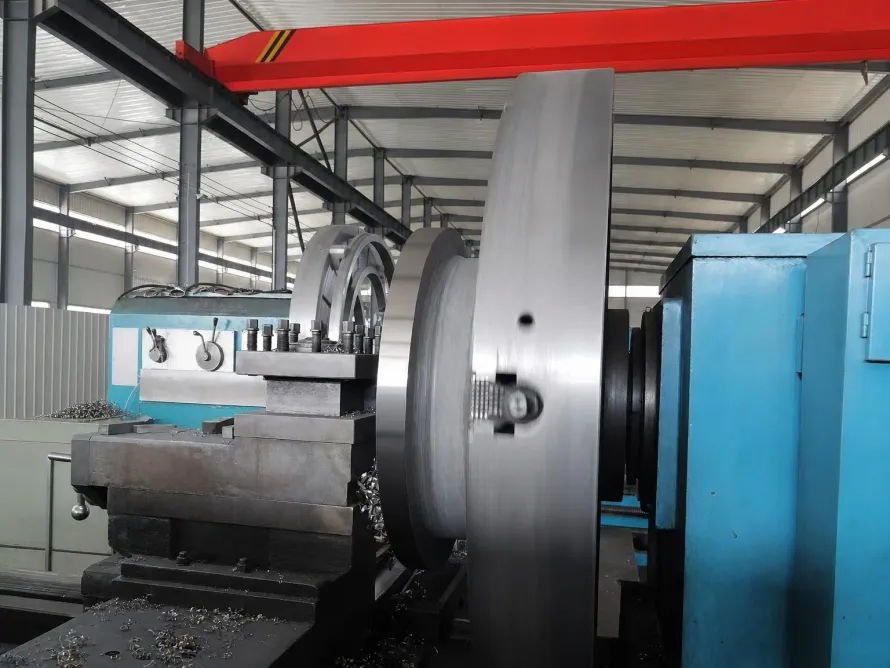
Clean titanium ring forgings in a workshop, showing product geometry that still needs route, heat-treatment and release evidence.
By Jason/ On 10 Jul, 2026

Titanium Heat-Treatment Release Evidence for Buyers

AGF DEFCOM's latest furnace addition looks, at first glance, like a straightforward capacity story. On 2026-06-23, the U.S. metal additive manufacturing supplier announced a second Solar Atmospheres Mentor Pro furnace, saying the added heat-treating capacity would reduce scheduling bottlenecks and improve workflow. A few weeks earlier, on 2026-05-14, the company said it had added two EOS M-400 systems, bringing its listed metal AM platform to 4 EOS M-400 printers, 15 EOS M-300 systems and an EOS M-290. For titanium buyers, the useful reading is narrower and more practical. More printing or furnace capacity does not by itself create releasable Ti-6Al-4V parts, machined titanium components or certified product lots. It changes where the evidence question sits. If more builds can be printed, more parts still have to pass through stress relief, annealing, aging, machining, inspection and final release without losing material identity or route control. That is why the current signal matters beyond one supplier announcement. AGF's public service page lists heat treatment, post-machining, material testing and Ti-6Al-4V among its relevant capabilities and materials. Separately, Solar Atmospheres said on 2026-06-01 that its Eastern Pennsylvania facility had commissioned a 12-foot horizontal vacuum furnace designed primarily for titanium HDH processing and also usable for standard vacuum heat-treatment work. Solar listed a 54 in x 54 in x 144 in working zone, a 15,000-pound load car, a 300HP external forced-cooling system and dual mechanical pumping systems. Those details point to the same industrial mechanism: titanium supply does not become buyer-ready at the moment a machine is installed. In titanium AM, forging, HDH powder routes, machined components, rectangular bar stock and ring products, the thermal step can be the bridge between a promising intermediate and a product that quality teams can release. Capacity Is Not the Same as ReleaseHeat treatment is not a decorative finishing step for titanium. Solar's additive manufacturing heat-treatment guidance explains that metal AM builds can carry internal stresses from repeated heating and cooling, and that heat treatment can alter microstructure and improve mechanical properties such as strength, hardness and fatigue resistance. Its titanium heat-treatment page also identifies stress relieving, annealing, solution treating and aging as process families used to tailor titanium alloy performance. That technical context changes how a buyer should read furnace-capacity news. A second furnace may reduce queue time. It may help a supplier run more jobs in parallel. It may make scheduling more reliable. But it does not answer the release question unless the order file shows which material entered the furnace, what condition it was in, which cycle was run, what atmosphere or vacuum control was used, how post-processing changed the geometry, and what inspection record closed the lot. The same distinction applies to HDH capacity. Hydriding and dehydriding can support titanium powder or feedstock processing, but a larger furnace does not automatically mean a powder lot, forged preform, rectangular bar, machined ring or AM part is approved for a buyer's application. The route must still be connected to chemistry, batch history, contamination control, particle or product condition, heat-treatment history, inspection and final certificate wording. This is the same logic behind an exposure-to-release evidence file for titanium powder. This is especially important when titanium buyers compare conventional and additive routes. AM suppliers often discuss material savings, near-net-shape production and faster throughput. Those advantages are real only when the post-build route is controlled. A Ti-6Al-4V part that leaves the printer is not the same evidence object as a Ti-6Al-4V part that has passed stress relief, machining, dimensional verification, NDT where required, and a release packet tied to the purchase order. The Heat-Treatment-to-Release File A practical buyer framework is to ask for a heat-treatment-to-release file. It should not be a generic certificate bundle. It should connect the product form, the thermal route and the final acceptance decision.Evidence layer Buyer question Why it mattersMaterial entry Which alloy, lot, build, forging, bar, plate or tube entered the thermal route? Prevents the furnace record from floating away from the physical product.Pre-heat-treatment condition Was the part printed, forged, machined, welded, HDH processed or stress-loaded before treatment? The starting condition affects the purpose of the cycle and the inspection risk.Furnace and scope Which furnace, qualified range and process family were used? Capacity only helps when the furnace is suitable for the order's material and specification boundary.Cycle and atmosphere record What time, temperature, loading, vacuum or atmosphere controls were recorded? Titanium is sensitive to route control, contamination and mechanical-property drift.Post-process route What machining, straightening, cleaning, surface work or handling followed the cycle? Later steps can change dimensions, surface condition and release status.Inspection and testing Which dimensional, mechanical, surface, FPI, NDT or customer-specific checks closed the route? Inspection converts a completed process into evidence a quality team can review.Release and change control What certificate language, lot boundary and change trigger travel with the shipment? This prevents a capacity claim from being mistaken for repeatable release authority.This framework is useful because it separates three things that are often blurred in supplier news. Installed equipment is capacity. Process capability is route confidence. Lot release is evidence for a specific buyer order. A newsroom article can responsibly discuss the first two from public sources, but buyers should reserve acceptance decisions for the third. What Buyers Should Not Overread The public sources do not show that AGF's new furnace qualifies any specific titanium part, customer program or specification. They do not publish furnace-cycle records, customer approvals, MTR/MTC packets or lot-level release evidence. The Solar furnace source gives strong capacity and equipment detail, but it also does not prove released product supply for any buyer's titanium order. That limitation is not a weakness in the story. It is the story. Titanium procurement risk often appears when teams treat capacity language as a substitute for release language. The safer interpretation is that furnace and AM additions can shorten a constrained route only when documentation moves at the same speed as production. The same discipline applies to distributed production, where point-of-need titanium release evidence has to stay attached to the part. For a buyer of titanium forgings, machined rings, rectangular bars, AM Ti-6Al-4V components or HDH-linked powder-route products, the next RFQ should therefore ask fewer generic capacity questions and more release questions: What thermal route is quoted? Which records will be shipped? How is the lot boundary preserved after machining? Which changes require requalification? Which inspection results close the order? The clearest conclusion is restrained but useful. Vacuum furnace additions are a positive capacity signal for titanium manufacturing. They become a procurement advantage only when the supplier can attach that capacity to a heat-treatment-to-release file for the exact product form being bought.

Aerospace and Defense
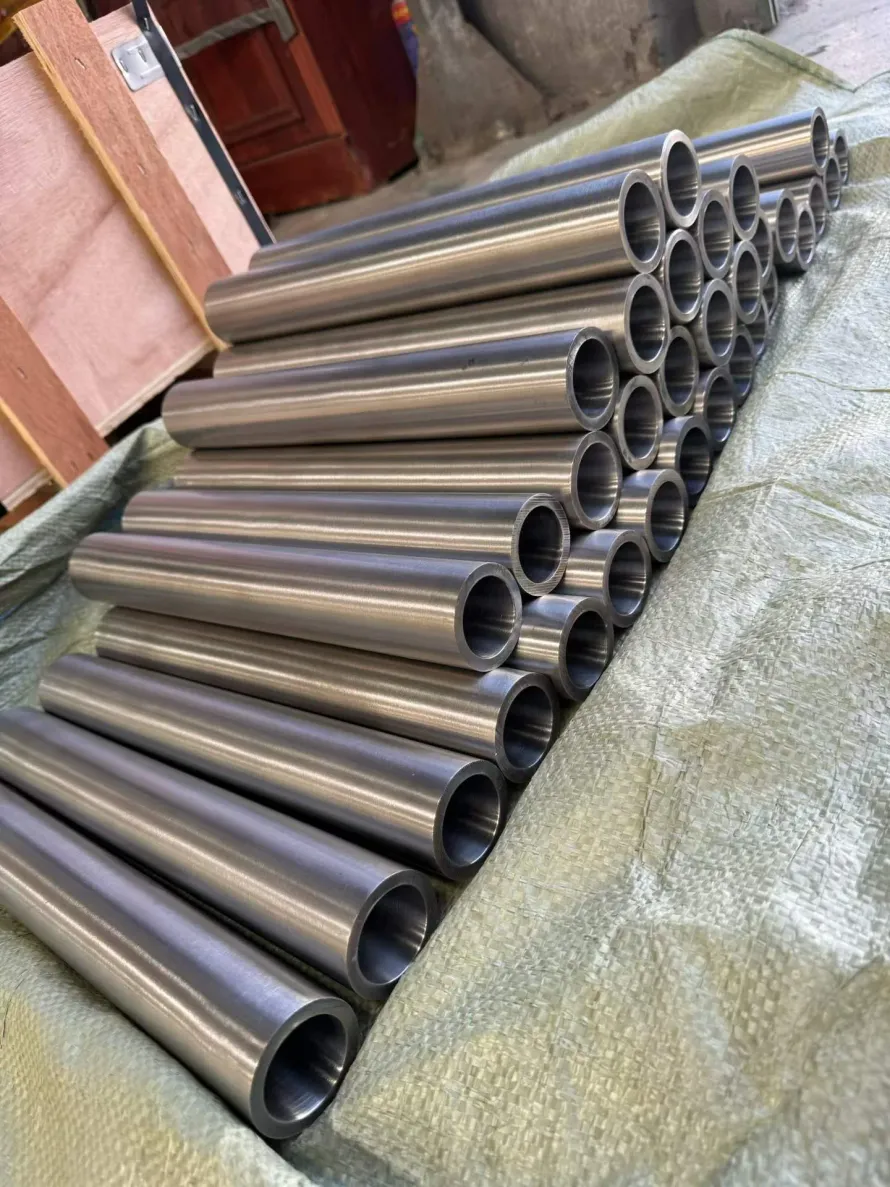
Stacks of titanium plate in a workshop with lifting equipment, illustrating the product-form release question behind powder-to-plate capacity news.
By Jason/ On 09 Jul, 2026

U.S. Titanium Plate Funding Turns Powder-to-Plate Capacity Into a Buyer Evidence Test

IperionX's latest defense funding award is a titanium plate story, but not because a funding headline automatically creates released supply. The important buyer question is narrower: can an alternative powder-to-plate route produce the evidence file needed for ballistic-grade plate, large-format components, and related fastener families? On July 1, 2026, IperionX said it had been awarded up to US$6.6 million under the Office of the Secretary of War - Submarine Workforce and Industrial Base program to support domestic production of ballistic-grade titanium plate and large-format military titanium components at its Virginia Titanium Manufacturing Campus. The company described the award as a two-phase program: US$0.2 million for scoping and test work, followed, subject to successful completion, by US$6.4 million for process scale-up and capital equipment. Argus Media reported the same award as part of a wider effort to onshore titanium manufacturing (context in our read on the US Titanium Supply Chain Act), while Heat Treat Today treated the announcement as a titanium processing and heat-treatment capacity signal. Those confirmations matter, but they do not remove the core qualification boundary. A buyer still has to ask what product form is covered, which route is being validated, what tests are attached to the lot, and what the final certificate can honestly say. Why the Route Matters More Than the Award The structural reason this story matters is clear. The USGS Mineral Commodity Summaries 2026 reported that the United States did not produce titanium sponge metal in 2025 and had 100% net import reliance for titanium sponge metal. It also estimated 2025 sponge imports at 44,000 metric tons, with downstream titanium use concentrated in aerospace and other demanding sectors such as armor, chemical processing, marine hardware, medical implants, and power generation. That context explains why a powder-to-plate route attracts attention. Conventional wrought titanium plate normally passes through sponge production, vacuum melting and remelting, ingot or slab casting, breakdown forging, hot rolling, repeated annealing, and final surface conditioning. Each stage can add time, energy use, yield loss, capacity dependency, and inspection complexity. IperionX is presenting a different route. Its public release says HAMR can produce titanium powder from minerals or recycled titanium, while HSPT and THRM are intended to deliver wrought-like titanium properties without the full melt-remelt-forge pathway (see our earlier reads on IperionX's HAMR powder execution and the recycled titanium powder qualification chain). For buyers, that should not be read as a shortcut around evidence. It is a change in where the evidence has to sit.The old route puts much of the buyer's confidence in melt pedigree, mill route, rolling history, heat treatment, surface condition, inspection records, and material test certificates. A powder-to-plate route has to add or reframe several of those records: feedstock and powder identity, oxygen and contaminant control, consolidation conditions, microstructure evidence, mechanical-property distribution, plate thickness recovery, flatness, surface removal, and application-specific validation. That is why the most useful interpretation of the award is not "new titanium plate is now available." It is "a route is being funded and tested, and buyers should define what proof would make that route releasable for their product family." The Powder-to-Plate Release File For procurement and quality teams, the reusable framework is a powder-to-plate release file. It should connect the capacity announcement to the specific plate or component being quoted.Evidence layer Buyer questionFeedstock and powder identity What mineral, scrap, or powder source is tied to this lot, and how are chemistry, oxygen, contamination, and blend history controlled?Route lock Which HAMR, HSPT, THRM, sintering, forging, rolling, heat-treatment, machining, or finishing steps are frozen for this product family?Microstructure and mechanical basis What test data supports wrought-like behavior for the actual plate thickness, component geometry, and service condition?Ballistic or application validation Which tests support armor precursor plate, hatches, covers, brackets, structural components, maritime systems, or fasteners without extrapolating beyond the tested envelope?Inspection and surface condition What ultrasonic, dimensional, surface, alpha-case, flatness, hardness, or lot-release checks are required before shipment?Certificate language Does the MTC state a route, alloy, specification, heat treatment, lot identity, and exception boundary that the buyer can audit later?Change control What happens if powder source, equipment, furnace cycle, consolidation parameters, rolling reduction, or finishing method changes?This framework is especially important because the public announcement names both plate and downstream components. Plate for ballistic or maritime use, large-format components, brackets, hatches, covers, and titanium fasteners may share a strategic supply-chain story, but they do not share one release file. Each has a different geometry, service load, inspection method, acceptance standard, and change-control risk.What Not to Overread The IperionX release also said the company would collaborate with the George H. W. Bush Combat Development Complex and the U.S. Army Combat Capabilities Development Command Army Research Laboratory on material testing, ballistic and shock-survival evaluation, product validation, and transition pathways. That is useful because it points to the right evidence categories. It is not the same as public proof that every plate size, component family, or vehicle application is already qualified. The same discipline applies to the additional prototype order for Joint Light Tactical Vehicle titanium fasteners. The order shows a product-family pathway beyond plate, and it makes sense in a broader lightweighting discussion. But the source itself says the initial purchase order is not material. A buyer should treat it as a prototype and validation signal until public evidence shows platform-level release, production quantities, installation conditions, and lot acceptance language. This distinction protects both sides of the transaction. Suppliers can explain why a shorter titanium route may reduce dependence on conventional sponge-to-ingot infrastructure. Buyers can welcome that direction without weakening their own release requirements. The commercial conversation becomes more precise: not whether powder-to-plate is promising, but which records would let a specific plate, machined blank, structural bracket, cover, hatch, or fastener move from promising route to accepted product. The Buyer Takeaway The award is a real titanium-product signal because it targets plate, large-format components, testing, validation, and capital equipment rather than only upstream mineral language. It also lands in a market where official data show continued U.S. reliance on imported sponge and where conventional plate production remains process-heavy. But for serious buyers, the practical conclusion is restrained. Funding can start a route. Testing can define a route. Prototype orders can extend a route into a product family. Only a connected release file can make the product buyable with confidence. For titanium plate and large-format components, the next useful question is not whether an alternative route exists. It is whether the supplier can show feedstock identity, process lock, microstructure and mechanical evidence, application validation, inspection results, certificate language, and change control for the exact lot being shipped.

Aerospace and Defense
Industrial metal processing equipment in a titanium workshop, illustrating why point-of-need manufacturing still needs a controlled release route.
By Jason/ On 07 Jul, 2026

RIMPAC 2026 Turns Titanium Spares Into a Point-of-Need Release Question

RIMPAC 2026 is not a titanium parts announcement. That boundary matters. The current signal is broader: the Naval Postgraduate School says CAMRE is taking advanced manufacturing systems aboard ships and across Hawaii during the June 24-July 31 exercise to produce replacement parts, support distributed logistics and test fleet-readiness workflows. Phillips is also deploying a containerized Haas TM-1P CNC machine integrated with Meltio Blue wire-laser metal additive manufacturing aboard USS Essex (LHD-2), while 3YOURMIND is supporting the digital thread that routes part requests and production tasks across a distributed network. For titanium buyers, the useful conclusion is not that ships can now print qualified titanium parts anywhere. The stronger conclusion is that point-of-need manufacturing makes the release record mobile. A titanium spare, repair blank, deposited feature or machined replacement is only useful when material identity, process route, atmosphere control, inspection and release authority travel with the work. Why The RIMPAC Signal Matters NPS frames the RIMPAC effort as a complete expeditionary manufacturing workflow, not a single machine demonstration. The network is meant to receive a digital request, identify available production capacity, manufacture through distributed nodes, transport the item and deliver it to operational forces. NPS also says JAMC will integrate metal additive manufacturing systems aboard four naval vessels through JAMS, assigning production and tracking parts from fabrication through delivery. That workflow changes the procurement question. In a normal titanium order, buyers can usually separate the product form from the production site: bar, tube, plate, forging, machined part, MTR/MTC, heat treatment, NDT, dimensional report and packaging record. In a distributed repair or replacement workflow, those layers compress into a moving cell. The buyer or design authority has to know whether the machine, material, operator, digital file, environment and inspection method are all inside the approved boundary. Capability Is Not Release Authority Meltio's own materials information lists titanium alloys including Ti-6Al-4V Grade 5, Ti-6Al-4V Grade 23 and Ti 5553, which makes the RIMPAC wire-laser AM story relevant to titanium product markets. But material compatibility is not the same as part qualification. That distinction is especially important for titanium. The material is valuable in aerospace, marine, medical and chemical applications because of its strength-to-weight ratio and corrosion resistance, but it is also sensitive to processing discipline. NPS notes that earlier expeditionary AM work found consumables such as shielding gas could become limiting factors. For titanium, shielding and atmosphere records are not background details; they can be part of the release evidence.The same caution applies to machining after deposition or repair. A hybrid cell that can add material and machine it back to shape still has to prove the geometry, surface condition, heat input, post-processing route and acceptance method for the actual part. The Point-of-Need Release File For titanium products, a practical release file for distributed manufacturing should answer seven questions before a part or repair is accepted (see our earlier reads on the digital-inventory release file and the site-transfer release file).Evidence layer Buyer or authority question Records to requestPart authority Is this part allowed to be produced or repaired outside the original supply chain? Approved part list, design authority, criticality class, repair or substitution boundaryMaterial input Which titanium alloy and lot entered the cell? Wire, powder, bar or blank certificate; Ti-6Al-4V or other grade record; storage and condition checkMachine and route Is the point-of-need cell inside the approved process route? Machine ID, deposition head, CNC setup, software and parameter version, calibration and workholding recordEnvironment and consumables How was titanium protected during processing? Shielding or inert gas record, chamber or local atmosphere notes, contamination control, consumable traceabilityBuild, repair and machining What was actually done to the part? Build log, repair dimensions, machining plan, heat input, operator record, post-processing routeInspection and acceptance How was the part accepted? Dimensional report, NDT/CT/PMI where relevant, acceptance criteria, concession record, final release signatureDigital thread and delivery Did the record stay connected to the item? Request ID, traveler, photos, labels, delivery record, receiving inspection and configuration updateThis file is not only for naval work. The same logic applies when an export buyer asks a titanium supplier for repair stock, near-net-shape blanks, oversized machining stock, replacement components or material prepared for downstream additive manufacturing. What Changes For Titanium Suppliers Suppliers should not market conventional titanium products as automatically ready for point-of-need AM. That would blur the boundary between material supply and part release. They can, however, make their titanium products easier to use in these workflows. Round bar, tube, plate, forgings and machined blanks should carry readable lot identity, chemistry, mechanical properties, heat-treatment state, dimensional allowance, surface condition and packaging records. If the material is intended as repair stock or feedstock for a downstream cell, the certificate should say what the supplier is proving and what remains with the buyer, AM operator or design authority. For wire or powder routes, the gap is even sharper (see our wire-to-release evidence file). The buyer needs to know not only the alloy and certificate, but also whether the material condition, storage, contamination controls, processing window and inspection plan match the route being used.The Procurement Takeaway RIMPAC 2026 shows that advanced manufacturing is moving from laboratory capability toward networked logistics. For titanium products, that makes speed only one part of the story. The real buyer question is whether the release evidence can move as fast as the manufacturing cell. If the material record, process route, atmosphere control, inspection method and authority boundary do not travel together, a point-of-need titanium part is still only a capability demonstration. If they do, distributed manufacturing can become a controlled route for repair, replacement and sustainment without pretending that every printed or restored metal component is already qualified.

Manufacturing and Technology
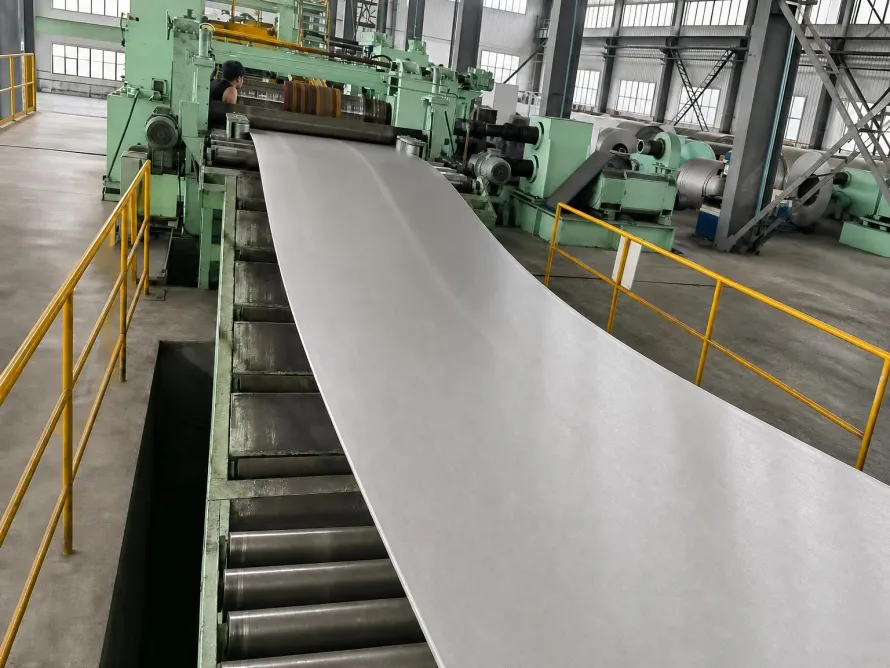
Titanium sheet moving through a controlled processing line, illustrating why high-temperature alloy claims must be tied to process-window evidence.
By Jason/ On 06 Jul, 2026

T70X Claim Shows High-Temperature Titanium Powder Needs an Exposure-to-Release File

A current high-temperature titanium powder claim is a useful signal for titanium buyers, but not because it proves that a new alloy can be placed directly into aerospace, defense, thermal-shield or turbomachinery applications. The stronger lesson is that additive titanium procurement is moving beyond grade names and into service-exposure evidence. On July 2, 2026, 3DPrint.com reported that Vilory Metal Powder, formerly Jiangsu Vilory Advanced Materials Technology, had announced T70X, a 3D-printable near-alpha titanium alloy powder. The company-reported claim is specific: the material is said to maintain >=450 MPa at 700°C, reduce embrittlement up to 750°C, and offer a 45% lighter alternative to Inconel in certain high-performance parts. Vilory's own product listing also shows T70X under its metal powder products, although the public page available in text form does not provide enough readable detail to verify the performance package independently. That distinction matters. A buyer should not treat a reported 700°C strength number as a released component. The practical question is narrower and more useful: what evidence would convert a high-temperature titanium powder claim into an acceptable part, coupon, preform, thermal shield, housing or machined component? The Useful Signal Is the Exposure Envelope The 3DPrint.com article says T70X is positioned against existing high-temperature titanium powders such as TIMETAL 834 and against some Inconel use cases. It also reports a claimed chemistry logic: Sn at 1-5%, Zr at 1.5-5.5%, Mo at 0.5-2.5%, and Cr, Co, V and Ni at <=1% each. The same source reports company-stated applications including hypersonic control surfaces, leading edges, thermal shields, turbomachinery, turbine blades and compressor disks. Those claims are commercially interesting because they point to a real titanium problem. Ti-6Al-4V is familiar, printable and widely specified, but it is not the answer to every hot-zone or thermal-cycling environment. Nickel alloys can carry higher-temperature duties, but they bring density, machining and cost penalties. A high-temperature titanium AM powder would therefore be attractive if it can preserve useful strength, oxidation behavior, dimensional stability and inspection confidence inside a defined operating envelope. The word "if" is doing important work. High-temperature performance is not one property. It is a bundle of exposure time, peak temperature, thermal cycling, atmosphere, load direction, creep behavior, fatigue, oxidation, surface condition, residual stress, post-build heat treatment and inspection access. A powder claim becomes buyer-relevant only when those elements are connected to the exact part geometry and acceptance rule. Powder Is Not the Released Product In titanium AM, the powder is only the beginning of the evidence chain. The same nominal alloy can produce different outcomes depending on powder particle size distribution, oxygen, nitrogen and hydrogen control, reused-powder rules, machine platform, build atmosphere, scan strategy, layer history, support removal, heat treatment, HIP, machining allowance, surface finish, NDT method and final dimensional inspection. That is why official AM requirements matter as context. NASA's technical standards listing includes NASA-STD-6030 for additive manufacturing requirements for spaceflight systems and NASA-STD-6033 for additive manufacturing equipment and facility control. A buyer does not need those NASA standards to apply directly to every commercial order to understand the mechanism: mission-critical AM is governed by controlled requirements, equipment discipline, verification and release authority, not by powder naming alone.For a titanium buyer, the useful response to a T70X-style claim is therefore not excitement or rejection. It is a request for an exposure-to-release file (see our earlier reads on data-to-allowables evidence for titanium AM and the site-transfer release file).Evidence layer Buyer question Why it mattersAlloy identity Is the chemistry, powder route and lot certificate tied to the quoted material? Prevents a marketing name from replacing material traceability.Build window Which machine, atmosphere, parameters, layer thickness and powder reuse rule created the data? AM strength values do not travel cleanly across process windows.Heat treatment What post-build heat treatment, HIP or stress-relief route produced the tested condition? High-temperature claims can disappear if the final route changes.Exposure proof What tensile, creep, fatigue, oxidation and thermal-cycle data exists at the actual service case? A 700°C data point is not the same as a duty-cycle qualification.Inspection path Which NDT, CT, metallography, density and dimensional checks are required? Internal defects, surface condition and geometry can control acceptance.Exclusions Which applications are specifically outside the claim? The source itself reports exclusions for corrosion, cryogenic and medical implant uses.Release authority Who has approved the part, drawing, coupon set or production route? Supplier capability is not the same as customer release.This framework is useful even if T70X never appears in a buyer's approved material list. It gives procurement and engineering teams a disciplined way to evaluate any future high-temperature titanium powder, whether the supplier is in China, Europe, Japan, North America or elsewhere. What Changes For Titanium Product Suppliers For suppliers of titanium sheets, bars, tubes, forgings, machined parts and AM-adjacent components, the immediate effect is not a sudden material substitution. It is a change in the conversation. Buyers may ask whether a lighter titanium route can replace a heavier nickel alloy part, whether AM can reduce machining from billet, or whether high-temperature titanium can support complex cooling channels. A supplier should answer those questions through evidence boundaries, not slogans. The safest commercial answer separates three things. First, powder availability: can the powder lot be purchased, certified and repeated? Second, route capability: can the supplier build, heat treat, machine and inspect the geometry inside a documented process window? Third, release scope: does the buyer's application, standard, drawing or customer approval allow that route? Those boundaries protect both sides. They keep a promising material from being dismissed because it is new, while also preventing a data sheet from becoming an unsupported product claim. They also help conventional titanium suppliers explain where existing products still fit. A plate, tube, bar or machined blank may remain the lower-risk answer when the service case, standards, inspection plan or customer approval does not justify a new AM powder route.The T70X report should therefore be read as a competitive warning and a procurement checklist. Advanced titanium powders are likely to keep arriving, and some will be technically serious. But the buyer's acceptance file will still need to connect the alloy, powder lot, build route, heat treatment, exposure data, inspection result and release authority — the same connected-evidence logic we traced in the single-piece tank inspection map. The defensible conclusion is simple: high-temperature titanium powder claims matter when they change the evidence file. Until then, they are not finished-product supply. They are candidates for qualification.

Market and Supply Chain
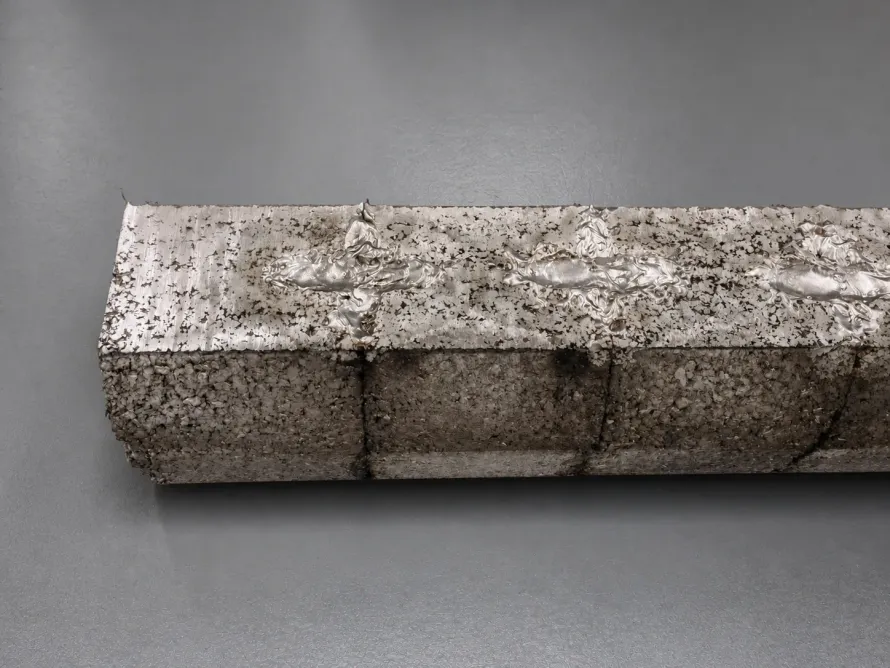
Titanium stock, round material and export crates in a factory warehouse, showing why a sponge-price signal still needs product-form, conversion and release evidence
By Jason/ On 05 Jul, 2026

Sponge Titanium's July Price Dip Is a Quote Window, Not a Release Guarantee

SMM's 2026-07-01 sponge titanium note is a useful signal for titanium buyers, but it is not a finished-product discount notice. SMM reported Grade-0 sponge titanium at approximately USD 6,700–6,800 per tonne, down 2% from early June, with June sponge production around 25,700 mt and cumulative output up 11.04% year on year. It also reported May exports at 745 mt, with cumulative exports down 7.52% year on year. That mix matters because it points in two directions at once. Supply-side pressure and weaker exports may reopen quote assumptions. Yet buyers of titanium bar, tube, plate, forgings, welded assemblies or machined parts cannot treat a sponge-price move as proof that certified stock is ready to release. A lower upstream price can create a quote window. It does not, by itself, create a released lot. The better procurement question is not simply, "Did sponge fall?" It is: which exact titanium form, route, lot, inspection packet and shipment trigger does this quote release? The Price Signal Sits Upstream Sponge titanium is the input side of a longer route. Argus describes the conventional path as sponge being melted into ingots and then forged into mill products, and notes that roughly 1.17t of sponge is typically required for 1t of mill products. That conversion chain is exactly why a sponge signal should be read as an upstream pressure indicator, not as a direct price tag for finished titanium products. For a mill, distributor or contract manufacturer, the product sold to a buyer may sit several steps away from sponge: melt route, alloy chemistry, ingot or billet identity, forging or rolling, tube making, annealing, straightening, machining, surface condition, dimensional inspection, NDT, MTR or MTC review, packing and export documentation. Each layer can add time, cost and release conditions. SMM's related market analysis also framed the sponge market as a weak-demand environment with price divergence, high ore cost pressure, weak exports and seasonal demand softness, while noting that prices could recover in Q3 toward roughly USD 6,900 per tonne if new downstream demand is released. That is valuable timing context, but it still belongs upstream of the buyer's release decision (see our earlier read on China's sponge overcapacity). Demand Does Not Move on the Same Clock The demand side is not quiet just because one upstream titanium indicator softens. Airbus's official orders and deliveries page reported 81 commercial aircraft deliveries in May 2026 and 262 deliveries for 2026 to date through May. Investing.com, citing Bloomberg, later reported that Airbus delivered around 350 aircraft in the first half of 2026, about 90 in June, and would still need about 520 more deliveries in the second half to reach its 870 aircraft target. Those numbers should not be converted into a titanium shortage claim. They do, however, show why qualified-route demand can remain sensitive even when sponge inventory looks easier. Aerospace programs, chemical equipment, marine hardware, medical-adjacent products and power-sector uses do not buy "sponge" in the abstract. They buy released forms with defined alloy, size, standard, surface, inspection and documentation requirements. USGS adds the structural backdrop: in its 2026 titanium summary, it estimated U.S. imports for consumption of titanium sponge at 44,000 tons and net import reliance at 100%, while noting that most titanium metal is used in aerospace. That does not make every titanium order aerospace-grade. It does remind buyers that source, route and documentation can matter as much as the spot input signal. The Inventory-to-Release BridgeFor titanium product buyers, the practical tool is an inventory-to-release bridge. It turns a price or stock signal into the evidence needed before a purchase order, shipment plan or price adjustment is trusted (a companion to our stockpile-to-release evidence file).Bridge layer What the market signal can show What buyers still needSponge price and inventory Current input pressure, regional availability and supplier sentiment Named source boundary, price validity date, grade/purity scope and whether the quote actually uses that inputMelt and alloy route Potential conversion path from sponge to ingot, billet or slab Heat or lot identity, chemistry, melt route, VAR or other route evidence, and traceability through conversionProduct form Whether bar, tube, plate, forging or machined-part supply may loosen Form-specific standard, size, tolerance, surface condition, heat-treatment state and packing requirementProcess capacity Whether mills or processors may have room to quote Reserved furnace, rolling, tube-making, machining, inspection and release windows for the actual orderRelease packet Whether the lot can satisfy acceptance MTR, MTC, NDT, dimensional results, certificate wording, concession closure and buyer-specific flow-downCommercial quote Whether price can be reopened Quote date, validity period, currency, freight, duty, Incoterms, shipment trigger and change ruleThis bridge prevents a common procurement mistake: treating a material-market direction as if it were a supplier release file. A supplier may have raw material exposure without a finished lot. A distributor may have stock without the exact size or certificate language. A processor may have product form available but not the NDT slot, export route or shipment window a buyer needs. Where Buyers Can Use the Dip The price dip is still useful. It can justify asking suppliers to refresh quotes, separate raw input movement from conversion charges, and explain whether any change applies to new production, existing stock or reserved inventory. It can also help buyers decide whether to split demand across immediate stock, near-term conversion and longer-term framework orders. For common commercial sizes, the best use is often a structured quote review. Ask whether the supplier is quoting from finished stock, semi-finished stock, allocated sponge or fresh mill production. Ask whether the quoted material is commercially pure titanium or an alloy such as Grade 5 / Ti-6Al-4V. Ask which standard, size range, tolerance and surface condition are included. If the price changed, ask which cost layer changed: input, conversion, inspection, freight, duty or currency (a breakdown we mapped in the surcharge-to-quote evidence file). For project-specific titanium parts, the dip is a negotiation opening, not a release shortcut. A machined titanium component, formed shell, welded assembly or precision tube order may carry order-specific inspection, drawing, customer approval, export-document and packing conditions. If those conditions are not cleared, a cheaper input does not put the product on a truck. Where the Dip Should Not Be OverreadDo not read a China Grade-0 sponge titanium note as a global aerospace-approved titanium price. Do not read it as a landed import price after freight, duty, financing and currency (see the regional gaps in titanium price regional divergence). Do not read it as the price of Grade 5 bar, precision tube, ASTM plate, forged rings or machined parts. And do not read it as evidence that a particular lot has passed inspection. The article's most important boundary is simple: a quote window is a commercial opportunity; a release guarantee is an evidence file. They are connected, but they are not the same thing. That distinction should shape RFQs in July. Buyers can fairly ask suppliers to reflect the current sponge signal in quote assumptions where the route supports it. Suppliers can fairly respond that conversion, alloy, size, certification, inspection, freight and timing still control the delivered price. Both sides reach a cleaner discussion when the quote is tied to the inventory-to-release bridge. The strongest buyer request is therefore specific: show the material basis, product form, process route, inspection status, certificate language, price validity and shipment trigger. If those items line up, the July sponge dip may become a useful buying moment. If they do not, it remains what it started as: a market signal waiting to be converted into released titanium supply.

Manufacturing and Technology
Production-control equipment in a titanium materials workshop supports the idea that a qualified route must survive transfer into production.
By Jason/ On 04 Jul, 2026

Velo3D's Livermore Expansion Shows Why Titanium AM Buyers Need a Site-Transfer Release File

Velo3D's June 30, 2026 announcement of a new 288,747-square-foot Livermore production campus is not a titanium order by itself. The useful signal for titanium buyers is more specific: metal additive manufacturing is being organized around a handoff from engineering, process development and qualification into production-scale execution. That handoff is where many titanium procurement risks sit. Velo3D says its Fremont headquarters will remain the center for research and development, applications engineering, process development, customer collaboration, prototyping and qualification, while Livermore becomes the primary production and manufacturing center. The company also says the two facilities are intended to help customers move from concept and qualification through production with one partner. For buyers of Ti-6Al-4V parts, pressure components, aerospace brackets, energy hardware, medical-adjacent components or complex machined titanium products, that is a useful moment to ask a narrower question: what evidence proves that the qualified route survived the site transfer? Velo3D lists Ti-6Al-4V among its additive manufacturing materials and describes it as an alpha-beta titanium alloy used in jet engines, gas turbines, pressure vessels and biomechanical components. That material range is exactly why a production campus announcement should not be read as automatic product release. Titanium buyers still need the evidence bridge between the route that was qualified and the route that will ship parts. The News Is About Production Discipline, Not Only Capacity The headline numbers are large. Velo3D says the Livermore campus includes about 270,000 square feet of manufacturing space, 36-foot clear heights, nearly 10 million cubic feet of manufacturing volume, capacity for 40+ large-format systems at launch and infrastructure to scale beyond 100 systems. It also says the two campuses are expected to encompass 125 machines. Those numbers matter because they show the industry moving from isolated qualification projects toward repeated production. But repeated production is not the same as repeated acceptance. In titanium, the buyer's exposure sits in the gap between the platform claim and the released product file. If the quoted part depends on a specific powder lot family, build orientation, support strategy, scan parameter, oxygen-control window, post-processing route, heat treatment, machining allowance, NDT method or FAI record, then a larger production site must inherit more than the CAD file. It must inherit the controlled route. The Site-Transfer Release FileA titanium site-transfer release file is the buyer's evidence map for moving from a qualified AM route to production at another campus, machine group or manufacturing partner (see our earlier reads on the AM data-package release evidence and the qualification-to-rate file).Evidence layer What buyers should verify Why it mattersQualified baseline Part number, revision, alloy, application boundary and qualification basis Prevents a production quote from borrowing confidence from a different part or routeSite role Which site owns qualification, production, post-processing, inspection and final release Clarifies who controls each step after the handoffMaterial scope Ti-6Al-4V grade, powder source, lot definition, reuse rule, storage and contamination controls Keeps material identity from drifting when volume increasesMachine and software equivalence Machine family, build envelope, software version, print preparation file and parameter set Shows whether production uses the same controlled manufacturing logicAtmosphere and process controls Oxygen and humidity limits, recoating behavior, calibration, monitoring and exception records Makes the production environment auditable, not merely availablePost-processing route Stress relief, HIP when required, heat treatment, machining, surface finishing and cleaning Avoids treating a printed shape as a released titanium part too earlyInspection and release FAI, dimensional inspection, NDT or CT plan, mechanical test basis, MTR/MTC language and concession rules Connects part acceptance to the shipped lotChange trigger What requires buyer notification or requalification Prevents silent changes during scale-upThis framework matters even when the supplier is strong. A capable supplier can still make a buyer-facing file weak if the purchase order does not state what must remain unchanged after transfer. Where Buyers Should Be Cautious The Livermore announcement supports a production-readiness conversation, but it does not disclose a specific titanium part approval, customer drawing, acceptance dataset or shipped-lot certificate. That limit is important. The right buyer conclusion is not "Velo3D capacity equals titanium part approval." The better conclusion is that the market is creating more places where titanium AM routes can move from qualification into production, and each move needs a release bridge. The same caution applies to any metal AM capacity expansion. A new machine, a larger building, a bigger fleet or a domestic production claim can reduce schedule pressure only when the actual product form, route, inspection and release authority are tied to the order (see our read on audit-scope-to-order release evidence). For titanium buyers, the hard questions are practical:Is the Ti-6Al-4V route already qualified for this part family, or only for the machine platform? Does the production site use the same print file, parameter set and powder-control rule as the qualification site? Are post-processing and machining performed under the same release boundary? Which inspection record travels with the lot, and which record stays as internal process evidence? What site, software, powder, heat-treatment or inspection change would trigger buyer review?What Procurement Should Ask Before ReleaseBefore treating a production-scale titanium AM source as order-ready, procurement teams should request a site-transfer release file rather than a general capability deck. The file does not need to be long. It needs to be connected. A buyer should be able to follow one part number from the qualified baseline to material entry, build record, post-processing, machining, inspection, certificate wording and shipment identity. If the part moves from one site to another, the file should show exactly which controls moved with it and which controls were revalidated. That is the real buyer value in this week's news. A larger production campus can make metal AM more useful for titanium supply only when it makes the qualification-to-production handoff easier to audit — the same evidence logic we traced in the single-piece tank inspection map. Without that bridge, capacity is just capacity. With it, titanium buyers can compare AM suppliers on evidence, not only on machine count or headline square footage.

Ready to Start Your Project?

Get factory-direct pricing on titanium products. No minimum order.

Get a Free Quote
Quick Inquiry