Type something to search...

News Posts

Market and Supply Chain
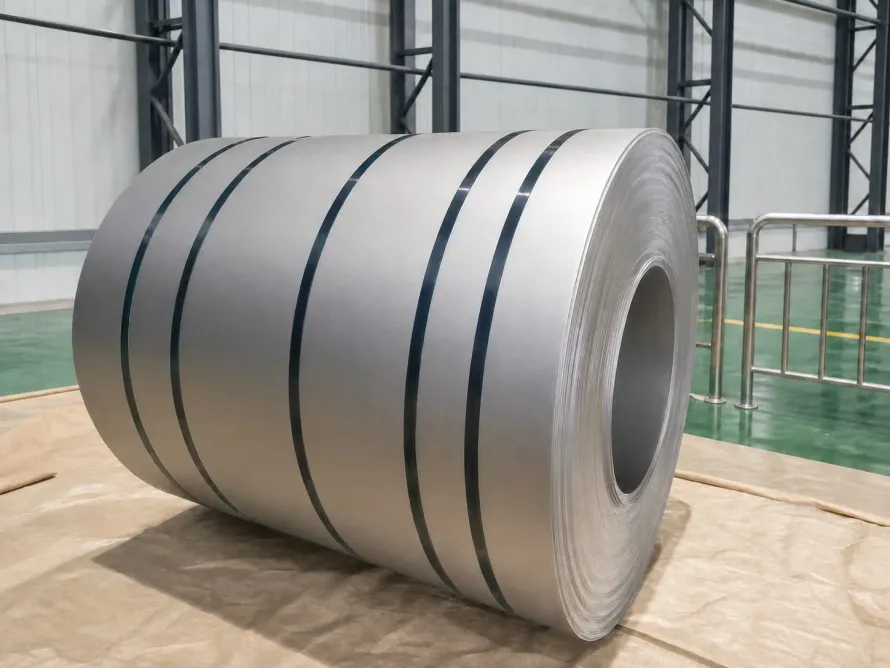
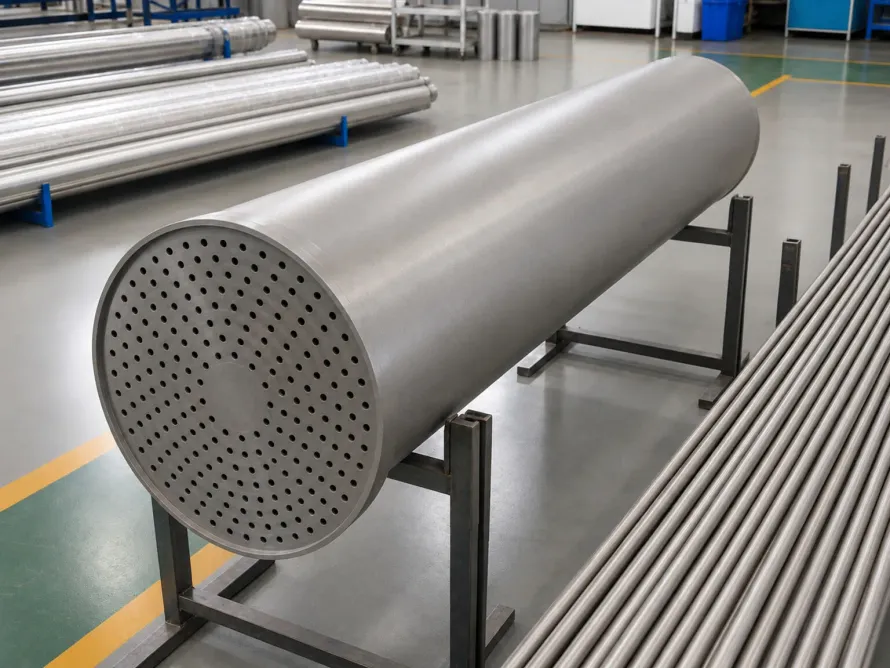
Large titanium bar stock staged in a factory, showing why alloy, shipment date and surcharge records need to stay connected to the quote.
By Jason/ On 08 Jun, 2026

Carpenter's Titanium Surcharge Table: Why Buyers Need a Shipment-Date Quote Bridge

Carpenter Technology's raw material surcharge page is not a titanium market forecast. It is also not a universal price list for every titanium bar, tube, plate, sheet, forging or machined part. But for buyers, its latest page and linked titanium table make one commercial point hard to ignore: when the surcharge applies at shipment, the quote file needs a bridge from alloy to product form to shipment date. The Carpenter raw material surcharge page says it was updated on 2026-06-03 and that surcharges are generally updated by noon U.S. Eastern Time on the first business day of each month. The same page says surcharges are applicable at time of shipment unless otherwise stated at order entry. Its linked titanium surcharge table, last updated on 2026-04-01, lists the June column for 2026 with CP at USD 6.38/lb, Ti 6-4 at USD 6.05/lb, and Beta C at USD 7.60/lb.That is enough to turn a routine quote review into a documentation problem. A buyer may ask for a kilogram price for titanium bar or a finished quote for machined components, but the supplier's cost basis may contain a base price, a raw material surcharge, conversion work, inspection, certification, packaging, freight, duty, currency exposure and scrap allowance. If one of those elements changes by month while the order ships later, a simple quote line can hide the reason why the final invoice no longer looks like the first spreadsheet. A surcharge is not the whole price The most common mistake is to read a surcharge table as if it were the finished price of titanium. It is not. Carpenter's policy describes a formula based on alloy chemistry, effective non-coverable yield from melt, and the delta between 1999 base values and current market values. It also says current market values come from industry publications and that Carpenter reserves the right to modify the current monthly surcharge if raw material prices fluctuate more than +/- 10% from the previous month. For a titanium product buyer, the lesson is less about copying someone else's number and more about separating price components. CP bar, Ti 6-4 plate, welded tube and a machined flange do not carry the same conversion path. Even if the raw material surcharge family is visible, the finished part still depends on melting route, mill form, size tolerance, heat treatment, machining loss, inspection route and certificate package. That is why a credible quote record should show which part of the number is material surcharge, which part is conversion or processing, and which part is logistics or compliance. Without that split, procurement can only argue about the total price. With the split, procurement can ask a better question: which documented input changed between quote, order and shipment?Shipment date is a commercial boundary The shipment-date language matters because titanium orders often sit between two clocks. The first clock is the buyer's approval clock: drawing release, supplier qualification, purchase order approval, quality review and import paperwork. The second clock is the supplier's production clock: material allocation, cutting, processing, inspection, packing and shipment. When the surcharge is applicable at time of shipment unless otherwise stated, the commercial boundary is not only the day the buyer asked for a quote. A quote made near the end of one month can be shipped after the next surcharge update. A blanket order can release material in separate lots. A machined component can consume gross input weight that is much higher than finished net weight. These are not accounting details; they are places where price evidence can break. The answer is not to make every titanium quote longer. The answer is to attach a compact shipment-date quote bridge to the buyer file. That bridge should be short enough for a purchasing team to use, but specific enough that quality, finance and logistics can read the same record. What the quote bridge should includeEvidence item Why it matters for titanium buyersAlloy and surcharge family CP, Ti 6-4 and Beta C do not necessarily sit under the same surcharge line or conversion route.Product form Bar, tube, plate, sheet, forging and machined components can use different input stock, yield and inspection work.Quote date, order date and shipment date The record shows whether a monthly surcharge update could affect the final price.Surcharge source and version The file names the supplier policy page, the table date and the relevant month column instead of relying on memory.Weight basis Buyers can distinguish net finished weight from gross input weight, scrap allowance and minimum-charge logic.Conversion and machining basis Cutting, welding, heat treatment, turning, milling and special inspection should not be hidden inside a vague material line.Certification and inspection Mill certificate, dimensional report, chemical analysis, mechanical testing and traceability add cost and schedule obligations.Freight, duty and currency Export buyers need a clean separation between ex-works product price and landed-cost movement.Change trigger The quote should say what happens if the shipment month, alloy family, quantity, certificate requirement or delivery term changes.This structure gives both sides a cleaner negotiation surface. The buyer can challenge a surcharge, but the challenge is tied to a named source, a date and a product form. The seller can explain a price movement without turning the discussion into a vague claim about "the market." The most useful file is not a large report. It is a traceable bridge from commercial promise to shipment reality. Machined parts need gross-to-net clarity The bridge becomes more important when the order is not raw mill product. A buyer may purchase a finished sleeve, ring, flange or custom titanium component by piece, while the supplier buys or allocates bar, tube or plate by input weight. The machining route may remove material that never appears in the finished part. If the surcharge is discussed only against finished net weight, the buyer may miss the real material exposure behind the quote. For machined titanium parts, the quote file should state the input stock form, the approximate gross-to-net logic, whether scrap is recoverable or priced into the job, and whether inspection is tied to the finished component or the source material. This does not require exposing every internal cost. It requires enough structure so the buyer can compare one supplier's quote with another supplier's quote without accidentally comparing different weight bases.What buyers should not overread There are limits to this signal. Carpenter's table belongs to Carpenter's own policy and product context. It should not be treated as a global titanium price, a substitute for supplier quotes, or a reliable benchmark for every Chinese, European or U.S. titanium processor. A distributor, job shop or export manufacturer may have different inventory timing, alloy coverage, freight terms, currency exposure and certification requirements. The useful move is narrower and more practical: treat the public surcharge policy as proof that titanium price records need dates, versions and product-form logic. For buyers of titanium bars, tubes, plates, sheets, forgings and machined components, the surcharge line is only one part of the file. The buyer evidence file should connect the surcharge source to the actual item being purchased, the actual shipment date and the actual certificate package. That discipline protects both sides. The buyer gets a more auditable quote comparison. The supplier gets a clearer way to explain why a shipment-time adjustment is legitimate or why it does not apply. In a titanium supply chain where alloy, form, processing route and delivery timing all matter, a shipment-date quote bridge is no longer paperwork decoration. It is the difference between a price argument and a documented purchasing decision. Sources: Carpenter Technology raw material surcharge page; Carpenter Technology titanium raw material surcharge table

Chemical and Energy
Bundled titanium tubes on factory racks, showing why buyers need service-environment and lot evidence before treating tube supply as interchangeable.
By Jason/ On 07 Jun, 2026

Alleima's Tube Mill 2026: Why Titanium Tube Buyers Need a Service-Envelope Evidence File

Alleima's latest tube-capacity news is not a titanium tube announcement. That distinction matters. The useful signal for titanium buyers is not that one more source of tube supply has appeared, but that demanding tube markets are being organized around service environment, documented process control, inspection proof, and long-term application risk.Alleima announced on 2026-06-03 that the Tube Mill 2026 facility in Sandviken, Sweden, had been inaugurated on 2026-06-02. The company described the project as an approximately SEK 330 million investment aimed at conventional nuclear power and small modular reactors, with the upgraded and reopened facility increasing steam generator tube production capacity by approximately 60% and becoming operational during 2026. That is a nuclear steam generator tube story, not a titanium stock story. Alleima's own steam generator tube page describes production in premium seamless stainless steel and high nickel alloy steam generator tubing, with an outer-diameter range of 10-25.4 mm for the listed portfolio. The point for titanium tube buyers is adjacent but important: when a tube enters a severe service environment, the purchase order cannot be governed by diameter, grade label, and delivery date alone. Tube Capacity Is Becoming Service-Specific The tube market often looks simple from a distance. Buyers ask for a grade, an outside diameter, a wall thickness, a length, a standard, and a delivery schedule. Suppliers answer with stock, production route, certificate, and price. That workflow can work for low-risk replenishment. It becomes weak when the tube is part of a condenser, heat exchanger, chemical-processing unit, energy system, pressure boundary, seawater service, chlorinated environment, or equipment package where corrosion, cleanliness, joining, inspection access, and tube-sheet fit all matter. High-spec tube investments show the direction of travel. Capacity is not just "more tubes." It is capacity inside a defined service envelope: alloy family, production route, inspection method, dimensional discipline, customer approval, documentation rhythm, and change-control boundary. Titanium tube buyers should borrow that logic even when they are not buying nuclear tubing. For titanium, the trap is interchangeability. A titanium tube can be commercially described in a few words, yet technically depend on many hidden choices: seamless or welded route, grade, wall tolerance, surface condition, straightness, residual contamination, end preparation, cleaning, packaging, and the chemistry and temperature of the fluid it will see. Why ASTM B338 Is a Starting Point, Not the Whole File ASTM B338 is commonly referenced for seamless and welded titanium and titanium-alloy tubes for condensers and heat exchangers. The standard scope is valuable because it frames titanium tube purchasing around more than a generic "pipe" description. It points buyers toward tube form, grade basis, mechanical properties, and testing expectations.But a standard reference does not replace an application review. A buyer still has to connect the tube to the actual service envelope. What is the medium? What temperature and pressure range will the tube see? Is the problem seawater service, chloride chemistry, acid service, erosion, crevice corrosion, fouling, cleaning chemistry, galvanic pairing, or tube expansion into a tube sheet? Is the tube being supplied as straight length, U-bent tube, cut-to-length tube, assembled bundle input, or spare replacement stock? Those questions are not academic. They decide which evidence belongs in the file. A mill test report can confirm material identity, chemistry, mechanical properties, and heat traceability. It does not automatically prove that the tube is clean enough for a specific process, that the surface condition matches the exchanger requirement, that tube-end handling is controlled, or that a route change will be visible before shipment. A Service-Envelope Evidence File The practical answer is a compact service-envelope evidence file. It should not be a decorative binder. It should be a buyer-readable chain that connects the tube being delivered to the environment where the tube will work.Evidence layer What the buyer should verifyMaterial and standard basis Titanium grade, product form, specification callout such as ASTM B338 when applicable, heat number, chemical and mechanical records, and any customer-specific supplement.Tube route and dimensions Seamless or welded route, OD, wall thickness, length, straightness, ovality, end condition, U-bend status when relevant, and revision-controlled dimensional inspection.Service envelope Fluid chemistry, concentration, temperature, pressure, flow condition, cleaning chemistry, fouling risk, galvanic contact, and corrosion mechanism being designed against.Inspection and test proof Hydrostatic, pneumatic, eddy-current, ultrasonic, visual, dimensional, cleanliness, or other inspection evidence tied to the order and route, not only to a generic capability statement.Surface and cleanliness control Surface finish, pickling or polishing state, residual contamination control, handling marks, internal cleanliness, and packaging that protects the tube before installation.Equipment interface Tube-sheet fit, expansion or welding boundary, end preparation, bend radius, bundle assembly needs, spare-part match, and responsibility split between tube supplier and fabricator.Release and change control Certificate wording, lot labels, nonconformance closure, subcontracted process disclosure, route changes, inspection-method changes, and notification triggers before repeat supply.This framework is especially useful for export buyers. A distributor, EPC buyer, heat-exchanger fabricator, or maintenance team may not control every step of production. The evidence file gives them a way to ask for the right proof without pretending that every project needs the same document set. What Titanium Suppliers Can Own Titanium suppliers should not overclaim service performance that belongs to the equipment designer or end user. The stronger position is to own the evidence that a supplier can genuinely control. For titanium tube supply, that means heat traceability, grade identity, route clarity, dimensional inspection, surface condition, packaging, and certificate consistency. For titanium plates, sheets, forgings, machined parts, and pressure-equipment components that sit near the same project, it means keeping related material records aligned so the buyer does not receive a tube file, a plate file, and a machined-part file that cannot be reconciled.The supplier can also make the RFQ sharper. Instead of asking only for size and grade, a serious titanium tube RFQ should identify application, medium, temperature range, pressure range, standard, inspection expectation, end condition, packaging need, and certificate language. If the buyer cannot disclose the exact formula or process, the buyer can still define the corrosion or cleanliness concern in usable engineering language. That is where supplier expertise becomes visible. A low-value response says, "We have titanium tube." A better response asks which service envelope the tube must survive and which evidence the buyer needs before releasing the shipment. What Buyers Should Not Overread Alleima's Tube Mill 2026 announcement does not prove new titanium tube capacity. It does not mean nuclear steam generator tubing and titanium heat-exchanger tubing share the same alloy, standard, approval route, or inspection file. It also does not mean every tube project needs nuclear-level documentation. The lesson is narrower and more useful. In demanding markets, tube supply is being judged less as a generic commodity and more as a controlled route into a specific service environment. Titanium buyers in chemical processing, energy, desalination, marine equipment, industrial heat exchange, and maintenance replacement should treat that as a procurement discipline. The practical test is simple: can a quality reviewer connect the delivered titanium tube lot to its grade, standard, route, inspection proof, surface condition, service chemistry, equipment interface, packaging, and change-control boundary without rebuilding the story after the shipment arrives? If the answer is yes, the buyer has a service-envelope evidence file. If the answer is no, the buyer may have titanium tubes, but not yet a dependable release basis for the equipment that will use them.

Aerospace and Defense
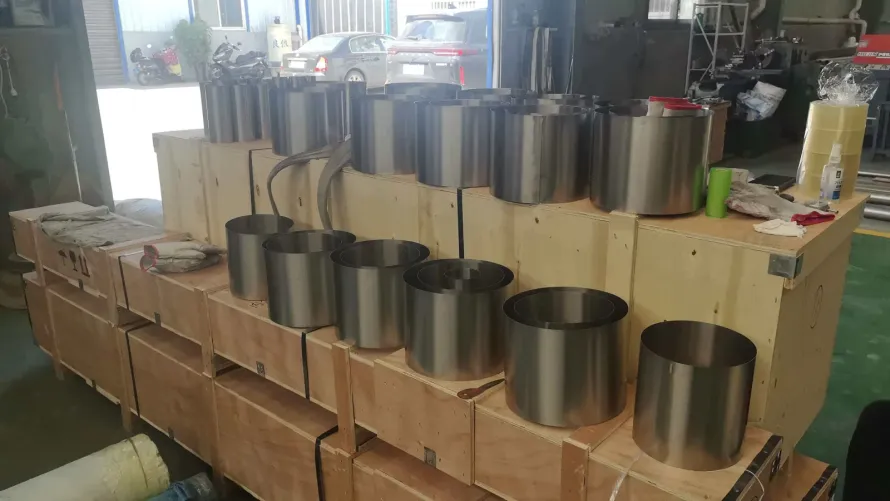
Machined titanium sleeves, threaded fittings, flanges, and round components on a factory bench, showing finished parts that still need lot-level release evidence.
By Jason/ On 06 Jun, 2026

IperionX's Fastener Tests: Why Titanium Buyers Need a Fastener-to-Platform Release File

IperionX's June 1, 2026 titanium fastener announcement is not just a lighter-than-steel story. For buyers of titanium bars, machined components, forgings, and finished fasteners, the more useful signal is that a promising mechanical test result still has to be converted into a release file that matches the actual platform, joint, lot, and inspection route.IperionX said testing by the U.S. Army DEVCOM Ground Vehicle Systems Center and Westmoreland Mechanical Testing & Research evaluated Ti-6Al-4V titanium fasteners against comparable SAE Grade 8 steel fasteners. The company reported that 3/4-10 x 3.0-inch titanium fasteners demonstrated 563 to 615 ft-lbf yield torque, compared with 480 to 502 ft-lbf for SAE Grade 8 steel under the same program. It also said WMTR tensile testing under ASTM F606/F606M-25a confirmed 135 to 137 ksi yield strength and 149 to 152 ksi ultimate tensile strength, and that Ti-6Al-4V is typically 40% to 45% lighter than steel. Those numbers matter. They make the news more concrete than a generic "titanium is strategic" headline. But they do not remove the buyer's next responsibility: deciding whether a tested fastener can be released into a specific platform, torque procedure, service environment, and maintenance record. The Result Is Product-Level, Not Platform Approval The strongest part of the announcement is that it moves the discussion from raw material promise to product-level validation. Titanium suppliers often talk about strength-to-weight ratio, corrosion resistance, domestic supply, or powder-to-product manufacturing. A fastener test is narrower and more useful because it asks whether a finished part can meet a recognizable benchmark under a named test program. That is still different from platform approval. A defense, aerospace, marine, or industrial buyer cannot treat a torque-to-yield result as a blanket replacement rule. The buyer still has to know the joint design, thread engagement, clamp load, mating material, galvanic boundary, coating or lubrication condition, installation tooling, maintenance procedure, and service environment. For titanium processors, this distinction is important. A material certificate proves a heat, chemistry, and mechanical-property basis. A product test proves a sample set under a defined method. A release file has to connect both to the actual lot and use case. Why Fasteners Are Not Just Small Bar Stock Fasteners are easy to underestimate because they are physically small. In procurement terms, they are not small. They are repeat-order components that often sit at the edge of structural responsibility, field maintenance, corrosion exposure, and installation discipline. A titanium bar supplier can support the chain with heat traceability, chemistry, mechanical properties, straightness, surface condition, and packaging records. A machining supplier can add thread form, dimensional inspection, burr control, surface finish, cleaning, and lot segregation. A fastener producer has to go further: it must show that the finished geometry, processing route, and mechanical performance remain stable enough for the intended joint.This is where titanium substitution gets serious. Replacing a steel fastener with a titanium fastener is not only a material decision. It changes mass, corrosion behavior, stiffness, installation response, torque window, and sometimes the way technicians read risk. The mechanical result may open the door, but the release file keeps the door from being mistaken for a finished qualification. A Fastener-to-Platform Release File The reusable file should not be a thick binder built for its own sake. It should be a compact chain of evidence that lets a buyer answer one question: can this fastener lot be connected to this platform responsibility without guessing?Evidence layer What the buyer should verifyMaterial and route identity Alloy, heat or powder lot, production route, process revision, and whether the part is made from bar stock, powder metallurgy, forging, or another controlled route.Drawing and thread boundary Drawing revision, thread class, dimensional tolerance, surface finish, head geometry, shank length, washer or nut interface, and any controlled installation feature.Mechanical test bridge Tensile, torque-to-yield, torque-tension, hardness, fatigue, or other tests tied to the same size family, process route, and release lot.Installation condition Torque procedure, lubrication, coating, tool setting, preload target, reuse rule, and maintenance responsibility.Service environment Corrosion exposure, temperature, vibration, galvanic pairing, contact material, cleaning chemistry, and expected inspection interval.Lot release package Certificate of conformity, material test report, inspection report, nonconformance closure, packaging label, and serial or batch traceability.Change control Any change in feedstock source, process route, thread method, surface treatment, subcontractor, test method, packaging, or drawing revision.This framework matters even when a buyer is not purchasing IperionX fasteners. A titanium distributor selling bars for fastener machining, a shop machining titanium threaded components, and a supplier offering titanium forgings all face the same buyer question: where does the responsibility move from material availability to finished-part release? What Titanium Suppliers Can Own Titanium suppliers should be careful not to overclaim platform approval. The stronger commercial position is to own the evidence they can genuinely control. For bars, tubes, plates, and forgings, that means clean material identity, heat traceability, dimensional stability, surface condition clarity, and records that can survive downstream machining. For machined titanium components, it means drawing control, process revision, inspection method, burr and cleanliness control, packaging, and lot release discipline. For finished fasteners, it means matching the production route to the mechanical and installation evidence that the buyer will actually need.The IperionX announcement also shows why suppliers should separate "tested against a benchmark" from "released for a platform." The first can be a valuable technical milestone. The second belongs to a controlled customer approval path. What Buyers Should Not Overread The test results do not prove that every titanium fastener can replace every SAE Grade 8 steel fastener. They do not prove price, delivery, fatigue life, corrosion behavior in every assembly, or approval for any specific aircraft, vehicle, vessel, tool, or industrial system. They also do not make a powder-to-product route interchangeable with a billet, forged, or machined route without evidence. That restraint does not weaken the story. It makes the story more useful. Titanium adoption often fails when teams jump from material advantage to application confidence too quickly. A fastener may be lighter and strong enough in a test, but the buyer still needs a record that explains how the part was made, inspected, installed, and controlled after delivery. The practical test is simple: can a quality reviewer connect the delivered fastener lot to the platform, joint, test method, installation condition, and change-control boundary without calling five people? If the answer is yes, the buyer has moved beyond a headline into a usable release file. If the answer is no, the buyer may have a promising titanium fastener, but not yet a dependable substitution decision.

Medical and Dental
Precision machined titanium fittings, sleeves, and flanges on a clean factory bench, showing the kind of controlled components that need interface and release evidence.
By Jason/ On 05 Jun, 2026

ROE's Passivity Plus: Why Dental Titanium Buyers Need a Passive-Fit Evidence File

ROE Dental Laboratory's May 2026 launch of Passivity Plus is easy to read as a dental product announcement. For titanium buyers, the more useful signal is narrower and more durable: a Grade 5 titanium certificate does not, by itself, prove that a small medical or dental component will fit, release, and remain traceable inside a full-arch workflow.ROE's May 20 announcement describes Passivity Plus as an FDA 510(k)-cleared, self-adjusting titanium coping for full-arch implant restorations. The company says the device is manufactured from Grade 5 Titanium, Ti-6Al-4V-ELI, and is intended to address subtle fit discrepancies across digital and analog restorative workflows. The same announcement also names connection details such as a 25 N cm torque value and a 5-degree-per-side body taper. That is not a story about bulk titanium demand. It is a reminder that medical and dental titanium procurement often fails at the interface between material identity, machining control, dimensional evidence, and regulatory documentation. The News Is About Fit, Not Only Alloy Titanium suppliers are used to treating alloy identity as the first serious gate. That is still true. A buyer asking for medical or dental titanium parts should not accept vague "titanium alloy" language when the finished component depends on a specific grade, heat, chemistry, mechanical property record, and quality system boundary. But the passive-fit problem is a different layer of risk. A coping, abutment, framework, screw-retained bridge, or custom machined interface is not accepted only because the alloy is appropriate. It must connect to a known system, follow a controlled geometry, hold tolerances after machining or post-processing, and release through evidence that is specific to the intended workflow. The distinction matters for export suppliers of titanium bars, precision blanks, and machined titanium components. A round bar or billet may be the correct input. A material test report may be authentic. Yet the buyer still has to know whether the downstream component route can preserve the interface that makes the finished case usable.Passive Fit Turns Microns Into Buyer Risk Implant prosthesis literature treats passive fit as a practical engineering issue, not a marketing phrase. A 2026 study in the International Journal of Implant Dentistry notes that implant superstructures and implant bodies or abutments must be connected in a passive fit state, without tension on retaining screws. The same paper explains that misfit can create continuous stress and that researchers have tried to evaluate passive fit with more objective torque-based methods. That context does not validate any one commercial product. It does explain why a titanium component buyer should not stop at alloy grade. Full-arch dental components can move through scanning, CAD design, milling, sintering, model work, finishing, cleaning, and final seating. Each step may be accurate on its own while still contributing to an accumulated interface problem. For a titanium processor, this is the key mechanism: small medical and dental parts turn ordinary production records into fit evidence. The buyer is no longer asking only, "Is this Ti-6Al-4V-ELI?" The better question is, "Can this lot, drawing, interface, process route, inspection method, and release record prove that the part still matches the system it is supposed to join?" A Passive-Fit Evidence File The reusable file is not a single certificate. It is a compact chain of evidence that keeps material, process, and interface responsibility together.Evidence layer What the buyer should verifyMaterial identity Alloy grade, heat number, chemistry, mechanical properties, material test report, and any claimed ASTM or ISO material basis.Interface definition Implant or abutment compatibility boundary, drawing revision, CAD library version, screw channel, seating surface, and any torque or connection requirement supplied by the device owner.Machining route CNC program control, fixture method, tool-wear limits, burr control, post-machining cleaning, surface finish, and segregation between prototype and production runs.Dimensional verification CMM, optical scan, gauge, microscope, or fit-check record tied to the exact drawing and lot. The method should match the risk of the interface, not only the convenience of the shop.Release documentation Certificate of conformity, inspection report, nonconformance closure, subcontractor records, packaging label, and traceability from raw stock to finished component.Change control Material source change, machine change, CAD revision, surface process change, cleaning change, packaging change, or subcontractor change notice.This framework is useful even when the buyer is not purchasing a finished dental device. If a supplier sells titanium bar stock for medical machining, the file helps define which material facts must survive into the customer's device record. If the supplier machines titanium components, the same file helps separate commodity production from regulated-interface production. Where Titanium Suppliers Enter The Chain The strongest role for a titanium mill-product or machining supplier is not to claim that every Grade 5 part is device-ready. That would overstate the evidence. The stronger role is to make the upstream record easy for the medical or dental customer to carry forward. For titanium bars, that means clean heat traceability, consistent diameter and straightness control, documented mechanical properties, surface condition clarity, and packaging that protects the material before machining. For machined titanium blanks or components, it means drawing control, dimensional inspection, burr and contamination control, and lot-level records that do not break when a part is moved to polishing, cleaning, assembly, or packaging.The ROE announcement also shows why compatibility language has to be handled carefully. A supplier should not casually say a part is compatible with "major systems" unless the exact interface, authorized design source, test method, and customer responsibility are known. In medical and dental work, broad compatibility claims can create more risk than value if they are not backed by a documented boundary. What Buyers Should Not Overread ROE's release and knowledge-base pages describe Passivity Plus as FDA-cleared. FDA's general 510(k) materials explain that the process allows the agency to determine whether a device is equivalent to a device already placed into a classification category, and that significant changes in design, material, chemical composition, manufacturing process, or intended use can require review. For titanium buyers, that means two things. First, a 510(k) statement belongs to the device and its cleared scope, not automatically to every titanium input, blank, coping, or similar-looking component. Second, if a buyer changes material source, machining route, interface geometry, surface process, cleaning route, or use case, the evidence file has to be reviewed before the part is treated as equivalent in practice. That is why regulatory wording should stay precise. A titanium supplier can provide material and process evidence. The device owner or regulated manufacturer determines how that evidence fits into the device record, labeling, clearance, validation, or customer release process. The Practical Test The practical test for dental and medical titanium procurement is simple: could a quality reviewer reconstruct the finished component's responsibility without calling five people? If the answer is no, the buyer does not yet have a passive-fit evidence file. It may have a material certificate. It may have a drawing. It may have an inspection sheet. It may even have a device claim from another party. But the buyer still lacks the connected record that explains how the titanium material became a controlled interface. That is the broader lesson from the Passivity Plus launch. In precision medical and dental workflows, titanium value is not only corrosion resistance, strength, or biocompatibility. It is the supplier's ability to keep alloy identity, machining discipline, fit verification, release records, and change control aligned until the part reaches the workflow where microns matter.

Aerospace and Defense
Norsk Titanium's Northrop Contract: Why Buyers Need a Qualification-to-Rate File
By Jason/ On 01 Jun, 2026

Norsk Titanium's Northrop Contract: Why Buyers Need a Qualification-to-Rate File

Norsk Titanium's latest aerospace contract is not only an additive-manufacturing milestone. It is a reminder that titanium suppliers do not become production-ready merely because a material route has been qualified once. On May 27, 2026, Norsk Titanium announced through Euronext that it had entered a recurring production contract with Northrop Grumman for aircraft components. The company described the award as its first production contract after an extensive multi-year qualification and specification process, and as validation of readiness for serial aerospace production. Metal AM reported the same move on May 28, noting that the components were undisclosed. For buyers of titanium bars, plates, tubes, forgings, machined parts and near-net-shape preforms, the useful lesson is not that one production route has won every future order. It is that qualification and rate production are different tests. Qualification proves that a route can meet the requirement under an approved scope. Rate production asks whether the supplier can keep meeting that requirement lot after lot, shift after shift, shipment after shipment, without losing control of material identity, process route, inspection capacity, certificate language or change notification. That distinction matters beyond additive manufacturing. A titanium bar source can pass an initial approval and still struggle when monthly volume rises. A plate or sheet supplier can quote availability before confirming ultrasonic inspection slots. A forging route can be technically approved but constrained by heat treatment, machining or NDT bottlenecks. A machined component supplier can pass first article inspection and still need evidence that tooling, operators, subcontracted processing and final release records remain stable as production repeats. Qualification Approval Is Not Rate Readiness Aerospace qualification often creates a false sense of completion. Once the material route is approved, procurement teams may treat the supplier as ready for production. In practice, the approval is only the gate into the next risk zone. The Norsk-Northrop announcement is useful because it explicitly separates the two stages. The release describes a multi-year qualification and specification process before the recurring production award. That sequence is exactly what titanium buyers should study. The hard buyer question after qualification is not "can this route work?" It is "what proves this route will keep working at the required pace?" For processed titanium products, pace changes the evidence burden. A one-off test coupon, trial part or first article can receive intense engineering attention. Recurring production must rely on controlled routines: incoming material checks, route travelers, machine or furnace availability, operator qualification, inspection queue management, nonconformance handling, certificate review and final shipment release.The buyer should therefore avoid treating qualification as a static badge. It is a starting condition. Rate readiness is the repeatability file built around that condition. What Changes When A Titanium Route Repeats When a titanium product moves from qualification to recurring supply, the risk does not disappear. It changes shape. The first shift is from material identity to material continuity. The buyer no longer needs only proof that one lot met chemistry and mechanical requirements. The buyer needs confidence that the next lots will follow the same material source, grade, heat identity, melt route, forging or rolling state, and traceability discipline. The second shift is from process acceptance to process freeze. A supplier may have qualified a route using one machine, one furnace window, one NDT method, one machining allowance or one post-processing sequence. If recurring orders create pressure to move work to another machine, outsource a step, change a fixture or adjust a heat-treatment window, the buyer needs a clear approval trigger. The third shift is from inspection result to inspection capacity. A supplier can inspect one first article carefully. A production schedule asks whether chemical, mechanical, ultrasonic, dimensional, surface and final release checks can happen on time without turning quality control into the bottleneck. The fourth shift is from certificate availability to certificate consistency. Export buyers often receive MTCs, MTRs, certificates of conformity, packing lists and inspection records after the physical goods are already moving. In a rate environment, certificate wording, lot linkage and revision control must be repeatable. Norsk's May 7 announcement with Hittech gives a separate example of the same pattern in semiconductor equipment. The company said its RPD technology had replaced legacy titanium forged blocks with near-net-shape preforms for large carrier trays, while the partners worked on a production model involving precision, material integrity, repeatable performance and higher volumes. That context is not the same as the Northrop contract, but it reinforces the broader buyer point: once titanium production scales, the proof shifts from "the route is possible" to "the route is controlled repeatedly." The Qualification-to-Rate File Titanium buyers should ask for a qualification-to-rate file when a supplier moves from sample approval, first article, trial order or narrow qualification into recurring production. The file should not be a sales deck. It should connect approved scope to repeatable release.Evidence layer Buyer question Records to requestApproved scope Which product form, alloy, size range, drawing, standard and application are actually approved? Approval letter, drawing revision, material specification, grade, product form, qualification boundary and excluded applicationsFrozen route Which process path must not change without notice? Melt or feedstock route, rolling, forging, heat treatment, machining, welding, AM, HIP, cleaning, NDT and subcontracted stepsLot-release packet What proves each recurring lot is releasable? Heat number, traveler, inspection reports, MTC/MTR, certificate of conformity, deviation closure and final QA releaseInspection capacity Can quality checks keep pace with production? NDT schedule, dimensional-inspection plan, lab lead time, calibrated equipment list and inspector qualification recordsProcess-capability trend Is repeatability being monitored beyond pass/fail release? Rejection trends, rework causes, dimensional drift, mechanical-property spread, surface defects and corrective actionsChange control What triggers buyer re-approval? Machine move, furnace change, new subcontractor, parameter change, raw material change, route deviation or certificate revisionRate escalation What evidence is required before volume rises? Trial-lot comparison, capacity reservation, first-lot review, shipment history, open-action closure and buyer sign-offThis framework applies whether the product is a titanium tube for a chemical plant, a plate for machining, a forged ring, a Ti-6Al-4V bar, a welded assembly, a PM-HIP preform or an additively manufactured aircraft component. The evidence details vary, but the buyer logic is the same. Do Not Overread The Contract Signal The Northrop contract does not disclose part numbers, volumes, pricing or platform details. It should not be read as proof that every additive titanium route is ready for broad substitution, or that conventional titanium bars, plates, forgings and machining routes are being displaced. That restraint matters. A current production award is a strong signal about one qualified supplier relationship. It is not a universal market rule. The better conclusion is narrower and more useful: aerospace buyers are rewarding suppliers that can convert technical qualification into recurring release discipline. For titanium product companies, that means the strongest commercial evidence is not only a certificate for one lot. It is the ability to show that the same route, same controls and same release logic can survive volume. CPI Aerostructures' May 26 Northrop follow-on order for E-2D welded assemblies points in a similar direction, although it should be used carefully. The company said its WMI subsidiary would manufacture more than 20 complex welded assemblies through 2028 and noted approvals to aerospace and defense OEM weld specifications for metals including titanium. The release does not say the specific E-2D orders are titanium. What it does show is that aerospace production programs turn approved special processes into multi-year delivery obligations, where certification, welding procedure control, inspection and schedule discipline matter as much as nominal capability. Buyer Takeaway The Norsk Titanium contract is a useful signal because it names the transition that buyers often blur: qualification is not the same as rate. A supplier may be qualified, but buyers still need proof that the approved route can repeat under real production pressure. For titanium bars, plates, tubes, forgings, machined parts, welded assemblies and near-net-shape preforms, the professional buyer question is therefore not only "is this supplier approved?" It is also "what file proves this supplier can release repeat orders without route drift?" The answer should be a qualification-to-rate file: approved scope, frozen route, lot-release packet, inspection capacity, process-capability trend, change-control trigger and rate-escalation evidence. Without that file, a qualified source can still become a production risk. With it, a titanium supplier can show the difference between passing a test and supporting a program. Related Products & ServicesTitanium Rods / Bars — Gr.1/Gr.2/Gr.5/Gr.23 stock and made-to-order Titanium Sheets & Plates — ASTM B265 mill form Titanium Tubes — seamless and welded, ASTM B338/B861 routes Titanium Forgings — forged billet, ring and block stock Aerospace Applications — Gr.5 and Gr.23 ELI route Additive / 3D Printing Applications — DED, LPBF and PM-HIP preform routes CNC Machining — contract machining and value-added services

Market and Supply Chain
Copi Mineral-Sands Approval: Why Titanium Buyers Need an Ore-to-Mill Evidence Map
By Jason/ On 31 May, 2026

Copi Mineral-Sands Approval: Why Titanium Buyers Need an Ore-to-Mill Evidence Map

The New South Wales Government's approval of the A$693 million Copi Mineral Sands Project on May 27, 2026 is a real upstream titanium signal. It is not yet a titanium bar, plate, sheet, tube, forging or machined-part supply signal. That distinction matters. The approved project in Far South West NSW is expected to process up to 27,000,000 tonnes of material and produce up to 400,000 tonnes a year of critical mineral ore for 18 years. The government release names titanium-bearing minerals including ilmenite and rutile, along with zircon and rare earth concentrates such as monazite. RZ Resources places the project inside the Murray Basin mineral-sands region, a district known for rutile, zircon, ilmenite and other critical minerals. For critical-minerals policy, that is meaningful. For titanium product buyers, it is only the beginning of the file. Rutile and ilmenite are important because they can sit at the front of titanium metal supply chains. Marubeni, which announced a strategic investment and collaboration with RZ in 2025, describes rutile and ilmenite as feedstocks for titanium metal. But a feedstock is not the same thing as titanium sponge, an ingot, a rolled plate, a forged billet, a seamless tube or a machined aerospace component. The value has to travel through processing, conversion, melting, mill production, inspection and certification before it becomes usable procurement evidence. That is the gap titanium buyers should watch. Mineral Sands Are Not Mill Products Critical-minerals headlines often compress the supply chain. A new project is approved, the mineral suite includes titanium-bearing minerals, and the story is presented as a supply-security gain. The headline is not wrong. It is just incomplete for buyers who purchase titanium products rather than mineral concentrate. An aerospace buyer does not qualify ilmenite. It qualifies material form, process route, inspection evidence and supplier release. A medical device manufacturer does not approve rutile. It approves a specific titanium alloy, specification, melt route, surface condition, validation file and regulatory boundary. A chemical-equipment buyer does not install mineral-sands optionality. It installs plate, tube, fittings, welds and documentation that can survive corrosion-service review. Upstream supply can reduce strategic exposure, but only if the downstream path is visible. The USGS Mineral Commodity Summaries 2026 illustrates why this distinction matters. Its titanium chapter says U.S. producers of titanium ingot and downstream products were reliant on imports of titanium sponge and scrap in 2025. That is a downstream constraint. More mineral-sands potential can help the long chain, but it does not automatically solve the sponge, scrap, melt, rolling, forging, machining or qualification steps that buyers actually depend on. For a titanium buyer, the better question is not whether a country approved a mineral-sands project. The better question is whether that project can be mapped into a route that eventually supports the product form, alloy, quality evidence and delivery schedule the buyer needs.The Ore-to-Mill Evidence Map An ore-to-mill evidence map is a practical way to avoid over-reading upstream news. It connects the mineral event to the buyer's product file without pretending every intermediate step is already solved.Evidence layer Buyer question What to verifyApproval boundary What has actually been approved? State approval, remaining federal or environmental approvals, conditions, infrastructure scope and timelineOre and mineral suite What titanium-bearing material is present? Ilmenite, rutile or leucoxene identity, reserve/resource basis, expected output and mineral specificationSeparation route Can the ore become saleable feedstock? Concentrator design, mineral separation plant capacity, product testing, impurity control and logistics pathTitanium feedstock identity Is the output suitable for the intended titanium route? Rutile or ilmenite grade, chemistry, chloride-route suitability, customer specification and off-take boundaryConversion route How does feedstock move toward metal? Titanium tetrachloride, sponge, upgraded slag, pigment diversion, metal route or third-party converter dependencyMelt and mill route Where does metal become product form? Sponge or scrap input, VAR or EB melt path, ingot control, rolling, forging, tubing, machining and heat treatmentInspection and release What proves the order is usable? Chemistry, mechanical tests, ultrasonic or dimensional inspection, MTR, certificate wording, traceability and customer approvalThe map does not downgrade the project. It protects the buyer from using the wrong unit of confidence. A mining approval can support long-term feedstock confidence. A mineral separation plant can support product concentration and testing. A strategic partner can improve marketing, investment or customer access. But a titanium mill-products buyer still needs to know where the chain leaves mineral products and enters metal products. That transition is where many procurement assumptions break. The Processing Step Is The First Bottleneck RZ says its Brisbane Mineral Separation Plant can process up to 400,000 tonnes of heavy mineral concentrate annually and is intended to handle products including titanium, zircon and rare earth concentrate. The company also says that, when Copi is operational, Copi product will use roughly half of the plant's capacity, leaving room for other critical-minerals projects. That matters because mineral separation is the first place where a resource story becomes a product story. Ore in the ground is optionality. Heavy mineral concentrate is still not titanium metal, but it is closer to a marketable intermediate. A separated rutile or ilmenite product can be tested, sold, blended, upgraded or routed into downstream conversion. It can also be rejected, delayed or diverted if chemistry, impurities, logistics or customer fit do not match the buyer's route. For titanium buyers, the key is not just whether the plant has nameplate capacity. It is whether the product coming out of the separation step is specified enough to enter the next step of the metal chain. That means asking about feedstock chemistry, contaminant limits, particle or mineral characteristics where relevant, customer specifications, sampling methods, shipping lots and change control. These details may sound remote from a bar, sheet, tube or forging order. They are remote in time, but not remote in risk. If the feedstock cannot enter the intended downstream route, the mine approval will not shorten the buyer's titanium lead time. Where Critical-Minerals Headlines Can Mislead Buyers The first mistake is treating titanium-bearing minerals as titanium metal. Rutile and ilmenite are essential inputs, but they do not carry the same procurement meaning as sponge, ingot or certified mill product. The second mistake is treating annual ore output as available titanium. The NSW release gives a project scale, not a downstream metal-yield guarantee for titanium buyers. No buyer should convert project tonnage into titanium bar, plate or forging availability without a verified processing and conversion basis. The third mistake is ignoring approval sequence. The NSW release states that the project still requires Commonwealth Government approval under the Environment Protection and Biodiversity Conservation Act 1999. That does not erase the state approval, but it does mean buyers should keep regulatory status separate from commercial availability. The fourth mistake is assuming all titanium demand benefits equally. Pigment, feedstock, titanium metal, aerospace alloy, medical alloy and industrial corrosion-resistant products sit in related but different chains. A mineral-sands project can support some chains before others. A buyer of Gr.5 (Ti-6Al-4V) aerospace bar should not read the same signal as a pigment producer, a zircon buyer or a rare-earths customer. What Titanium Product Suppliers Can Do With This Signal For titanium product suppliers, the Copi approval is not a reason to claim immediate material security. It is a reason to build a clearer upstream-to-downstream explanation. If a supplier is selling titanium bars, plates, sheets, tubes, forgings or machined components, the useful claim is not "there is more titanium in the ground." The useful claim is "we can show how our input material is sourced, converted, melted, processed, inspected and released." That file should connect upstream risk to order-level evidence. It should show whether sponge, scrap, billet, slab, forging stock, plate, tube or bar came from qualified sources. It should explain whether the material route is stable or dependent on a converter, melting partner, toll processor or distributor. It should show which standards and certificates travel with the order and which customer approvals remain application-specific. For export buyers, that kind of file is more valuable than broad critical-minerals language. It tells them which supply-chain step is stronger, which step is still exposed and which step they need to qualify before award. The Procurement Test The Copi approval is good news for upstream optionality. It adds scale, jurisdictional diversity and critical-minerals momentum around titanium-bearing feedstocks. It also shows why titanium buyers need to read mining approvals with a product-form lens. The procurement test is simple: can this upstream event be connected to the exact titanium form I buy? If the answer stops at ilmenite, rutile or heavy mineral concentrate, the file is still upstream. If the answer reaches sponge, scrap blend, melt route, mill form, inspection record, customer approval and release certificate, the file starts to become procurement evidence. For titanium supply chains, the mine is not the mill. The ore is not the alloy. The approval is not the certificate. The value appears when the path between them can be proven. Related Products & ServicesTitanium Rods / Bars — Gr.1/Gr.2/Gr.5/Gr.23 stock and made-to-order Titanium Sheets & Plates — ASTM B265 mill form Titanium Tubes — seamless and welded, ASTM B338/B861 routes Titanium Forgings — forged billet, ring and block stock Aerospace Applications — Gr.5 and Gr.23 ELI route Medical Applications — ELI grades, surgical and implant

Market and Supply Chain
VSMPO-AVISMA's Four-Day Workweek Expires 2026-05-31: Russian Titanium Capacity Decision Window Resets H2 2026 Western Ti LTA Bargaining Position
By Jason/ On 30 May, 2026

VSMPO-AVISMA's Four-Day Workweek Expires 2026-05-31: Russian Titanium Capacity Decision Window Resets H2 2026 Western Ti LTA Bargaining Position

2026-05-31: The Day VSMPO's "Four-Day Workweek" Hits a Decision Node This Sunday, 2026-05-31, the admin-layer four-day workweek that VSMPO-AVISMA announced on 2025-12-01 reaches its stated expiry. It looks like internal HR. It is actually the single most-watched node of the week on the Western titanium supply side. VSMPO is a global top 3 titanium sponge and forging producer, ran roughly 32,000 tpa of sponge pre-sanctions, was once a 60% Airbus dependency and the main Safran landing-gear forging supplier. The four-day workweek is not an isolated event. The backdrop is the VSMPO H1 2025 print: revenue down 17% year-on-year, net income down roughly 6x. The customer-side story: Airbus has pushed VSMPO share from 60% to below 20%; Safran completed its non-Russian titanium transition (billet plus landing-gear forgings shifted entirely to Ecotitanium plus Japanese and US partners) in April 2026; Boeing hit zero Russian titanium back in 2022. Demand collapsed. VSMPO answered with a four-day workweek. The 2026-05-31 decision is itself a capacity signal for H2 2026. Three Decisions, Three H2 Titanium Market Meanings The 2026-05-31 outcome has three plausible paths, each mapping to a different H2 2026 Western titanium LTA position: Scenario A: Restore the five-day workweekProbability: low Trigger: marked rebound in Western purchasing and concrete Tier-1 repeat orders for VSMPO Reality check: ATI's South Carolina ramp, the doubled Airbus ATI LTA, Osaka Titanium's Amagasaki expansion and IperionX HAMR powder ramp have already diverted the share VSMPO vacated. The Western side has no appetite to refill VSMPO. Signal: if it happens, the main driver is internal absorption (Russian defense plus Central Asia plus Middle East plus India plus the China non-compliant channel) lifting VSMPO outbound flow; Western LTA bargaining power softens ~3–5%Scenario B: Extend the four-day workweekProbability: high Trigger: VSMPO settles into "steady-state contraction" with no H2 2026 recovery in view Signal: H2 2026 Western titanium LTA pricing will not soften on a Russian comeback; ATI / TIMET / Howmet long-term agreements can anchor upward without resistance. Gr.5 plate / forging / bar spot prices through 2026–2027 keep the upward arc set in MayScenario C: Contract further (extend to shop floor four-day week)Probability: medium Trigger: VSMPO reads no demand recovery, extends contraction from admin into the production line Signal: sponge plus forging output drops further, Western H2 titanium price arc curves up 5–8%; grey-channel Russian supply also thins out and Western buyers lose further groundKey Read: Not the Headline Number, the Flow Direction Pre-sanctions VSMPO ran 32,000 tpa of titanium sponge; 2024–2025 retreated to about 17,000 tpa. Even if that 17,000 tpa never reaches Western buyers, the global gap looks manageable — Japan (Osaka plus Toho, around 80,000 tpa combined) plus Kazakhstan (UKTMP at around 26,000 tpa) plus IperionX (below 5,000 t in 2026) sum to about 110,000 tpa, which broadly covers Western demand. The real question is where the residual 17,000 tpa of VSMPO output actually goes:VSMPO residual flow Effect on Western titanium pricingInternal Russian defense (MS-21, Il-114, etc.) No Western impactSales to Central Asia / Middle East / India No Western impactSales to the China non-compliant channel Indirect — Chinese domestic absorbs part, compliant exports shrinkGrey-channel reflow via middlemen to Western buyers Western pricing gets a bufferThe real value of the 2026-05-31 decision is not the capacity number. It is VSMPO's expectation about its own flow strategy. Four-day-week contraction = no intent to grow output = thinning grey reflow = Western titanium prices push up. Our Spot Position: 20,000-Tonne Resource Library Already in Place Whichever scenario lands on 2026-05-31, the Asia compliant China channel's capacity to absorb adjacent demand is already in place this week. Mill-side hard numbers:Gr.5 titanium wire spot: 5 tonnes (covers DED / medical / R&D small lots) Gr.5 titanium bar spot: 400 tonnes (near-full size range, 6–300 mm diameter) Gr.5 titanium plate + bar combined spot: 500 tonnes Mill-wide total spot resource library: 20,000 tonnes (new plant and new equipment fully online, full-throttle steady-state floor)That volume can absorb emergency replenishment from any Tier-1 LTA break, plus the standing Tier-2 / MRO / chemical / marine / medical adjacent demand. Honest disclosure: over the past 90 days we have not logged any concrete "non-Russian titanium guarantee / Ti-origin documentation" buyer inquiries. Most of the Western Tier-1 primary-structure non-Russian substitution decisions wrapped in April with Safran and in May with ATI / Airbus; incremental non-Russian demand has not yet propagated down to Asia compliant channel inquiries. But the 60–90 day observation window after 2026-05-31 still matters — if Scenario C lands, inquiry flow will turn quickly. View from Titanium Valley: 30-Day Watchlist After 2026-05-31 On the day itself, read the VSMPO official notice and Russian business-press tone. Over the following 30 days, watch five specific markers:Airbus June supplier notices: any new ATI / TIMET / Toho / Osaka LTA upgrades — if yes, Airbus is reading further VSMPO contraction Boeing 787 monthly rate: any titanium-supply disruption — if rate holds, the non-Russian switch is fully done Howmet / RTX June guidance: tone on titanium forging price progression Tier-2 subcontractor moves: start of expanded Asia compliant channel qualification MRO Gr.5 plate spot pricing: spread vs LTA, the read on non-LTA channel supply-demandBuyer Playbook Tier-1 and engine OEMs: right after the 2026-05-31 outcome, scan H2 2026 + H1 2027 PO pools for residual VSMPO heritage or grey-channel exposure; open formal non-Russian substitution audits Tier-2/3 subcontractors: start Asia compliant channel qualification in parallel now (6–12 months inside AS9100D); do not wait for the LTA squeeze to act MRO: replenish to a 12-month safety floor; close Gr.5 plate, bar and forging coverage before Q3 Chemical, marine, medical buyers: Gr.5 aerospace-grade is tight, but Gr.2 / Gr.7 / Gr.23 ELI industrial supply is actually loose — bargaining power improves. Bundle R&D and small-batch orders via titanium contract machining plus the no-minimum-order-quantity channel Bottom Line: 2026-05-31 Is the Real Start of H2 Titanium LTA Season The VSMPO 2026-05-31 four-day-workweek expiry is not internal company news. It is the real opening signal for H2 2026 Western titanium supply-side bargaining power. The probability distribution across the three scenarios (low / high / medium) points the same way: Russian titanium capacity will not come back, and Western titanium H2 price arc keeps climbing. The Asia compliant China channel resource library is in place this week — a 20,000-tonne spot floor, full-spec bar coverage, wire / plate / forging / contract machining — ready to absorb Tier-2 / MRO / adjacent market demand migration across the 60–90 day observation window. Related Products & ServicesProduct → Gr.5 Titanium Plate — 500 tonnes combined spot (plate + bar), Tier-2 / MRO short-cycle demand Product → Gr.5 Titanium Bar — 400 tonnes spot, near-full size range 6–300 mm Product → Titanium Forgings — coverage for Tier-2 subcontracting and chemical / marine adjacent demandRelated ArticlesATI South Carolina New Plant + Airbus Doubled Contract — Phase 2 of De-Russification Osaka Titanium Amagasaki Expansion — Titanium Sponge Tightness Transition Window Safran Completes Non-Russian Titanium Transition in April — Phase 1 of De-RussificationAbout: Titanium Seller is a supply chain platform based in Baoji, China's Titanium Valley, serving aerospace, chemical, marine, medical and hydrogen-energy buyers worldwide.

Aerospace and Defense
Norsk Titanium's Double Win: Northrop Grumman Recurring Contract + NADCAP AM Certification Clear the Defense AM Buy-to-Fly Threshold
By Jason/ On 30 May, 2026

Norsk Titanium's Double Win: Northrop Grumman Recurring Contract + NADCAP AM Certification Clear the Defense AM Buy-to-Fly Threshold

Two Milestones in One Week: Recurring Production Contract + NADCAP AM On 2026-05-28 Norsk Titanium signed its first recurring production contract with Northrop Grumman, covering RPD (Rapid Plasma Deposition) titanium structural parts. The next day, 2026-05-29, Norsk announced NADCAP AM accreditation. Two events, one week. The narrative on defense titanium AM has shifted. Defense AM titanium has lived in "first-article qualification" purgatory for years. Norsk's RPD work with Airbus since 2024, the Lockheed and GE Additive trial parts on F-35 — all of it sat in the "made, validated, never serialized" bucket. Recurring production means buy-to-fly series procurement, not another round of one-off validation. NADCAP AM means Northrop no longer needs to run a standalone prime-direct process audit; mutual recognition kicks in. That is the gating condition for standardized Tier-1 procurement. Three thresholds — technical validation, customer lock-in, qualification chain — have cleared together on the DED titanium AM path for the first time. RPD / DED vs LPBF: Two Titanium AM Routes, Two Feedstock Markets Terminology first. RPD is Norsk's proprietary process, part of the wire-fed DED family. The feedstock is Gr.5 titanium wire (1.6–3.2 mm diameter dominates), deposited bead-by-bead under inert atmosphere via plasma arc into near-net titanium preforms, then machined to final dimensions. The other route, LPBF, is led by EOS, SLM Solutions and 3D Systems, running on Gr.23 ELI / Gr.5 spherical titanium powder at 15–45 μm, melted layer by layer by laser. The upstream feedstock markets are fully separated:RPD / DED pulls the wire market: Gr.5 titanium wire, VAR (vacuum arc remelt) plus drawing plus surface treatment plus spool packaging, ±0.02 mm diameter tolerance, Ra below 0.8 μm LPBF pulls the powder market: Gr.23 ELI / Gr.5 spherical, 15–45 μm mainstream, O ≤ 1300 ppm, sphericity ≥ 95%The diffusion effect of the Norsk recurring contract is a unilateral lift in the wire market. The powder side is not directly affected. This sits alongside, but separately from, the Amaero TN powder-source disruption story from 2026-05-28 — one is a cut on the powder side, the other is a structural lift on the wire side.What NADCAP AM Accreditation Actually Costs NADCAP (National Aerospace and Defense Contractors Accreditation Program) sits within SAE. The AM sub-program only went live in 2021 with the AC7110/13 checklist series. The global pass list is short. The audit spans five blocks:Block ScopeProcess control Machine parameter monitoring, deposition window, thermal history, chamber O2/H2OFirst-article qualification FAI plus build-to-build comparison plus process equivalenceMaterial traceability Wire lot → deposition layer → finished part, end-to-endPersonnel Operating engineer certification, inspector certification, technical manager reviewInternal + customer audits Annual internal audit, customer on-site audit, nonconformance closureEach block runs 3–6 months of audit cycle. The full package typically takes 18–24 months. Norsk landing NADCAP AM means the system runs end-to-end on RPD. Why does the pairing matter more than either event alone? Recurring contract plus process accreditation plus qualification chain — each one in isolation is "good news," but only the simultaneous trifecta lets Tier-1 procurement systems treat AM titanium parts as purchasable on equal footing with forged and machined parts. Until now, AM parts have lived in the "special pathway" bucket. View from Titanium Valley: The Real Posture on the Wire Side Looking out from Baoji, the Asian titanium valley, the Gr.5 wire market has had a flat 36 months. Demand came mainly from medical (bone screws, dental implants) and a thin stream of industrial R&D (lab-grade AM trials). Aerospace-grade DED wire orders were absorbed inside the North American chain — Norsk, IperionX, RTX and their suppliers. The Norsk recurring contract plus NADCAP AM is the first visible demand pull from aerospace Tier-1 series parts the wire market has seen. Three layers of real impact upstream: Layer one (immediate): Structural lift in North American demand for Gr.5 atomization-grade billet feeding wire drawing. Norsk and peer DED shops need high-purity VAR titanium bar at 70 mm diameter or less for the drawing line. Current supply runs through ATI / TIMET / Carpenter. Layer two (60–90 days): Civil and commercial Tier-2 AM service bureaus and medical OEMs, reading the Norsk signal, start booking DED wire qualification audits. This window is open to the Asia compliant channel — Baoji Gr.5 wire in the 1.6–3.2 mm range, with mature VAR plus vacuum anneal plus drawing, can plug into non-ITAR programs. Layer three (12–18 months): Wire-mill capacity concentrates on "aerospace-certified" grade. Low-end industrial wire loses pricing power; aerospace-certified wire gains it. The two ends pull apart. Our current spot position: Gr.5 titanium wire at 5 tonnes, Gr.5 titanium bar at 400 tonnes (near-full size range, 6–300 mm diameter). The bar acts as a two-way upstream — slice it for LPBF powder atomization, or draw it down for DED wire. Total mill spot resource library stands at 20,000 tonnes, the steady-state floor after the new plant and new equipment came fully online. Real Impact on Traditional Titanium Forging, Bar and Plate Buyers Do not overreact. AM titanium share in defense aerospace is rising structurally, not disruptively. Parts that suit AM titanium have boundary conditions:High buy-to-fly (traditional machining wastes material) — 8–12:1 range Complex geometry (long 5-axis cycle times, hard-to-reach features) Mid- to small-batch (50–500 units per year; large-batch still goes die or forge) Non-critical or secondary structure (primary load-path parts like wing spars and landing-gear struts stay on forging)Parts that do not suit AM titanium:Large primary structures (engine disks, wing main spars, landing-gear struts) — forgings are irreplaceable High-volume simple parts (titanium fasteners) — cold heading is more economical Ultra-precision thin-wall parts (electrodes, diaphragms) — sheet stamping is more reliableOver 2026–2030, titanium AM share of aerospace buy-to-fly series parts is likely to climb from below 5% today to 8–12%. Forge plus machine stays dominant at 85–90%. Buyer PlaybookBuyer type ActionITAR / DPAS defense AM programs Stay on Norsk + AP&C + Carpenter North American chain; Asia channel not openCivil and commercial Tier-2 AM service bureaus Start Asia compliant channel DED wire qualification audits, 6–10 weeksMedical and industrial AM R&D Engage Asia wire and powder for small batch and sample lots directlyTraditional forging and machining buyers Core market stable, no panic — but watch where AM might displace inside your own product mixUpstream atomization / wire-drawing mills Lock Gr.5 VAR billet LTAs; aerospace-grade feedstock demand is rising structurallyBottom Line: The Real Meaning of Three Thresholds Cleared at Once The thing worth remembering from 2026-05-28 and 05-29 is not either announcement on its own. It is that three thresholds — technical validation, customer lock-in, qualification chain — cleared in the same week. That is the inflection point where defense titanium AM moves from "special pathway" to "standardized procurement." Wire market: structural tailwind. Powder market: neutral. Traditional forgings: mild diversion. Over the medium term (2026–2030) the titanium product mix will reshuffle — but in the near term (2026–2027) forge plus machine still carries the load. Related Products & ServicesProduct → Gr.5 Titanium Wire (DED / Medical / R&D) — 5 tonnes spot, 1.6–3.2 mm mainstream Product → Gr.5 Titanium Bar (VAR atomization upstream) — 400 tonnes spot, near-full size range Service → Titanium Contract Machining + Drawing-to-Sample — AM post-processing / 5-axis CNC, 4–6 week lead timeRelated ArticlesAmaero TN Triple Incident — US AM Titanium Powder Source Cut in Q3 IperionX HAMR Titanium Powder — 4.2 Tonnes March Output Executed Titanium Wire in Additive Manufacturing — From Aerospace WAAM to Dental OrthodonticsAbout: Titanium Seller is a supply chain platform based in Baoji, China's Titanium Valley, serving aerospace, chemical, marine, medical and hydrogen-energy buyers worldwide.

Ready to Start Your Project?

Get factory-direct pricing on titanium products. No minimum order.

Get a Free Quote
Quick Inquiry