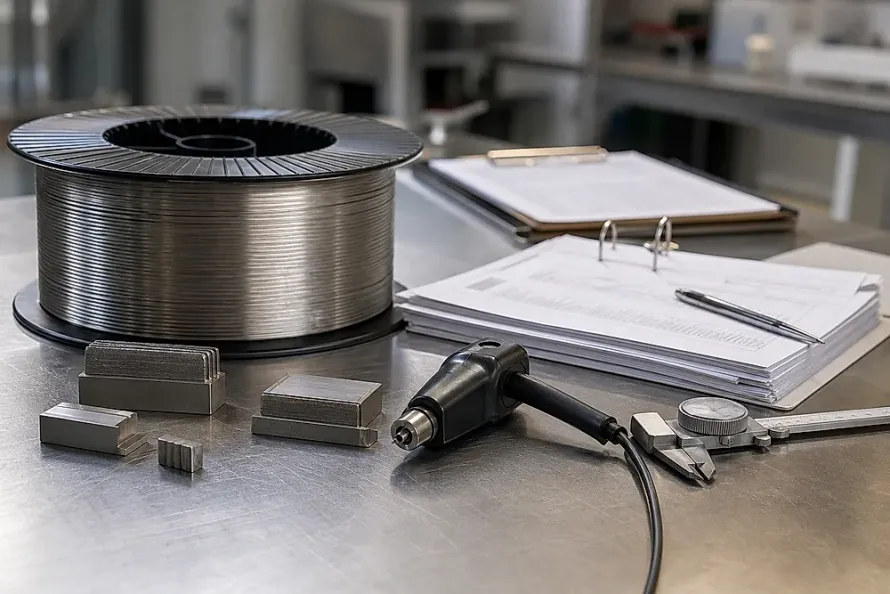
On November 16, 2026, Tekna (headquartered in Sherbrooke, Canada with European advanced materials facilities), a global leader in induction plasma atomized metal powders, formally announced the execution of a multi-year Long-Term Agreement (LTA) with France-based Safran Group. Industrial partnerships continue expanding. Under the terms of the strategic agreement, Tekna will deliver flight-qualified batches of titanium and high-performance aluminum additive manufacturing powders directly to Safran manufacturing centers and tier-one engine machining partners, supporting full-rate production of critical aero-engine modules (including the CFM LEAP program) and flight-weight structural brackets.
The signing of this commercial agreement underscores the rapid acceleration of additive manufacturing into serial airworthiness production across global aerospace original equipment manufacturers (OEMs). Upstream feedstock quality is paramount.
As an integrated titanium supply-chain platform working with certified partner facilities to deliver specialized feedstocks, we examine the upstream metallurgical controls, plasma atomization parameters, and material test certificate (MTC) audit requirements governing flight-certified titanium powders. Stringent standards prevent catastrophic defects.
Feedstock Bar Quality Controls for Aerospace-Grade Plasma Atomization
In metal additive manufacturing techniques such as Laser Powder Bed Fusion (LPBF) and Directed Energy Deposition (DED), raw powder quality directly dictates component density, tensile elongation, and airworthiness certification. Powder consistency governs performance.
Spherical titanium powders are primarily synthesized via Radio-Frequency Plasma Atomization (PA) or the Plasma Rotating Electrode Process (PREP). Neither process can eliminate inherited metallurgical inclusions from dirty feedstock. Clean melting is non-negotiable.
Consequently, aerospace specifications including AMS 4998 and ASTM F3001 enforce strict quality controls on raw titanium feedstock bars:
- Triple Vacuum Arc Remelting (3x VAR): Standard commercial titanium bars undergo double VAR melting. Aerospace additive feedstock mandates triple melting. Triple VAR thermal cycles thoroughly dissolve refractory metal contaminants, eliminating High-Density Inclusions (HDI such as tungsten or molybdenum from welding tools) and Low-Density Inclusions (LDI, nitrogen-rich hard alpha defects).
- Ultra-Low Interstitial Oxygen Baseline: During atomization and subsequent laser processing, molten titanium droplets irreversibly absorb trace oxygen from inert gas lines. Chemical baselines are critical. Feedstock must be melted from premium Grade 0 sponge, locking initial bar oxygen between <= 0.05%–0.08%, ensuring finished print stock satisfies the strict <= 0.13% oxygen limit of Grade 23 (Ti-6Al-4V ELI).
- Precision Bar Rolling and Centerless Grinding Tolerances: Continuous bar feed mechanisms in plasma torches are vulnerable to diameter variations and surface drag. Feedstock bars must undergo precision centerless grinding to h7 or h8 diameter tolerances with surface roughness held to Ra <= 0.8 μm, free of drawing lubricants or graphite residues.
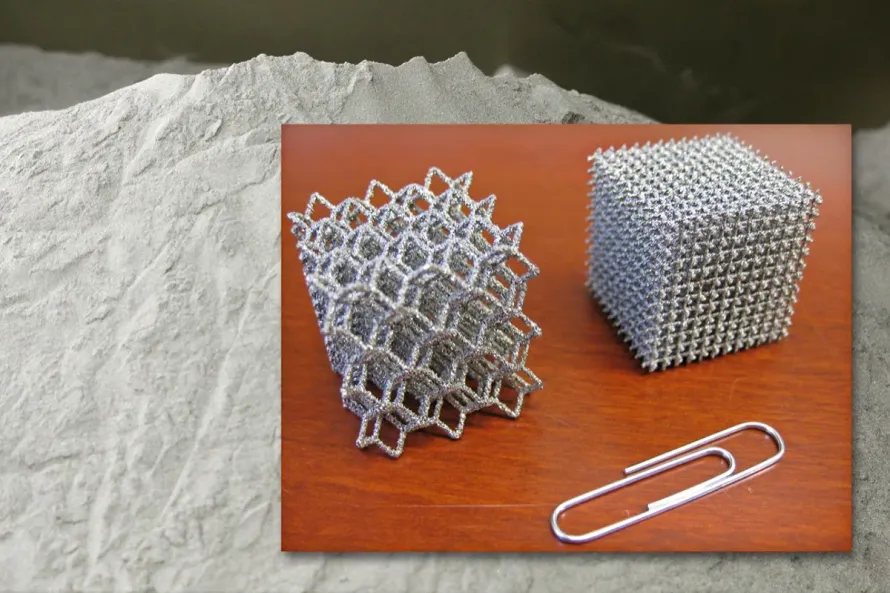
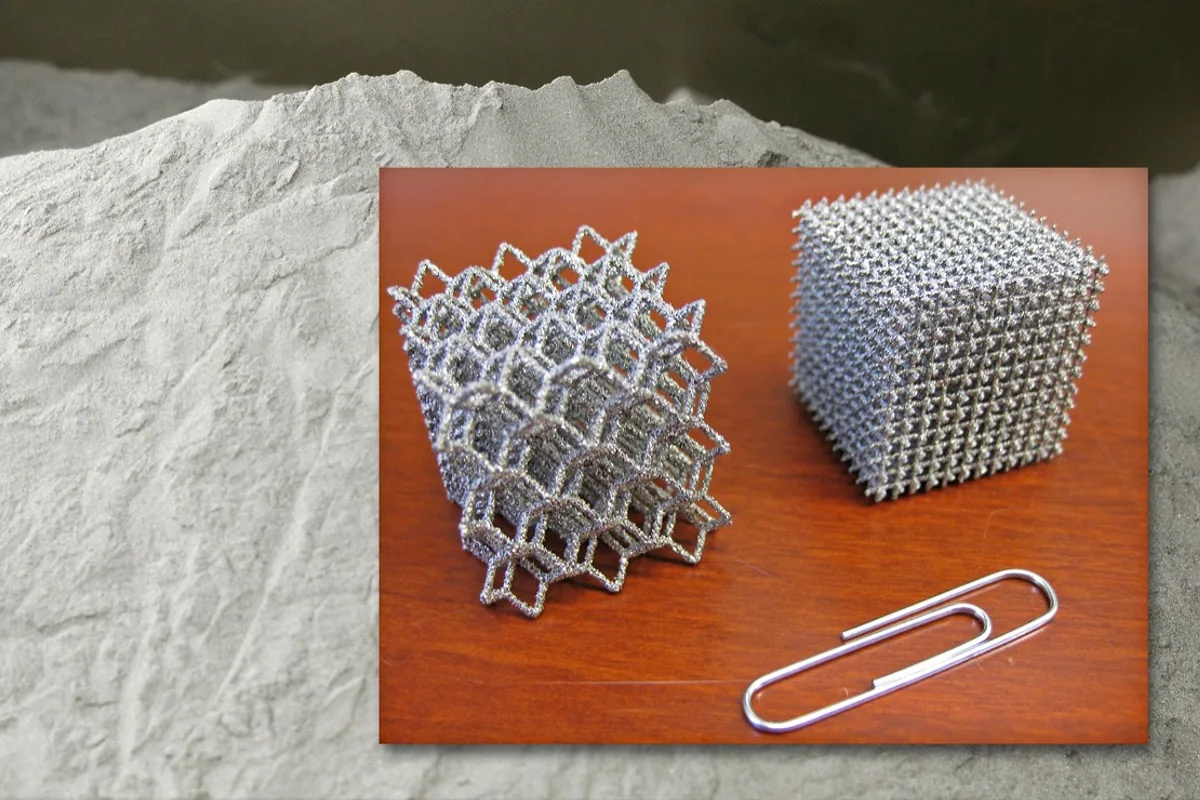 Figure 1: Scanning electron micrograph of plasma-atomized Ti-6Al-4V Grade 23 spherical powder. Achieving >= 95% sphericity with minimal satellite formation ensures frictionless powder recoating during laser melting.
Comparison of Industrial Titanium Powder Atomization Routes
Industrial manufacturers produce spherical titanium powders across three primary technological pathways. Process selection shapes powder morphology. Sourcing managers must match atomization technologies with component geometry, machine build rates, and regulatory certification requirements.
| Atomization Route | Core Mechanism & Input Feedstock | Metallurgical Advantages | Processing Limitations & Buyer Hazards | Prime Industrial Applications |
|---|---|---|---|---|
| Plasma Rotating Electrode (PREP) | High-speed rotating bar melted by transferred plasma arc under helium/argon | Zero ceramic crucible contact, virtually zero hollow spheres or satellites | Fine powder yield is limited (particles < 45 μm usually represent < 30% yield) | Rotating engine discs, orthopedic implants via Electron Beam Melting (EBM) |
| RF Plasma Atomization (PA) | High-temperature induction plasma torch instantly vaporizes and spheroidizes wire/bar | High throughput, sphericity >= 98%, exceptional fine powder fraction and flowability | Requires tight wire-feed stabilization to prevent un-melted core particles | Complex conformal-cooling heat exchangers, fuel nozzles via LPBF |
| Electrode Induction Gas Atomization (EIGA) | High-pressure argon gas atomizes free-falling stream from induction-melted bar | Cost-effective fine powder yields, wide alloy compatibility | High-velocity argon gas can entrap micro-voids inside droplets (Argon Gas Entrapment) | Unmanned aerial vehicles, industrial structural brackets via LPBF and DED |
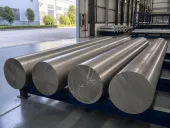
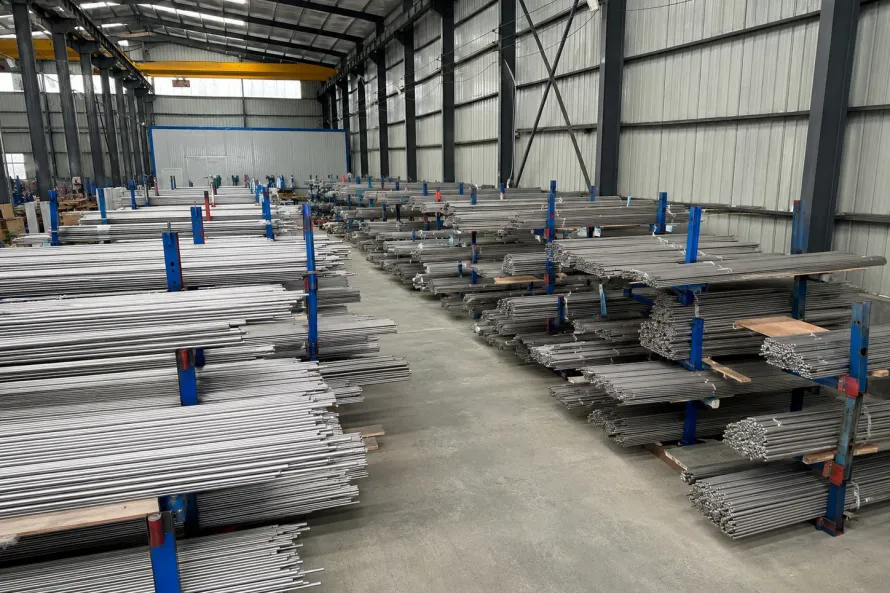
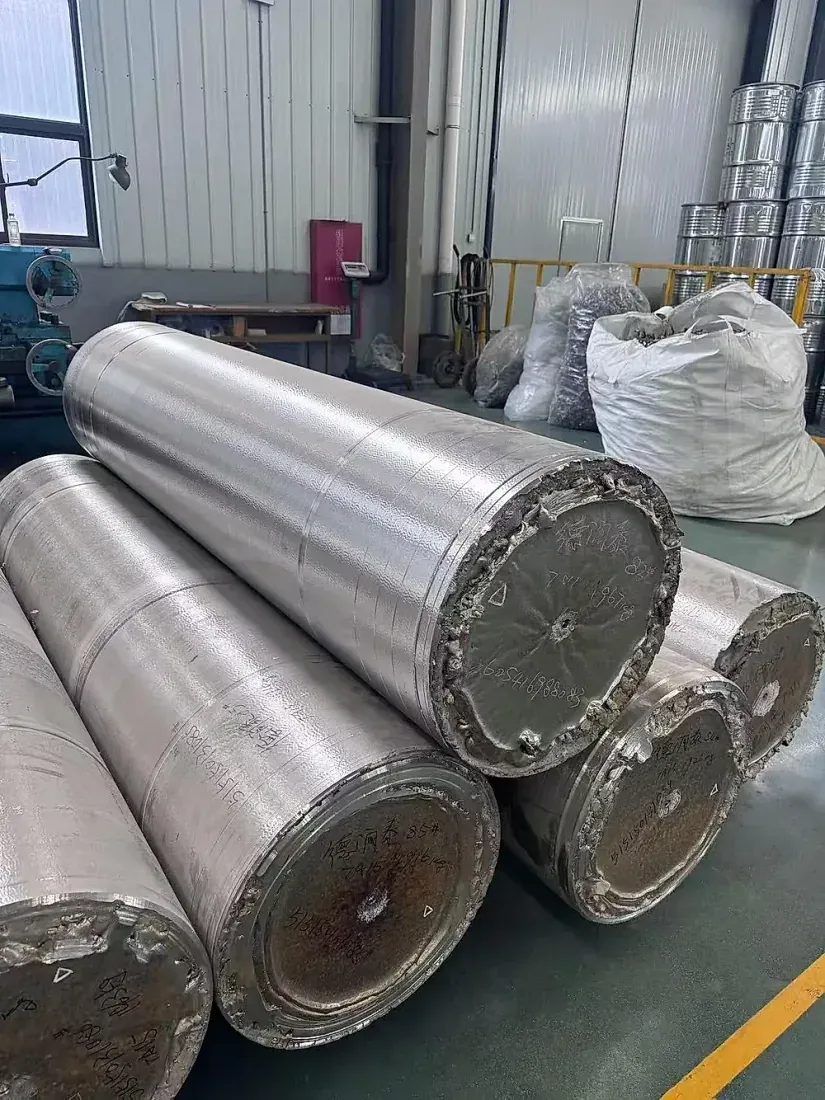 Figure 2: Precision-ground triple-melted (3x VAR) titanium feedstock bars undergo 100% ultrasonic immersion inspection and heat-number stamping before atomization campaigns.
Procurement Audit: MTC Verification and Powder Acceptance
For procurement engineers and quality assurance auditors in aerospace and medical manufacturing, incoming material verification extends far beyond inspecting canister labels. Rigorous testing is mandatory.
When auditing the supplier’s Material Test Certificate (MTC), quality teams must verify complete traceability across the manufacturing pedigree:
- Complete Heat and Lot Number Traceability: The MTC must document the full traceable pedigree starting from the raw sponge batch, primary ingot melting log, forging billet reduction, through to the final atomization sieving lot. Traceability prevents counterfeit stock.
- Interstitial Gas Chemical Re-testing: Audits must verify interstitial elements measured via inert gas fusion infrared absorption, confirming oxygen (O <= 0.13%), nitrogen (N <= 0.03%), and hydrogen (H <= 0.012%). Interstitial control preserves ductility.
- Hall Funnel Flowability and Apparent Density: Conforming to ASTM B213, powder flow time through a calibrated Hall flowmeter funnel must register <= 25 s/50g, with tap density exceeding 60% of theoretical density to guarantee defect-free recoating across 40 to 80 hours of continuous machine exposure. Reliable flow ensures build success.
Upstream Feedstock Supply and Technical Support for Additive Manufacturing
The multi-year agreement between Tekna and Safran illustrates the aerospace industry’s profound reliance on qualified, stable metal feedstock supply chains. Global demand continues growing.
As an integrated titanium supply-chain platform collaborating with certified partner facilities, we deliver high-purity titanium feedstocks to research labs, additive manufacturing centers, and precision machining facilities worldwide. Comprehensive inventories ensure availability.
- We supply triple-melted (3x VAR) spherical AM powder feedstock bars and wires with full compositional homogeneity;
- We maintain stock of Grade 5 (Ti-6Al-4V) and low-oxygen Grade 23 materials;
- Every delivery is accompanied by fully traceable Material Test Certificates (MTC) and ultrasonic inspection records.
Visit our online RFQ submission portal to share your feedstock chemistry and dimensional requirements. Experienced metallurgical engineers respond promptly. Sourcing teams can also explore our certified partner facility manufacturing and inspection capabilities.