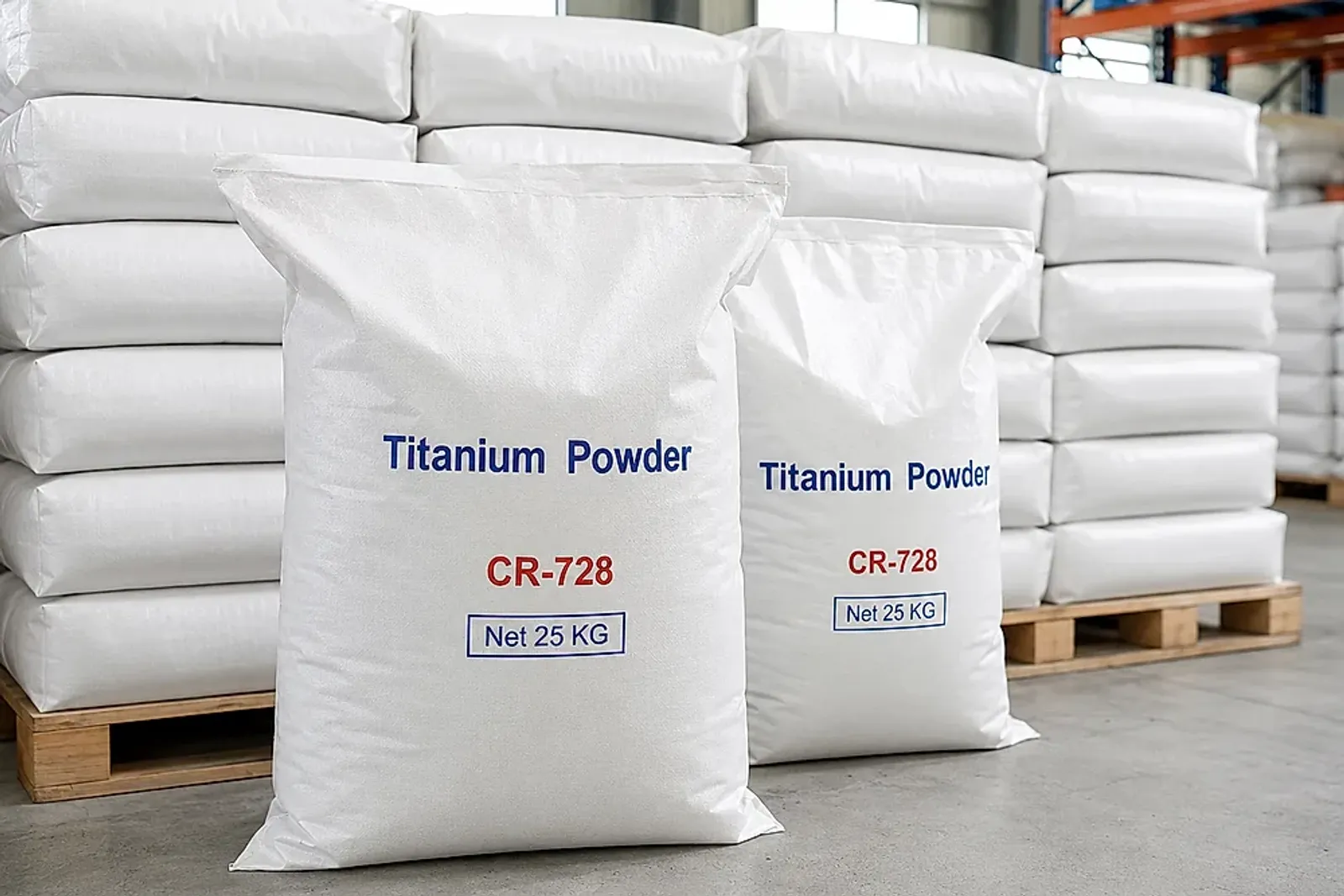
Critical mineral supply chains are realigning rapidly. In November 2026, Nasdaq-listed Critical Metals Corp. finalized its operational integration of Ukrainian titanium producer Velta, releasing strategic investment plans for defense and commercial aerospace markets.
The transaction drew immediate industry attention. Velta operates the established Byrzulivske ilmenite mining complex in central Ukraine and holds proprietary low-temperature gas-solid extraction technology. This approach aims to bypass power-heavy Kroll sponge reduction by converting ilmenite ore into low-carbon, high-purity titanium powder precursors. Western capital aims to establish this Ukrainian asset as a friend-shored alternative to traditional Eastern European supplies.
Capital mergers do not equal qualified material. Aerospace, defense, and industrial additive manufacturing (AM) buyers must separate corporate press releases from actual receiving-dock release conditions. Transitioning from pilot-scale extraction to airframe structural qualification involves years of airworthiness verification and extensive metallurgical data-package audits.
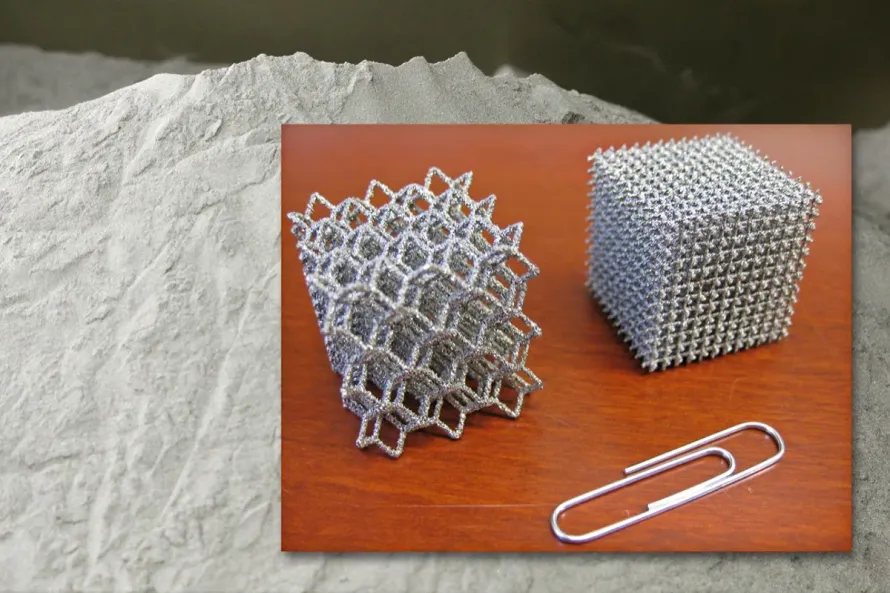
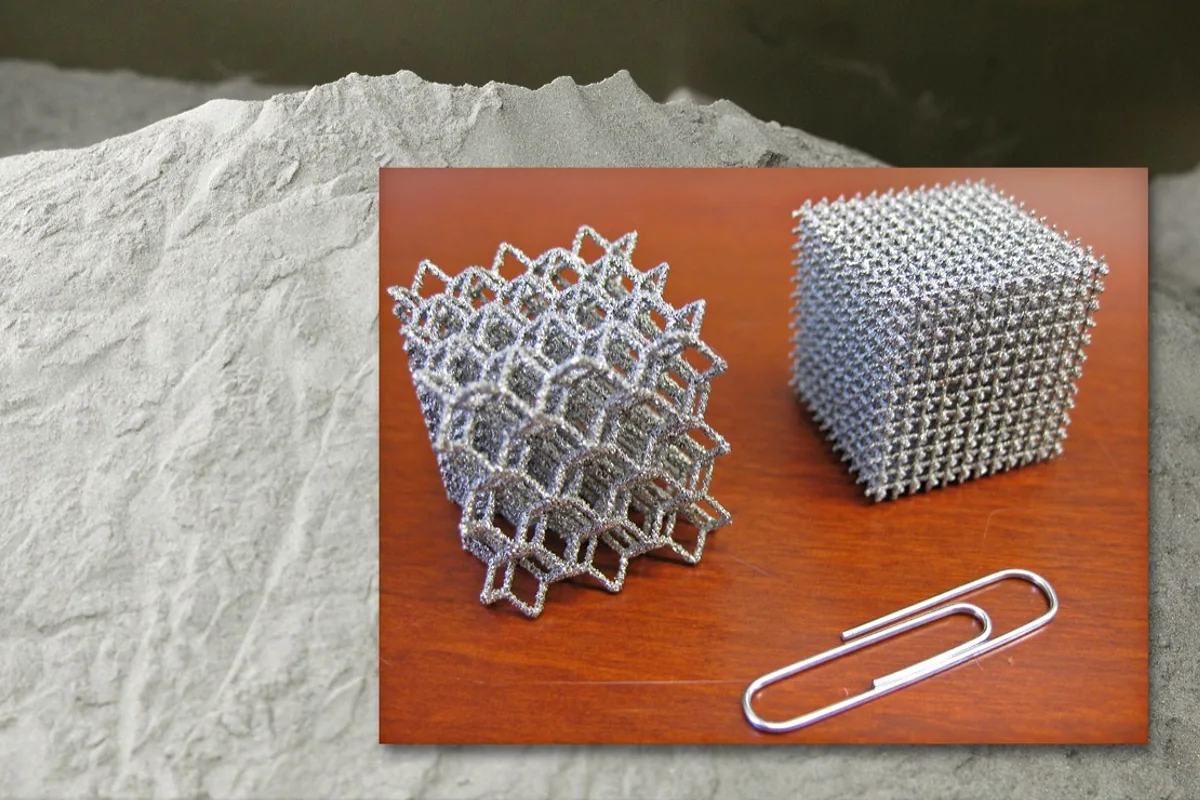 Figure 1: Gas-atomized Ti-6Al-4V spherical titanium powder for laser powder bed fusion (L-PBF) and directed energy deposition (DED) requires exceptional sphericity and low interstitial oxygen.
1. Western Aerospace Titanium De-Risking Rebalances Accelerating
Geopolitical shifts remain intense. Global aerospace primes continue diversifying away from traditional Russian titanium sources. While Boeing, Airbus, and Rolls-Royce curtailed direct bulk contracts, aerospace-grade sponge capacity and heavy forging throughput across Western mills face multi-year ramp-up bottlenecks.
Security concerns drive procurement decisions. Critical Metals integrating Velta carries strategic significance for European defense logistics. Ukraine hosts substantial ilmenite deposits, and Velta maintains a mining infrastructure capable of processing hundreds of thousands of tonnes of ilmenite concentrate annually. If its closed-loop low-temperature process proves stable at multi-thousand-tonne scale, it could supply commercial powder at lower costs than conventional sponge routes.
Market optimism is expanding. However, this development will not instantly alter near-term aerospace supply realities. The cost and reliability of additive manufacturing powder depend heavily on post-reduction gas atomization, plasma rotating electrode atomization (PREP), sphericity, satellite removal, and interstitial gas control.
2. From Ilmenite to Airframe Release: Three Essential Qualification Hurdles
Aviation qualification is uncompromising. Aerospace procurement operates under strict frozen-process requirements. Any newly developed powder precursor destined for flight-critical airframes must cross three major engineering barriers:
Interstitial elements require strict control. Commercial additive manufacturing, particularly Ti-6Al-4V (Grade 5) and ASTM F136/AMS 4930 (Grade 23 ELI), is exceptionally sensitive to interstitial oxygen. AMS specifications restrict ELI powder oxygen to O <= 0.13%, while critical defense components often mandate O <= 0.08%. Direct chemical reduction powders frequently trap trace chlorine (Cl) and volatile residues. During laser or electron-beam melting, residual chlorine vaporizes rapidly, generating micro-porosity that degrades high-cycle fatigue life.
Qualification requires years. Corporate mergers close within weeks, but aviation material qualification spans years. Engine primes and airframers enforce AS9100 quality systems, Nadcap additive manufacturing audits (AC7131), statistical process capability studies (SPC), and thousands of S-N fatigue test coupons. This verification path spans 18 to 36 months. Before airworthiness authorities clear new batches, output remains restricted to consumer electronics or non-critical industrial wear parts.
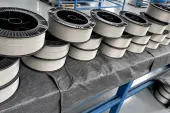
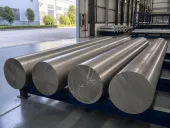
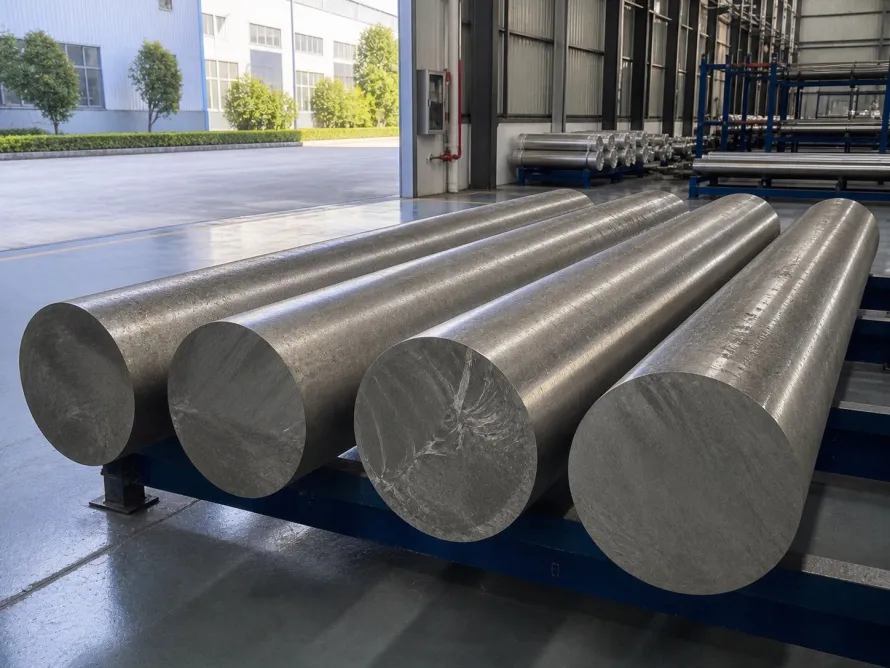
Feedstock bars maintain dominance. Compared with emerging pilot direct-reduction powders, flight-proven additive manufacturing continues to rely on mature wrought bar and wire feedstocks. Certified partner facilities supply wire arc additive manufacturing (WAAM) and directed energy deposition (DED) with clean drawn, eddy-current tested, and vacuum-annealed titanium wire from 0.8 mm to 3.2 mm. For electrode induction melting gas atomization (EIGA) and plasma rotating electrode atomization (PREP), operations depend on specialized additive manufacturing feedstock bars. These bars mandate triple vacuum arc remelting (3x VAR), locking oxygen within tight limits and eliminating high-density inclusions (HDI) or hard alpha defects.
Aerospace Titanium AM Feedstock Release Comparison:
Emerging Precursor Route: Ilmenite → Low-Temp Chemical Conversion → Primary Powder → Dechlorination/Secondary Refining → Multi-Year Qualification
Mature Industrial Release Route: Grade 0 Sponge → 3x VAR Remelting → Certified Feedstock Bar/Wire → EIGA/PREP Atomization → Lot-Specific MTC Release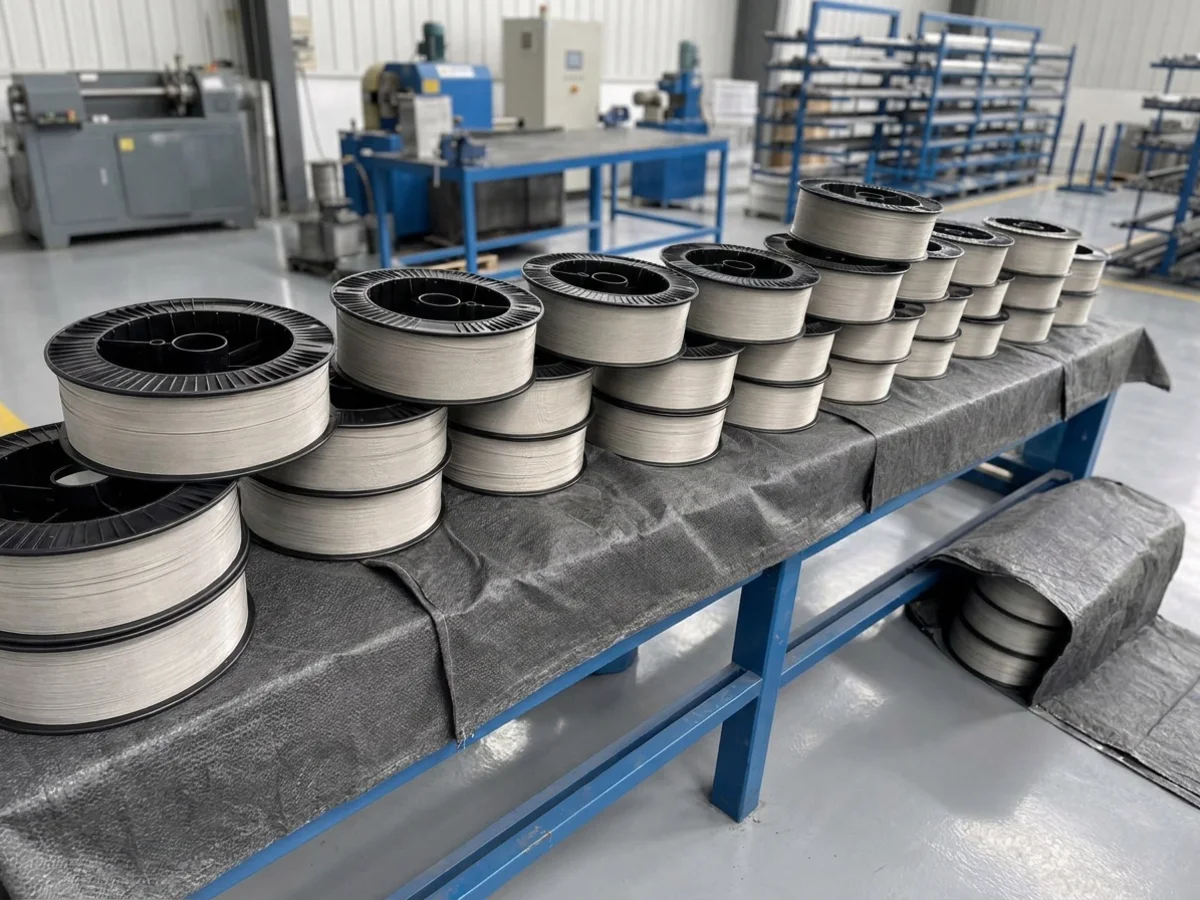 Figure 2: Laser-additive structural Ti-6Al-4V bracket engineered for aerospace weight reduction, relying on defect-free remelted bar stock precursors.
3. Direct-Reduction Powder versus Traditional 3x VAR Feedstock Bar
Differences are clear across technical specifications. The table below contrasts the developmental direct-reduction titanium powder route with commercial 3x VAR remelted atomization bar and wire:
| Evaluation Dimension | Critical Metals / Velta Direct Precursor Route | Mainstream 3x VAR Remelted AM Bar & Wire Route | Procurement & QA Decision Criteria |
|---|---|---|---|
| Primary Process Route | Closed-loop low-temperature chemical conversion of ilmenite | Grade 0 sponge + master alloys remelted via 3x VAR, precision finished | New route cuts remelt energy; traditional route eliminates volatile impurities |
| Typical Oxygen Control | Pilot output fluctuates, typically 0.15%–0.25% range | Strictly maintained at O ≤ 0.08%–0.11% (Grade 23 ELI window) | Aerospace structural parts reject high oxygen to avoid room-temperature embrittlement |
| Critical Trace Impurities | Residual chlorine (Cl), iron (Fe), unreacted intermediates | Hydrogen (H ≤ 0.003%), carbon (C ≤ 0.02%), zero volatile chlorides | Laser melting demands zero chlorine to prevent weld spatter and micro-gas pores |
| Aviation Approvals | Currently in pilot sampling phase, pending prime qualification | Backed by Nadcap, AS9100, and long-term flight-proven flight certifications | Critical structural buyers cannot substitute unapproved lots ahead of frozen process audits |
| Target Application Scope | Non-structural industrial components, thermal spray, press-sinter | Commercial airframe fittings, rotating turbine cases, surgical implants | Downstream failure risk rests with the buyer, requiring disciplined qualification gates |
Balanced evaluation is necessary. While direct reduction explores lower-carbon extraction, near-term project delivery demands reliance on proven melting and rolling supply chains.
4. Strategic Checklist for Additive Manufacturing Titanium Buyers
Quality discipline protects delivery. For engineering and procurement teams evaluating additive prototyping or managing lead-time risks, practical guidelines include:
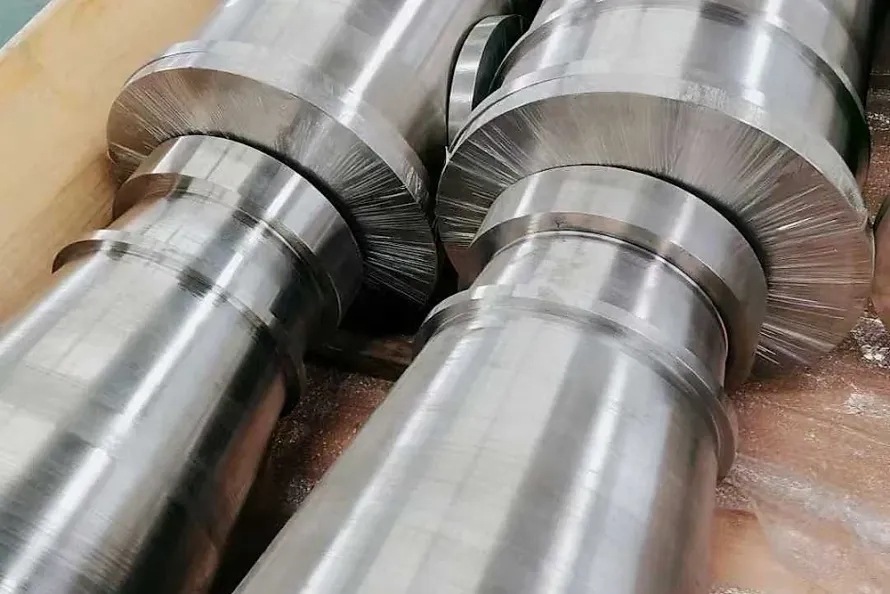
First, maintain end-to-end heat and lot number traceability. Whether sourcing titanium print wire, atomization feedstock bars, or forged billets, every shipment must carry an authentic material test certificate (MTC). Documentation must record sponge origin, full-element chemistry, and mechanical tensile testing. Second, distinguish between precursor news announcements and verified warehouse stock. Capital expansion headlines do not equal inspected inventory ready for export dispatch. Production schedules must anchor on suppliers supported by certified partner facilities maintaining stable melt cycles. Third, implement tiered alloy substitution testing. For non-load-bearing prototypes or wear coatings, technical teams can evaluate novel low-cost powders. However, for pressure-retaining vessels or critical structural hardware, engineering baselines must remain unchanged. Buyers can inspect certified partner facility production equipment to verify vacuum melting and drawing capabilities.
If your technical group is selecting titanium grades for additive manufacturing, machining, or marine systems, explore our engineering calculation tools or submit specifications for a complimentary drawing review and quotation.
Related Products & Services
- Spherical Powder Feedstock Titanium Bars & Low-Oxygen Wire
- Grade 5 (Ti-6Al-4V) Aerospace Titanium Alloy
- Certified Partner Facility Quality & Equipment
- Engineering Metal Weight Calculation Tools
- Complimentary Pre-RFQ Specification Review
Sources
- Critical Metals Corp. (Nasdaq: CRML) Corporate & Operational Updates on Velta Titanium Integration, November 2026.
- Velta Titanium Processing Technologies and Byrzulivske Ilmenite Resource Reports.
- AMS 4928 / AMS 4930 / ASTM F136 Specifications for Additive Manufacturing Titanium Feedstock.
- Certified partner facility 3x VAR melting, precision drawing, and ultrasonic inspection production records.