Industrial metal additive manufacturing has marked a transformative capital milestone. Born out of research at the Massachusetts Institute of Technology (MIT), industrial metal 3D printing pioneer VulcanForms has finalized a landmark $500 million ($500M) debt financing round. The industrial landscape shifts rapidly. The financing package was co-led by J.P. Morgan’s Security and Resiliency Initiative alongside alternative investment funds managed by Apollo.
The capital will fund the construction of three new advanced digital manufacturing superfactories. Production capacity expands dramatically. This round elevates VulcanForms’ total cumulative funding beyond $1 billion ($1B). Combining proprietary hundred-kilowatt-class laser powder bed fusion (LPBF), precision five-axis CNC machining, automated post-processing, and physical AI, VulcanForms integrates into tier-one aerospace and defense supply chains for Boeing, Airbus, and Pentagon programs.
1. From Prototype Validation to High-Rate Series Delivery: Industrial Strategic Drivers
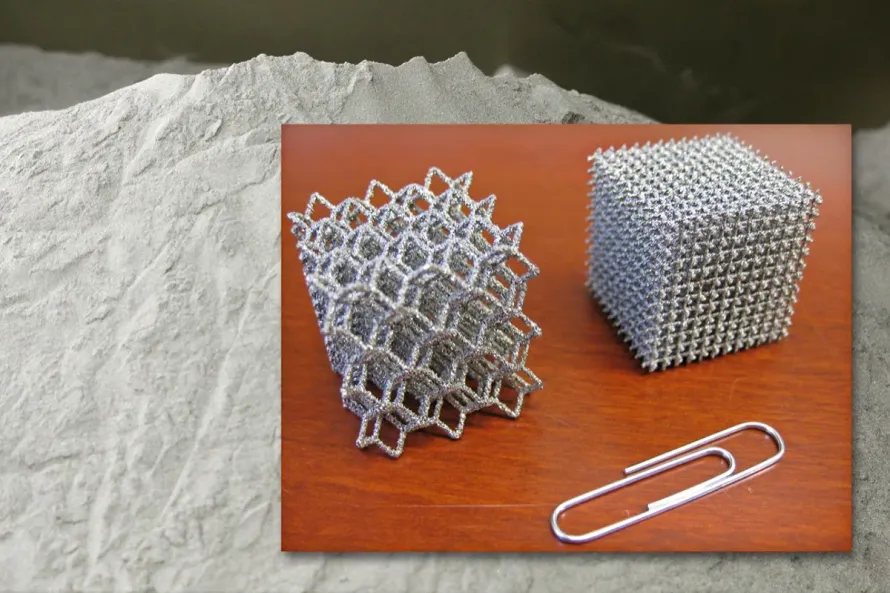
For years, metal additive manufacturing remained confined to engineering prototyping, complex lattice research, or small-batch runs. High-rate delivery remained elusive. Major aerospace original equipment manufacturers (OEMs) have faced heavy delivery bottlenecks at heavy hydraulic forging presses, exacerbated by buy-to-fly ratios where 85% to 90% of raw stock is converted into scrap chips.
By deploying multi-hundred-kilowatt laser arrays, VulcanForms achieves metal deposition rates multiple times faster than standard commercial four-laser or eight-laser LPBF systems. Throughput scales decisively. The $500 million investment executes three industrial strategies:
- Mitigating Fragmented Supply Chain Dependencies: In defense aerospace, domestic delivery autonomy for high-strength, lightweight hardware has become paramount. Resilient domestic manufacturing is essential. Constructing new superfactories inside American industrial manufacturing corridors compresses lead times between raw alloy powder and certified flight hardware;
- Integrating Additive, HIP, and Finish Machining in a Single Platform: Traditionally, additively printed blanks require transport to external vendors for hot isostatic pressing (HIP), deep-hole drilling, and CNC machining. Multi-site logistics introduce major lead-time friction. The new facilities consolidate near-net-shape additive printing and five-axis CNC finishing under unified digital quality assurance;
- Scaling Structural Aerospace Titanium and Nickel Alloys: Expansion capacity focuses on Grade 5 (Ti-6Al-4V) and Grade 23 (Ti-6Al-4V ELI) components, including thin-wall aero-engine casings, structural airframe lugs, and rocket engine thrust chambers.
2. Upstream Feedstock Specifications: Ultra-Low Oxygen Titanium Bars and Wire for Atomization
Scaling metal additive superfactories imposes uncompromising demands on upstream melting and bar manufacturing. Raw material purity governs final integrity. If atomization feed bars harbor trace high-density inclusions (HDI) or micro-porosity, these flaws carry through gas atomization (GA) or plasma rotating electrode processing (PREP) into the powder bed, forming fatigue nucleation sites in finished flight structures.
At certified partner facilities, specialty titanium melting operations enforce rigorous manufacturing parameters for aerospace and surgical 3D printing feedstocks. Technical standards are demanding.
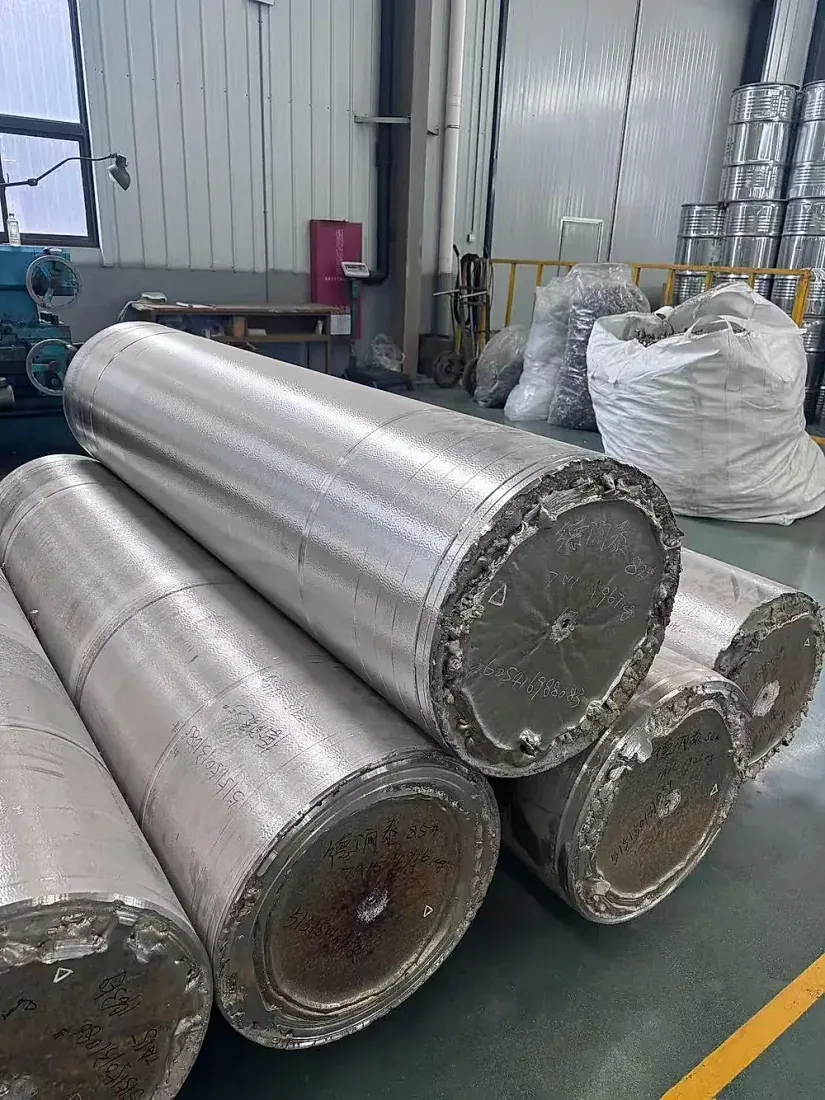
2.1 Triple Vacuum Arc Remelting (3x VAR) for Cleanliness
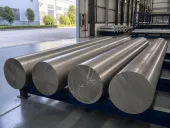
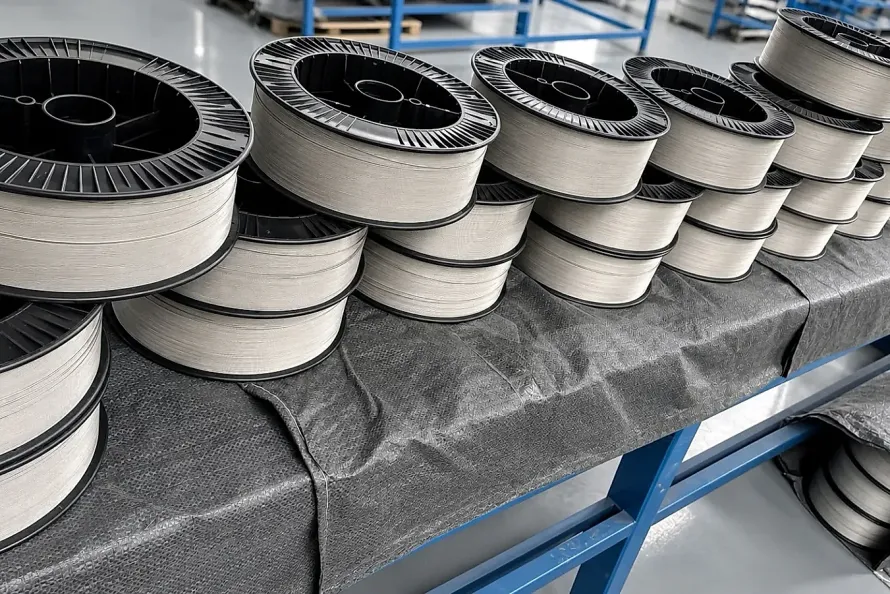
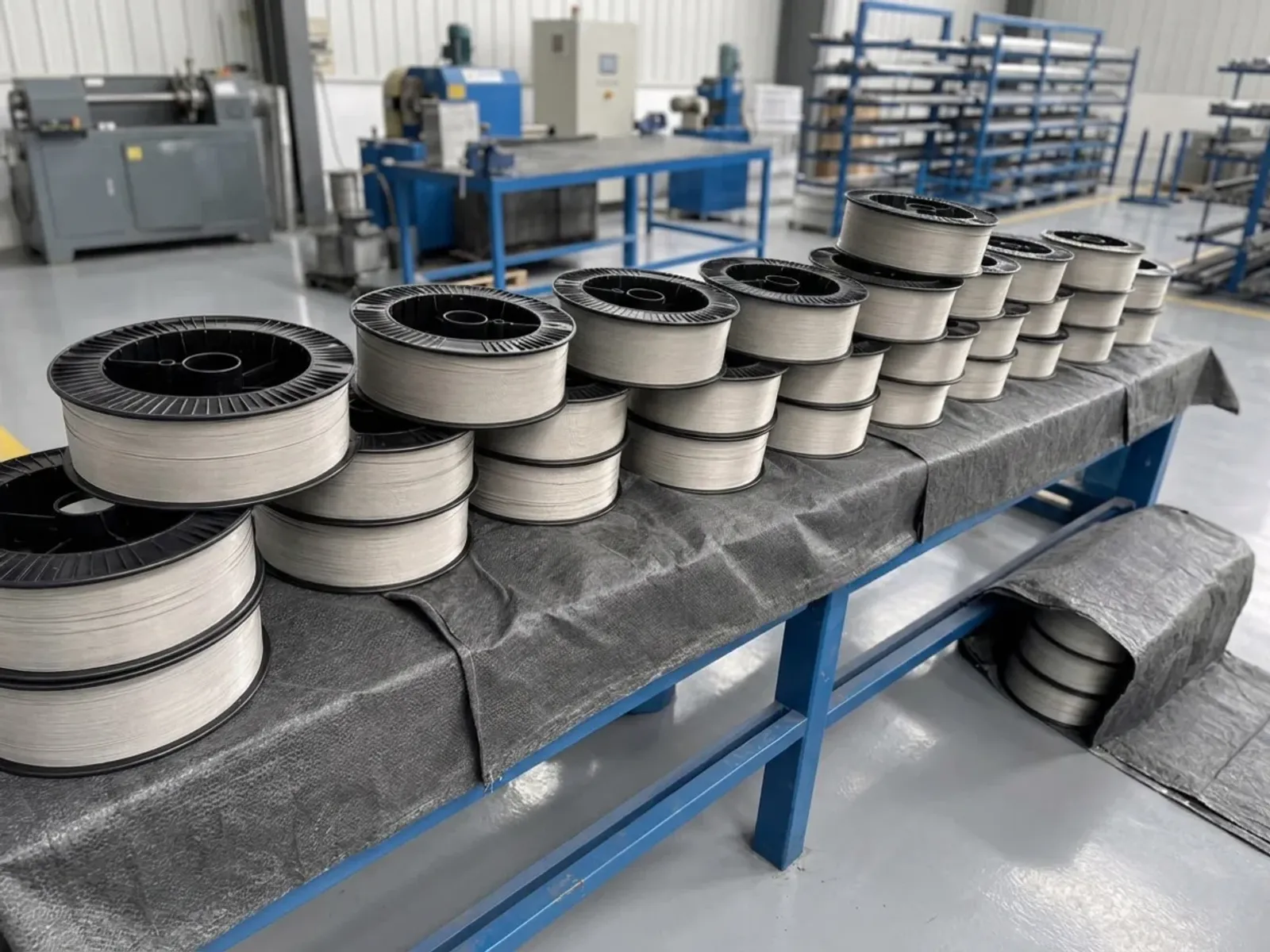
Production shop floor records demonstrate that raw Ti-6Al-4V AM feedstock bars and wire coils undergo triple vacuum arc remelting (3x VAR). Interstitial control is absolute. Three successive melting cycles under high vacuum suppress gas interstitials to ultra-low levels:
- Oxygen (O): Capped at <= 0.05% (500 ppm), leaving essential safety margin for slight oxygen pick-up during high-energy laser melting;
- Nitrogen (N): Held strictly below <= 0.01% (100 ppm);
- Hydrogen (H): Controlled below <= 0.005% (50 ppm), eradicating hard titanium nitride (TiN) and carbide inclusions.
2.2 h7 Diameter Tolerances and Mirror Centerless Grinding
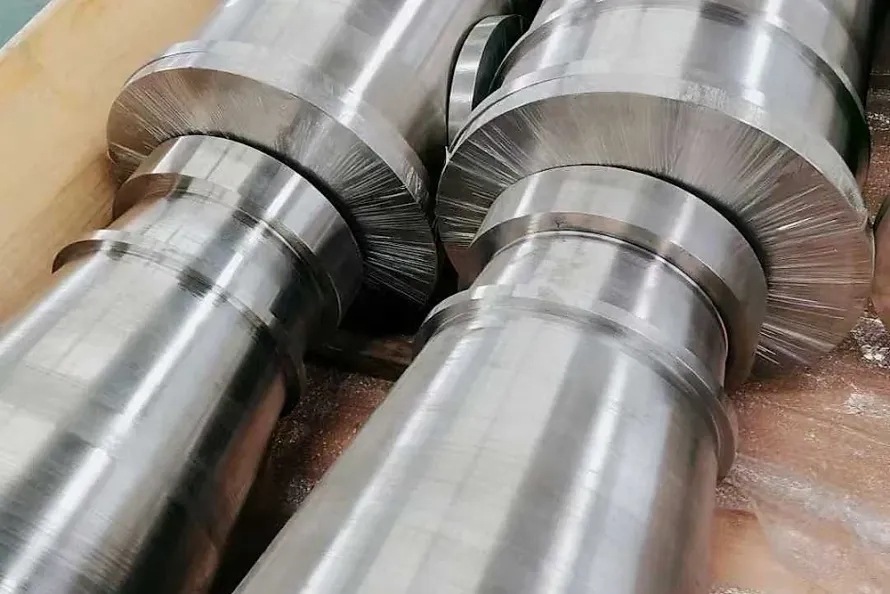
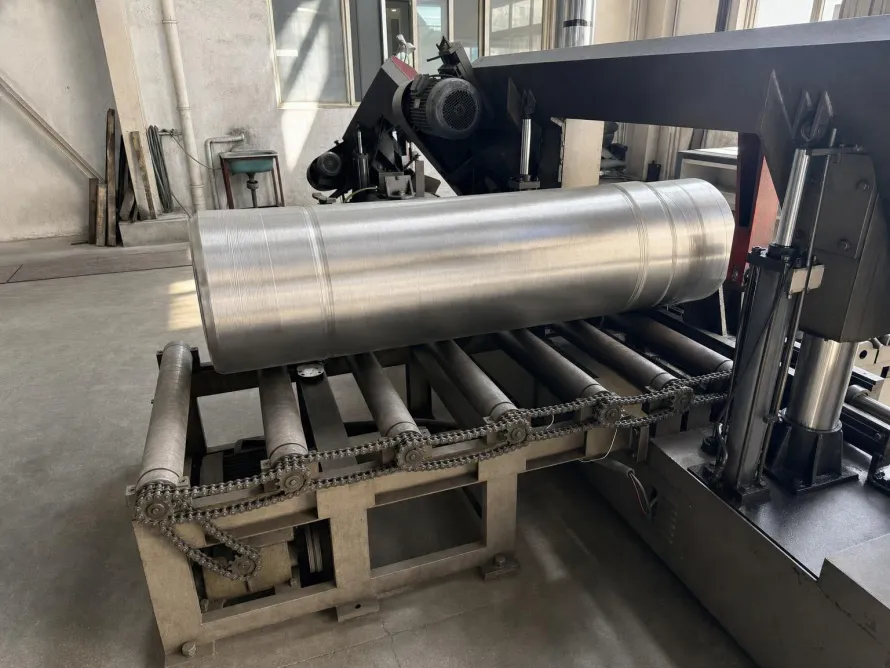
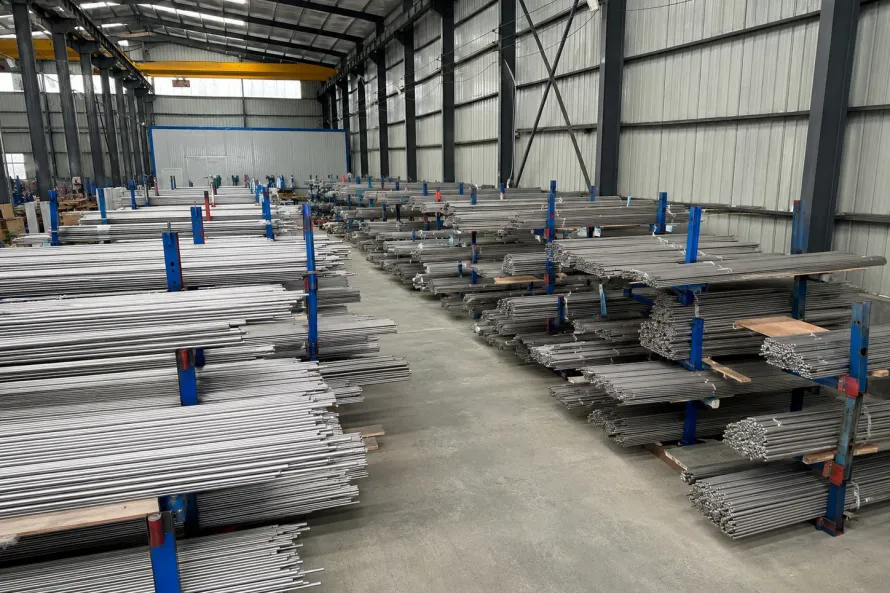
Plasma rotating electrode process (PREP) atomizers spin feedstock bars at 15,000 rpm to 30,000 rpm. Rotational dynamics require perfection. Any eccentricity or diameter variation induces spindle vibration and erratic droplet atomization. Partner facilities utilize precision centerless grinding and peeling to hold bar diameter tolerances within h7 to h8, straightness better than 0.5 mm/m, and surface finish Ra <= 0.8 μm.
3. Structural Aerospace Titanium: Additive vs Forging vs Plate Machining
When evaluating large flight components, engineering teams weigh trade-offs across material yield, tooling investments, and production lead times. Comparison clarifies structural trade-offs.
| Manufacturing Route | Industrial Laser Additive (VulcanForms LPBF) | Heavy Die & Open-Die Forgings (ASTM B381) | Monolithic Heavy Plate CNC Milling (ASTM B265) |
|---|---|---|---|
| Material Utilization (Yield) | Extremely high (Raw material yield reaches 70% to 85%) | Moderate (Buy-to-fly ratios typically 4:1 to 8:1) | Extremely low (Subtractive hog-outs reach 10:1 to 15:1) |
| Tooling & Setup Lead Time | Zero tooling, directly driven by digital CAD geometry | Requires custom forging dies; lead time 3 to 6 months | Zero tooling, but expends costly carbide milling cutters |
| Internal Density & Flaws | Requires 100% HIP hot isostatic pressing to close pores | High forge reduction ratio yields dense structure | Homogeneous microstructure from hot-rolled plate |
| Fatigue & Mechanical Properties | Post-HIP heat-treated parts match annealed forgings | Continuous circumferential grain flow yields peak fatigue | Slight anisotropy between longitudinal and transverse axes |
| Upstream Feedstock Dependency | Ultra-pure 3x VAR feedstock bars, spherical powder | Multiple-VAR heavy forging rounds or billets | Continuous-rolled and pack-rolled annealed plate |
| Economic Sweet Spot | Optimal for topology-optimized and fluid-channel parts | Most cost-effective for large lot runs (>100 parts) | Ideal for rapid emergency turnaround of simple shapes |
4. Quality Verification: Non-Destructive Testing and MTC Audits for AM Hardware
As additively manufactured titanium flight structures transition into airworthiness certification, buyers must enforce rigorous non-destructive evaluation (NDE) and Material Test Certificate (MTC) audits. Rigorous inspection avoids failures.
4.1 Industrial Computed Tomography (CT) and Radiography
For components engineered with internal conformal fluid passages, conventional ultrasonic contact probes encounter acoustic reflection blind spots. Standard NDT exhibits limitations. Procurement specifications should mandate 100% industrial computed tomography (CT) or high-resolution digital radiography conforming to ASTM E1742 or ASTM E2973 with resolution <= 50 μm, verifying complete removal of un-melted powder.
4.2 Witness Test Coupons and Mechanical Tensile Tracking
On every build plate, suppliers must locate witness test coupons at the periphery and center. Test coupons provide authentic evidence. Coupons undergo the identical thermal history, including HIP and stress-relief cycles. Certified mill test certificates (MTC) must document room-temperature yield strength ($R_{p0.2} \ge 830\text{ MPa}$), ultimate tensile strength ($R_m \ge 900\text{ MPa}$), and elongation ($A \ge 10%$).
5. Feedstock Supply and Technical Support for Additive Manufacturing
Scaling additive manufacturing superfactories challenges upstream melting and bar rolling capacity worldwide. Reliable supply networks are critical.
As an integrated titanium supply-chain platform working with certified partner facilities, we deliver high-purity titanium feedstocks to additive manufacturers, research labs, and aerospace machining centers. Material excellence is our focus.
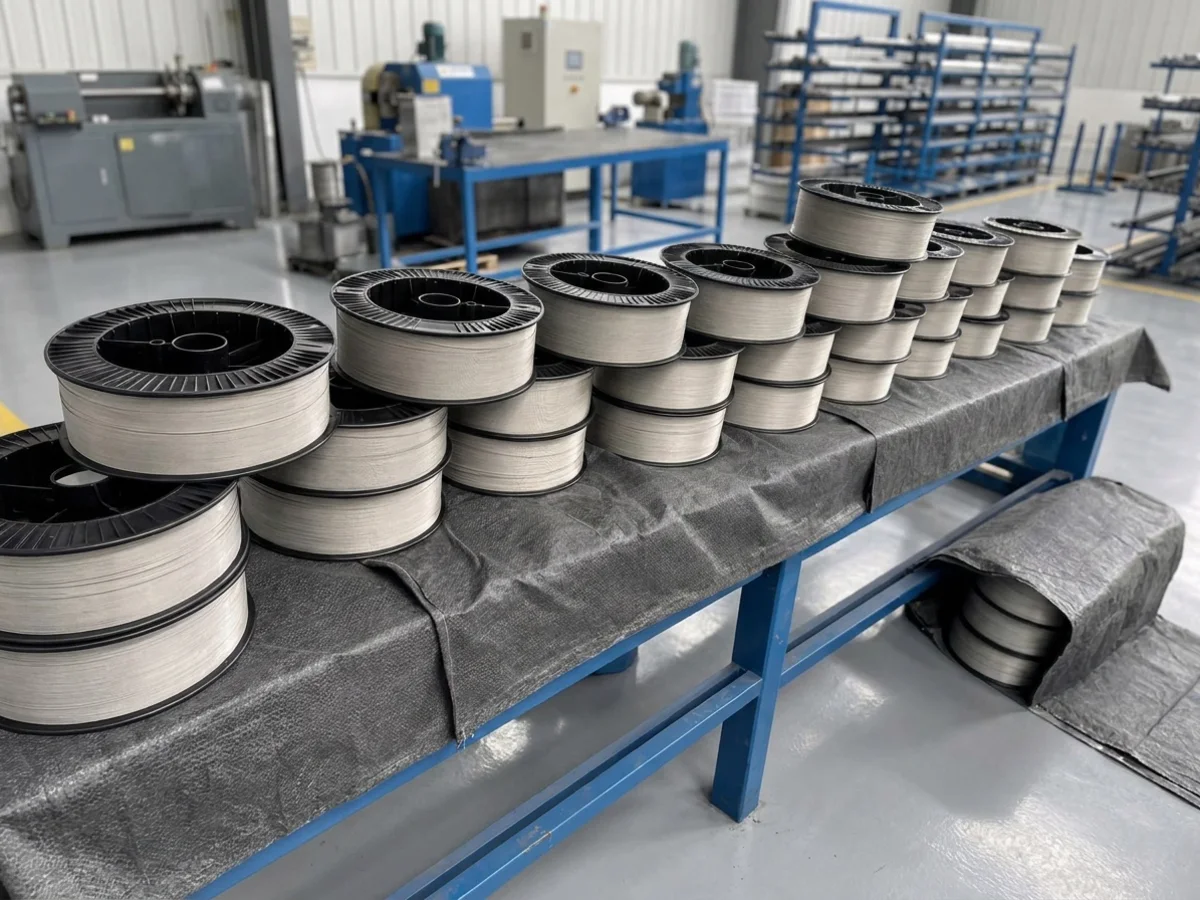
- We supply triple-melted (3x VAR) Ti-6Al-4V feedstock bars and precision wire coils engineered for spherical powder atomization;
- We maintain ultra-low oxygen chemistry (<= 0.05%) to support Small-Batch & Prototype Orders with rapid turnaround;
- We deliver every heat with fully traceable Material Test Certificates (MTC) and ultrasonic inspection documentation.
Visit /get-quote/ to submit feedstock specifications or powder chemistry requirements for review. Reliable engineering support awaits. Sourcing coordinators can calculate theoretical alloy requirements using /tools/ or explore our certified partner facilities on /factory/.
Related Products & Services
- Spherical AM Powder Feedstock Titanium Bars & Wires
- Titanium Rods & Aerospace Forging Billets
- Certified Partner Melting & Quality Laboratories
- Complimentary Pre-RFQ Material Specification Audit
Reference Standards & Technical Sources
- TCT Magazine - VulcanForms raises $500m to accelerate manufacturing expansion (November 13, 2026).
- ASTM F2924 - Standard Specification for Additive Manufacturing Titanium-6 Aluminum-4V with Powder Bed Fusion (ASTM International).
- ASTM F3001 - Standard Specification for Additive Manufacturing Titanium-6 Aluminum-4V ELI (Extra Low Interstitial) with Powder Bed Fusion.
- ISO/ASTM 52900 - Additive manufacturing - General principles - Fundamentals and vocabulary.
- High-purity 3x VAR titanium ingot melting logs and PREP feedstock dimensional records from certified partner facilities (2026).